
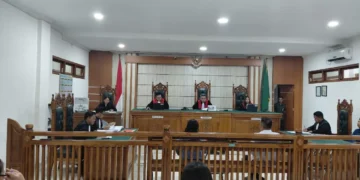




















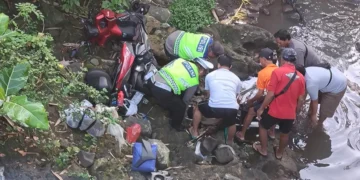





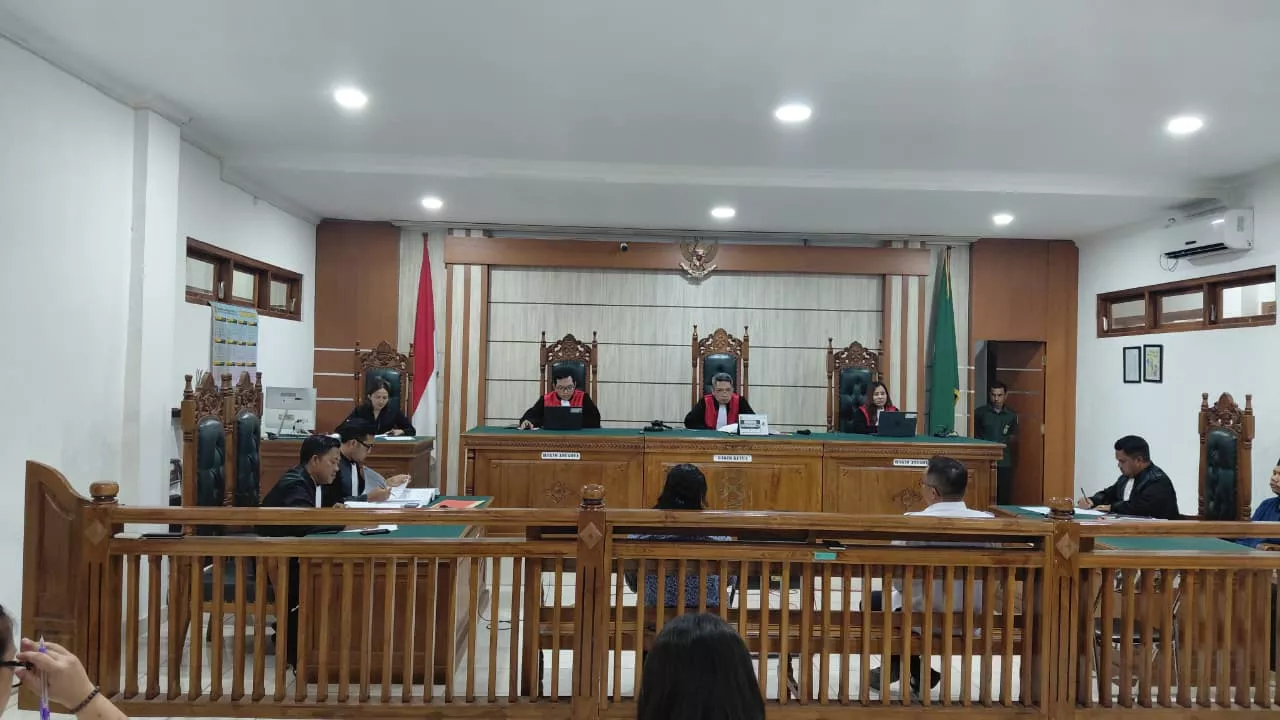
LABUAN BAJO, Indonesia —As the trial into the sinking of the KM Putri Sakinah continues, a clearer picture is beginning to emerge—not only of what happened that night, but of the system that allowed it to happen.
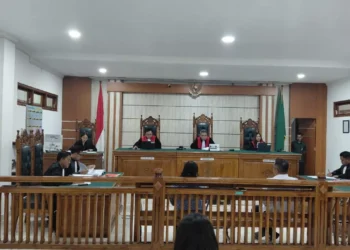
In a recent court session at the Labuan Bajo District Court, testimony from maritime authorities and weather officials introduced a series of uncomfortable questions. Together, they pointed to a troubling intersection of procedural gaps, environmental risks, and decisions made under pressure.
A Vessel Swap Before Departure
One of the most significant revelations came from the head of the Labuan Bajo Port Authority (KSOP), Stephanus Risdiyanto.
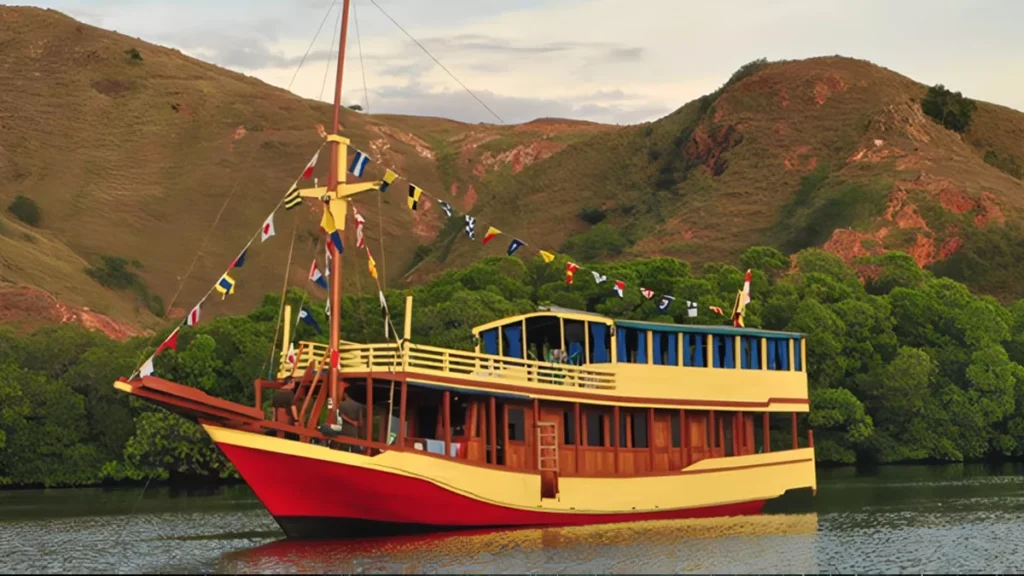
He told the court that the vessel originally booked by the victims—named Liberty—had not been granted permission to sail. Instead, it was replaced by KM Putri Sakinah, a vessel that did hold the required sailing clearance.
On paper, the replacement appeared compliant.
According to the KSOP, a vessel is deemed seaworthy based on documentation: certification of the ship, crew credentials, and administrative clearance. These are issued based on data provided, primarily by the captain.
The system, however, is not without limitations.
While authorities retain the right to inspect a vessel if concerns arise, such inspections are not always mandatory. In practice, this leaves room for reliance on documentation rather than direct verification.
Sailing Through a Known Risk Zone
Perhaps more striking was the confirmation that the vessel had entered a designated hazardous area.
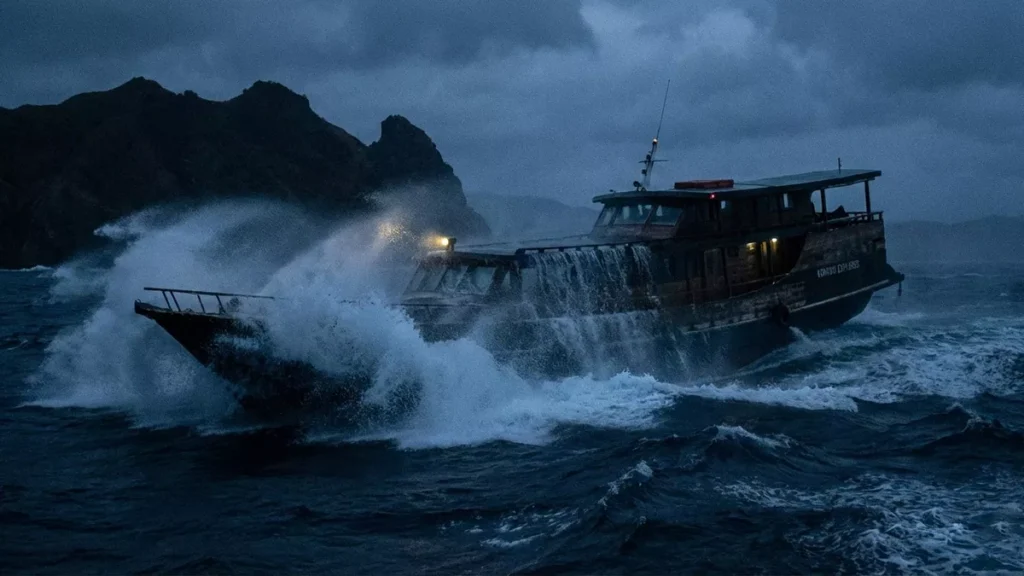
The waters around the Padar Strait—where the sinking occurred—have been classified as dangerous for navigation, particularly at night. Regulations discourage sailing in such zones due to the potential for strong currents, high waves, and sudden water movement.
According to testimony, this classification had been in place for at least two years.
Yet the vessel proceeded.
Investigators were told that multiple factors could contribute to a sinking in such conditions, including sudden wave patterns—locally referred to as kalang-kalang—where waves can rise abruptly before subsiding.
Weather Conditions: Moderate, But Not Predictable
Testimony from Indonesia’s Meteorology Agency (BMKG) added further complexity.
At the time of the incident, wave heights were recorded at 1 to 1.5 meters, categorized as moderate. Ocean currents ranged between 80 and 120 centimeters per second.
There was also an early warning of coastal flooding linked to lunar phases—a natural phenomenon that can amplify tidal movement.
On the surface, these conditions did not appear extreme.
Radar analysis indicated that the weather around the location remained partly cloudy, without immediate signs of severe storms.
And yet, the question remains: if conditions were moderate, what went wrong?
A Blind Spot in Monitoring
One answer may lie in what was not there.
During testimony, it was revealed that no real-time weather monitoring equipment exists in the Padar Strait. As a result, authorities were unable to detect or communicate sudden local changes in conditions to vessels operating in the area.
This gap limits the ability of meteorological agencies to issue immediate warnings—leaving crews to rely on broader forecasts that may not capture localized risks.
For a region increasingly promoted as a premium tourism destination, the absence of such infrastructure raises broader concerns.
Beyond Individual Responsibility
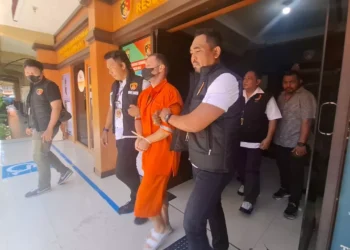
The trial, which has already heard emotional testimony from survivors, is formally centered on the actions of two defendants: the ship’s captain and a crew member.
But the testimony from KSOP and BMKG suggests that the case may not be confined to individual negligence alone.
Instead, it points toward a layered problem:
- A vessel replacement made under time pressure
- A reliance on documentation over physical inspection
- A decision to sail through a known hazardous zone
- Limited real-time environmental monitoring
Each element, on its own, may not explain the tragedy. Together, they begin to form a pattern.

A Test for a Growing Destination
Labuan Bajo stands at the center of Indonesia’s tourism ambitions—a gateway to Komodo National Park and a symbol of the country’s push toward high-value travel.
But growth, as this case suggests, brings its own risks.
For international visitors, the implications are direct. The experience being offered is not only about landscapes and destinations, but about the systems that support them—quietly, and often invisibly.