

































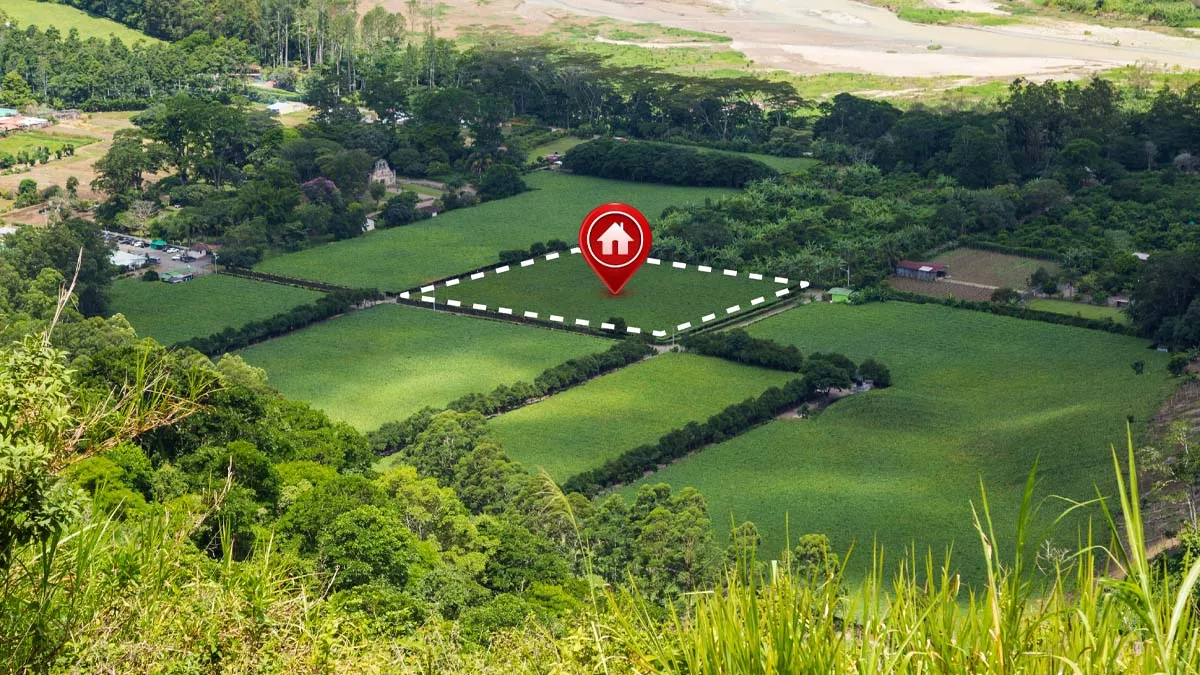
DENPASAR, Bali — For property owners and prospective buyers on the island, the 2025/2026 Christmas and New Year (Nataru) holiday period presents a unique administrative opportunity. In an annual initiative to improve public access, the Ministry of Agrarian Affairs and Spatial Planning/National Land Agency (ATR/BPN) will keep its local Land Office (Kantah) services open during the holidays, specifically for processing critical documents like land certificates (sertifikat tanah).
This special holiday service window is scheduled for December 25-26, 2025, and January 1, 2026, operating from 9:00 AM to 12:00 PM local time. This continuity of service aims to accommodate residents and business owners who may find it challenging to visit government offices during standard working days.
“This initiative has been implemented during previous major holidays and has proven to provide necessary access for the community,” said Secretary General of the Ministry of ATR/BPN, Dalu Agung Darmawan, in a statement on Wednesday, December 24, 2025.
Understanding the Process: From Application to Certified Title
For the international community in Bali—expatriates, long-term residents, and investors—navigating property certification is a fundamental step toward securing legal tenure. The primary goal is often to obtain a Hak Milik (Freehold Title) or a Hak Guna Bangunan (Right to Build/Use Title), each with distinct regulations for foreign and domestic ownership.
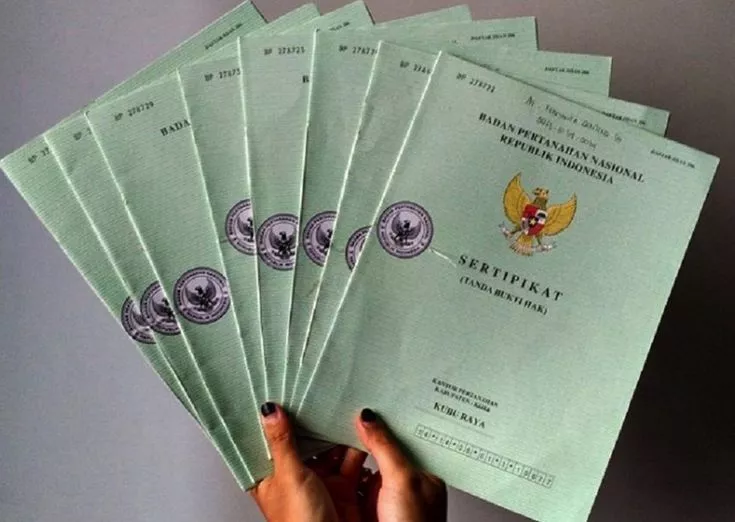
The journey begins with a comprehensive set of documents. Applicants must prepare:
- A completed and signed application form (using a stamped duty).
- Original land certificate and a photocopy.
- Photocopies of identification (KTP & Family Card/KK) for all parties involved, verified against originals.
- A current year’s land and building tax (PBB) receipt.
- Proof of payment for Land and Building Acquisition Duty (BPHTB).
- A statement letter confirming the land is free from legal disputes.
- A statement of physical control over the property.
Crucially, foreign ownership in Indonesia is highly restricted for freehold titles. Most expatriates legally access property through long-term lease arrangements (Hak Pakai or leasehold rights), which must be clearly reflected in the certification process. Engaging a credible local notary (notaris) or legal consultant with expertise in Indonesian property law is not just recommended; it is essential to ensure compliance and understand the specific, often complex, requirements applicable to non-Indonesians.
Timeline, Costs, and the Importance of Local Insight
Once a complete application dossier is submitted, the processing time for a new certificate is approximately 18 working days. The associated fees are variable and depend on location, land size, and property type. As an illustrative example cited by the Ministry, for a 200-square-meter non-agricultural freehold title in West Java, the total state fees amount to approximately IDR 548,000 (around USD 35), broken down into registration, land inspection, and surveying costs.
However, this base government fee is only part of the financial picture. For anyone in Bali, especially foreign nationals, the total cost will include indispensable professional services: legal fees for the notary, potential translation costs for documents, and often, facilitator fees for navigating the local land office procedures. The total expense can be significantly higher than the nominal state fees.
A Balinese Cultural Perspective: Tanah is More Than an Asset

In Bali, land (tanah) carries a weight that transcends its commercial value; it is intertwined with cultural heritage, community identity (adat), and spiritual belief. Many areas are subject to traditional adat law, which may not always be fully documented in the national system but is deeply respected locally. A plot might have sacred significance or communal restrictions that aren’t immediately apparent in a standard title search.
This underscores the critical importance of conducting thorough due diligence, which should include consultations with the local banjar (community council) to uncover any traditional claims or cultural obligations attached to the land. The principle of Tri Hita Karana, emphasizing harmony with the spiritual, social, and natural environments, reminds us that property ownership in Bali comes with a responsibility to the community and the island’s delicate balance.
Key Guidance for Bali’s International Residents
- Use the Holiday Window Strategically: The special Nataru hours are ideal for initial inquiries, submission of pre-prepared documents, or clarifying specific bureaucratic steps with officials.
- Secure Expert Guidance First: Before any major step, consult with a licensed, English-speaking notary or property lawyer who understands the nuances of adat law and foreign ownership structures. This is your most important investment in the process.
- Verify Everything Independently: Always cross-reference information. Use the official Sentuh Tanahku app from ATR/BPN for fee estimates and check the credentials of any agent or facilitator.
- Respect the Adat: For land in traditional villages, seek permission and understanding from the kelian banjar (local head). What is legally permissible may not always be culturally acceptable, and community harmony is paramount.
While the holiday service opening provides administrative convenience, the path to secure and clear land certification in Bali requires patience, expert assistance, and profound cultural respect. For the global community on the island, it is a process where meticulous legal preparation must walk hand-in-hand with a deep appreciation for Balinese tradition.