






















A woman from Karangasem has died abroad, her body repatriated with unexplained sutures, leaving a family seeking answers through translation and a foreign autopsy report.
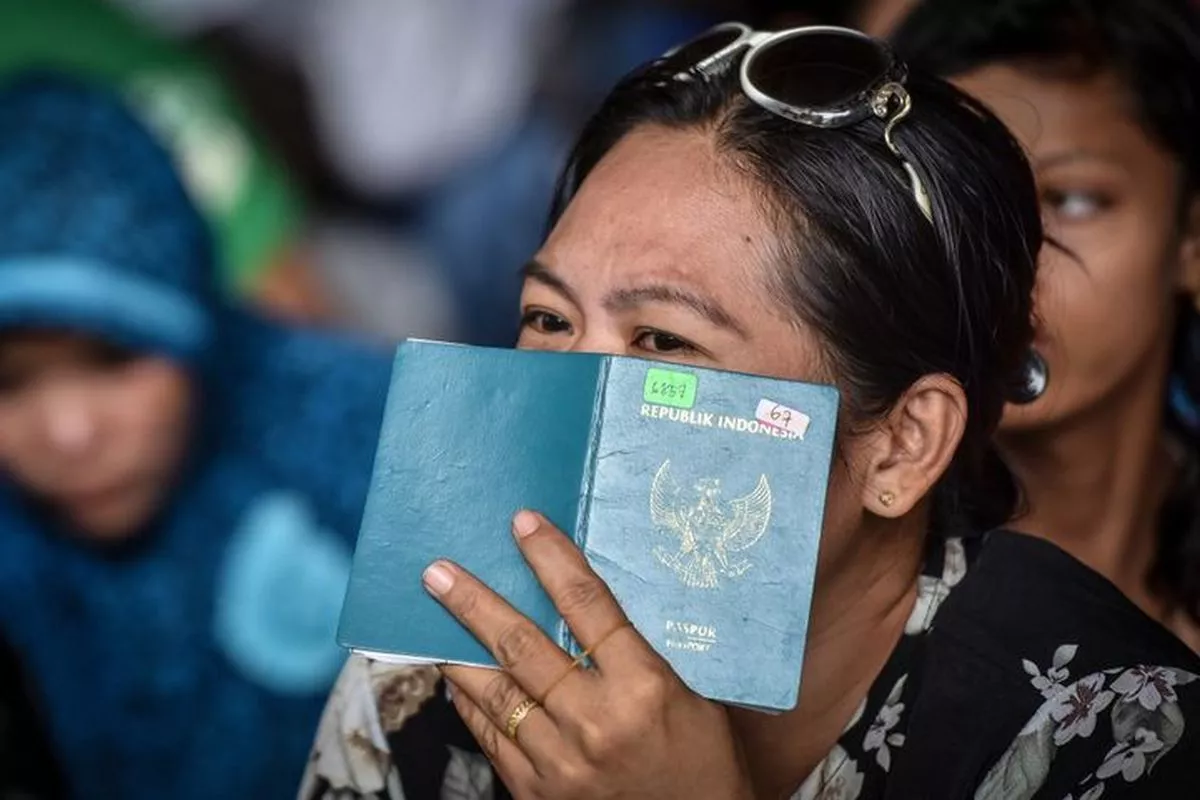
TULAMBEN, Bali — The body of Ni Komang Dewantari, a migrant worker from a village in Karangasem, East Bali, arrived at her family home on Friday afternoon, January 9, 2026. Her return from Turkey was met not only with grief, but with shock and profound confusion over the state of her remains.
According to Kubu Police Chief, AKP I Nyoman Sukarma, Dewantari’s family was alarmed to find her body bearing extensive, long stitches running from her neck down to her abdomen. The condition immediately raised distressing questions about what had transpired before her death overseas.
“The family was shocked to see the condition of the body full of stitches. The family questioned what actually happened to the victim,” Sukarma stated on Saturday, following coordination with the bereaved relatives.
A Journey Home, Clouded in Uncertainty
Dewantari’s body arrived at I Gusti Ngurah Rai International Airport aboard a cargo flight around 2:30 PM local time. It was received by family members and transported by ambulance to the funeral home in Tulamben Village. The confusion was compounded initially by a separate issue: the family briefly believed the necessary repatriation documents were missing, only to later learn they were held by a female relative who had been at the airport.
Through subsequent discussions, the family came to understand that the prominent sutures were likely the result of an autopsy performed by authorities in Turkey. This was supported by the existence of an official autopsy report issued by Turkish police.
A Language Barrier to Closure
However, the document is written in Turkish, rendering its critical contents—including the official cause of death—incomprehensible to the Javanese-speaking family in rural Bali. This language barrier has suspended their understanding and blocked a fundamental step in the mourning process: knowing how and why their loved one died.
“The family plans to look for a translator so they can clearly know the autopsy results and the cause of her death,” Sukarma explained.
The case underscores the complex, often traumatic logistical and bureaucratic realities faced by Indonesian families when a relative dies while working abroad. For the close-knit communities of rural Bali, where many rely on overseas remittances, Dewantari’s return is a somber reminder of the vulnerabilities inherent in labor migration.
Her family’s path to closure now depends on navigating foreign legal documentation, a task requiring resources and assistance seldom available in their village, as they seek to translate not just words, but the final circumstances of a life lost far from home.