






























LABUAN BAJO, Indonesia —A quiet holiday voyage through one of Indonesia’s most celebrated marine destinations has become the subject of a deeply scrutinized courtroom battle—one that is now revealing uncomfortable questions about safety, accountability, and oversight in a rapidly growing tourism hub.
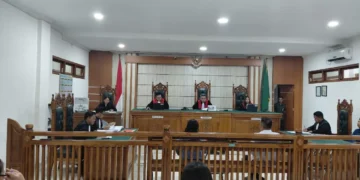
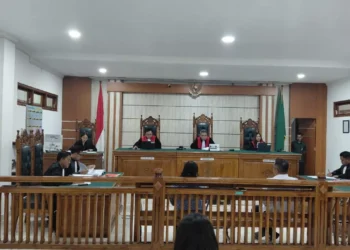
In a remote hearing delivered via video link, Andrea Ortuno, a survivor of the KM Putri Sakinah sinking, offered one of the most detailed accounts yet of the events that led to the fatal incident. Her testimony, heard at the Labuan Bajo District Court on Tuesday, traced not only the final moments before the vessel went down, but also the warning signs that, in hindsight, now seem difficult to ignore.
A Journey That Began Like Many Others
For Andrea and her family, the trip began as countless others do in Labuan Bajo—a gateway to Komodo National Park and one of Southeast Asia’s fastest-growing tourist destinations.
They arrived on December 26, 2025, greeted by a tour operator who escorted them from Komodo International Airport to the Marina harbor. From there, they boarded what was meant to be a routine leisure cruise through iconic island stops, including Kalong Island and Padar Island.
But even before the boat left harbor, Andrea sensed something was not right.
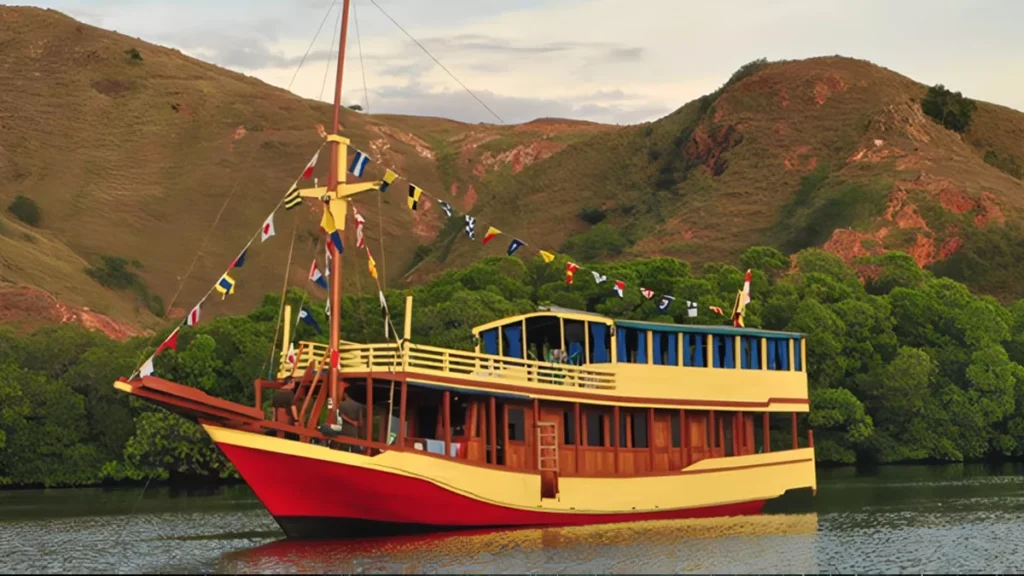
She told the court that the life jackets provided were small, poorly maintained, and inadequate. More troubling, she said, was the vessel itself—which did not match the one originally advertised.
At the time, those concerns remained just that: concerns.

A Sudden Impact in the Night
The turning point came hours later, after night had fallen.
Andrea was asleep in a cabin with two of her children when a violent impact jolted her awake. The force of the collision was immediate—and disorienting.
“I woke up because of a strong hit,” she said, speaking through an interpreter provided by the Spanish Embassy.
What followed unfolded rapidly.
Passengers were inside their cabins when the vessel began to take on water. Andrea managed to escape with one of her children, but another child, Lia, would later be found dead. Her husband, Fernando Martin Carreras, along with two of their sons, had been in a separate cabin at the time of the incident.
Within minutes, the situation had turned from confusion to catastrophe.
“The Boat Sank in Minutes”
Andrea’s testimony emphasized the speed of the sinking—a detail that has become central to the case.
“The boat sank in just a few minutes,” she said.
In those critical moments, she recalled shouting for help, but receiving no response from the crew.
More striking was what she described next: as she struggled in the water with her child, some crew members were already on another vessel—dry and out of immediate danger.
Her account has intensified scrutiny over whether proper evacuation procedures were followed, or whether passengers were left to fend for themselves.
Questions Over Safety and Responsibility
Andrea’s testimony aligns with broader concerns raised during the investigation—namely, whether basic maritime safety standards were overlooked.
Tourist vessels operating in high-profile destinations like Komodo National Park are expected to meet strict safety requirements. Yet early findings point to potential failures, from inadequate life-saving equipment to questionable operational practices.
For an industry that markets itself on natural beauty and adventure, the case has exposed a more fragile reality beneath the surface.
From Tragedy to Trial
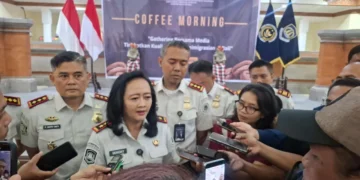
The sinking of KM Putri Sakinah in late December 2025 triggered immediate investigations by both police and maritime authorities.
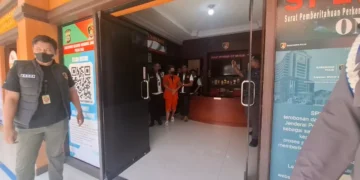
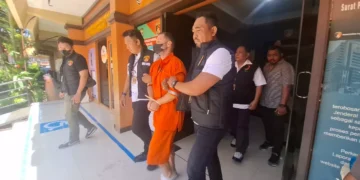
As evidence accumulated—ranging from survivor testimony to technical assessments—two individuals were named as suspects: Lukman and Muhamad Alif Latifa Djudje, both now standing trial.
The court proceedings, led by Chief Judge Putu Dima Indra, have brought in a range of expert witnesses, including officials from the Labuan Bajo Port Authority and Indonesia’s Meteorology Agency, to assess both vessel conditions and environmental factors at the time of the incident.

A Defining Moment for Tourism Safety
Beyond the courtroom, the implications of this case are far-reaching.
Labuan Bajo has been positioned as a premium tourism destination—part of Indonesia’s broader effort to elevate its global appeal. But with that ambition comes responsibility.
The KM Putri Sakinah tragedy has become a test of whether safety standards are keeping pace with tourism growth.
For travelers, it raises questions that go beyond a single incident:
How well regulated are the vessels?
How prepared are crews for emergencies?
And how quickly can oversight adapt in destinations experiencing rapid expansion?
What Comes Next
The trial is ongoing, with further witness testimony and evidence expected in the coming sessions.
For the families affected, the proceedings are about more than legal outcomes—they are about clarity, accountability, and the hope that such a tragedy will not be repeated.
For Bali and Labuan Bajo alike, the case serves as a stark reminder:
in a destination built on trust and experience, safety is not an accessory—it is the foundation.












Comments 1