
















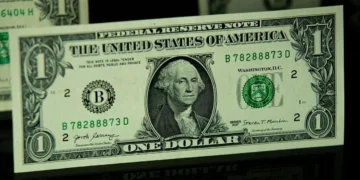














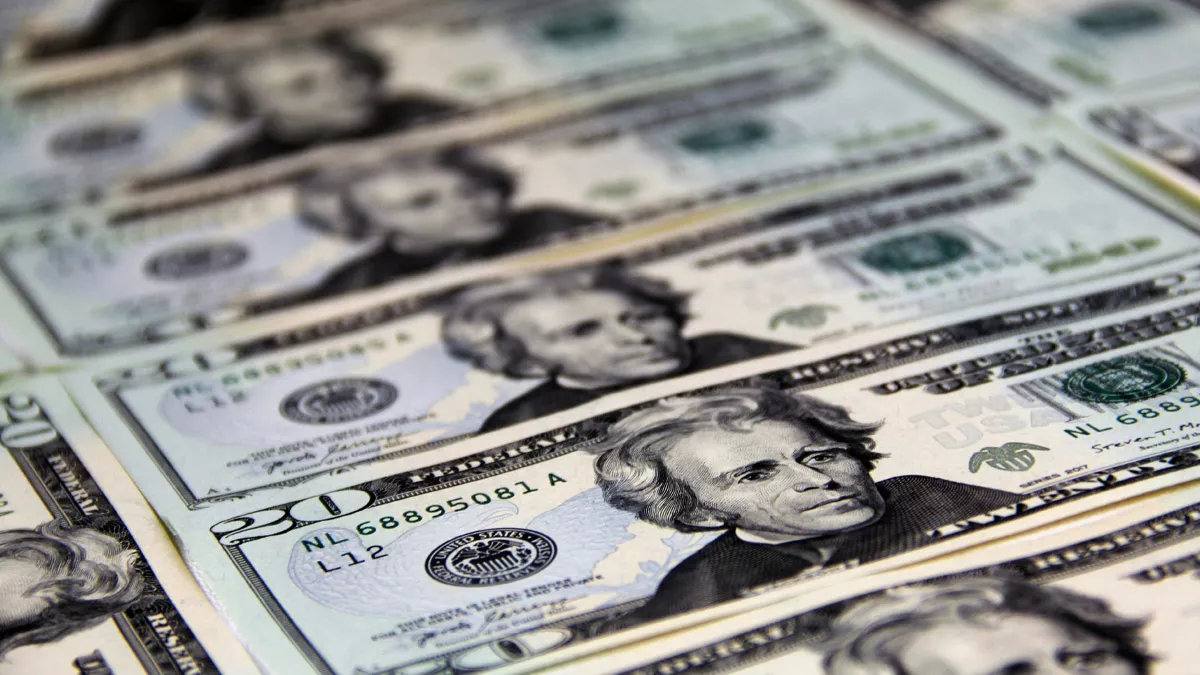
In a significant intervention, Germany’s top financial regulator has questioned the long-term stability of the US dollar’s global reserve status, citing geopolitical shocks and “politicization” as critical threats—a warning that carries profound implications for international trade, investment, and tourism economies worldwide.
FRANKFURT/BERLIN — The bedrock of the global financial system is showing cracks, according to a stark assessment from one of Europe’s most authoritative voices. Germany’s Federal Financial Supervisory Authority (BaFin) has issued a rare public warning that the US dollar’s role as the world’s primary reserve currency is under tangible threat from geopolitical strife, potential liquidity shortages, and the growing “politicization” of financial institutions.
“The risk remains that markets will question the role of the US dollar as the global reserve currency,” stated BaFin President Mark Branson in the agency’s latest annual outlook report. He highlighted how “drastic efforts to politicize institutions” could undermine the international cooperation needed to manage crises, directly linking political volatility to financial instability.
A Perfect Storm of Pressures
The warning coincides with observable market tremors. The Bloomberg Dollar Spot Index recently recorded its sharpest one-day drop in months, reacting to renewed trade policy uncertainty from the US. Meanwhile, IMF data shows the dollar’s share of global foreign exchange reserves has slipped to a multi-decade low of 56.3%, a trend BaFin’s analysis reframes not as a statistical blip but as a symptom of deeper systemic anxiety.
For policymakers and businesses alike, this shift is no longer a theoretical risk but a tangible pressure point felt in national budget discussions and on corporate trading desks.
BaFin pinpointed “liquidity shortages” triggered by geopolitical escalation as a critical vulnerability. In essence, during times of intense global tension, the sheer volume of dollar-based transactions could seize up, causing sudden, severe disruptions in worldwide financial markets.
Implications for Bali’s Crossroads Economy
For an international hub like Bali, whose lifeblood is global capital and cross-border visitors, a potential shift in dollar dynamics is not an abstract concern but a practical reality with two primary fronts:
- Tourism & Spending Power: The US dollar is the vacation currency of the world. A volatile or weakening dollar alters the spending calculus for a significant segment of Bali’s tourists—not only Americans but also travelers from regions whose currencies are pegged or closely tied to the dollar. Their real purchasing power on the island could diminish, affecting everything from villa rentals and fine dining to spa treatments and local tours. Conversely, a strong dollar could make Bali more expensive for visitors from Europe, Australia, and other regions, potentially shifting tourism demographics.
- Investment & Development: Bali’s property market and business landscape are funded by a mix of domestic and foreign capital, with the US dollar serving as a key benchmark. Uncertainty in the dollar’s long-term value can make international investors more hesitant, demanding higher risk premiums or pausing major commitments. For expatriates and foreign entrepreneurs using dollar-based savings or income to invest in Balinese businesses or real estate, currency volatility directly impacts the scale and security of their investments.
Navigating a Multi-Currency Future
The BaFin report does not forecast the dollar’s imminent collapse but signals a growing consensus that its unquestioned dominance is ending. For Bali, this underscores the importance of economic resilience and diversification. It highlights the value of attracting a geographically diverse tourist base and investment pool, lessening over-reliance on any single currency zone.
The warning from Germany is ultimately a call for attention to the foundations of global exchange. In Bali, where the rhythm of life is measured in Indonesian Rupiah but deeply influenced by the ebb and flow of international finance, it is a reminder that the island’s prosperity is tethered to forces far beyond its shores. For destinations like Bali, the ultimate competitive edge may lie not in betting on a single currency’s perpetual strength, but in building an economy agile and diverse enough to thrive no matter where global confidence shifts next.