


































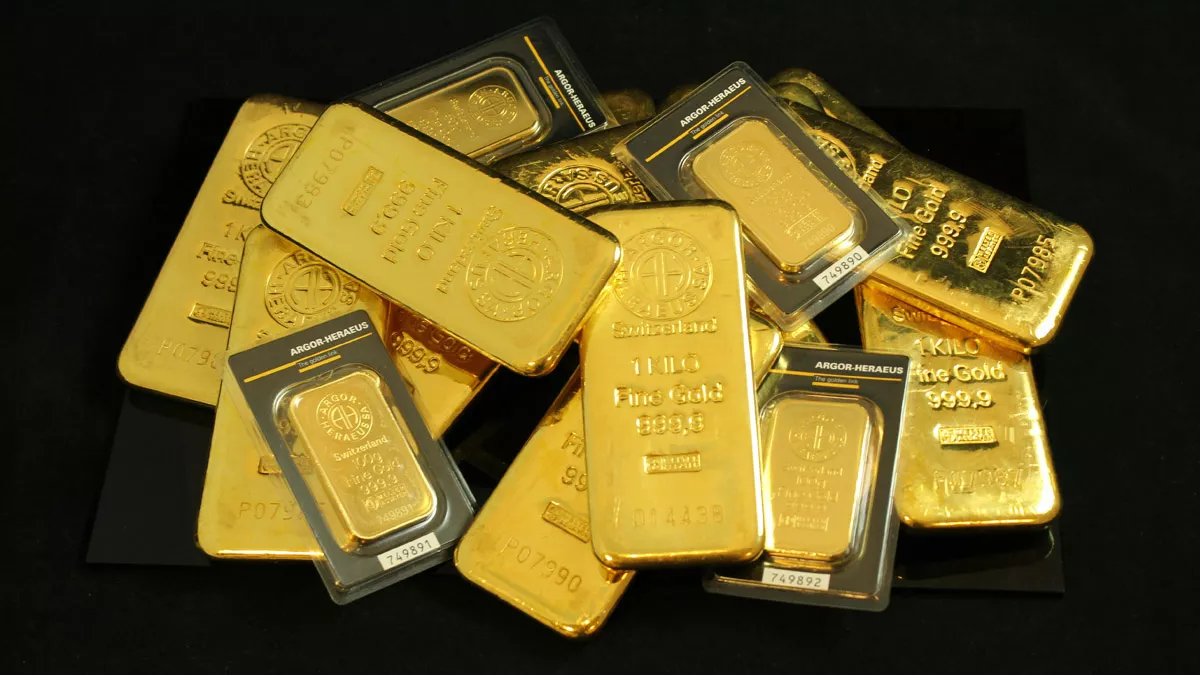
A seismic shift in global finance is underway as central banks pivot to gold, signaling waning confidence in the US dollar. For Bali’s economy, built on tourism and foreign investment, this tectonic movement carries profound implications.
BALI – In a quiet but monumental shift that has reverberated through the halls of global finance, the world’s central banks have, for the first time since 1996, collectively held more of their reserves in gold than in US Treasury securities, according to analyses of recent international reserve data. This is not a fleeting trend but a strategic recalibration, driven by a potent mix of geopolitical unease, concerns over US debt, and a quest for financial sovereignty. For an international hub like Bali, whose economic vitality is intricately tied to global capital flows and currency stability, understanding this shift is crucial.
The Numbers Tell the Story
The data is stark. According to figures from the second quarter of 2021 to 2025, the composition of global reserves has dramatically inverted. In 2021, US Treasuries dominated, comprising 28% of reserves compared to gold’s 13%. By 2025, that balance had flipped: gold rose to 24%, edging out US debt, which fell to 23%.
This movement has been spearheaded by the central banks of major emerging economies. Nations like China, India, and Turkey have been at the forefront of a sustained gold-buying spree, a clear strategy to diversify away from the US dollar. “This is a deliberate move to de-risk national balance sheets,” explains a senior economist specializing in global commodities and foreign exchange. “High US debt levels and geopolitical tensions have made gold—a tangible, non-political asset—increasingly attractive as a stabilizing force.”
This unprecedented demand has propelled gold prices to record highs in early 2026, reinforcing its status as the ultimate safe-haven asset.
The Global Rankings and Indonesia’s Position
While the flow of new money favors gold, the stock of existing holdings still shows traditional powerhouses at the top. The United States remains the world’s largest gold holder with 8,133.5 tonnes, followed by Germany, the International Monetary Fund (IMF), and Italy. The active buyers, China and India, currently hold 2,305.4 tonnes and 880.2 tonnes, ranking 7th and 9th globally, respectively.
And where does Indonesia stand in this new gold race? As of November 2025, Bank Indonesia holds 84.9 tonnes of physical gold, placing it 44th in the world. While stable, this reserve is modest compared to regional economic peers like Japan (846 tonnes). Indonesia’s approach has been traditionally conservative, viewing gold as a strategic, long-term reserve to bolster confidence in the Rupiah rather than engaging in aggressive accumulation. This positioning highlights a deliberate, if cautious, strategy within the nation’s broader economic policy.
Implications for Bali: Tourism, Investment, and Economic Resilience
This global pivot away from dollar-denominated assets is more than a Wall Street headline; it has real-world consequences for Bali.
- Currency Volatility & Tourist Spending: A weaker long-term dollar outlook could alter the spending power of key tourist demographics, particularly Americans and those whose currencies are pegged to the dollar. Conversely, it may increase the purchasing power of visitors from gold-accumulating nations like China and India. Bali’s tourism businesses, from beach clubs to boutique hotels, must remain agile to these shifting economic winds.
- Foreign Investment Flows: The search for “real” assets extends beyond gold. As confidence in traditional financial instruments wanes, tangible investments—like sustainable tourism infrastructure, villa developments, and local SMEs in stable destinations—could see renewed interest. Bali, with its unique cultural and natural capital, is well-positioned to attract this type of discerning, long-term investment.
- A Lesson in Diversification: The central banks’ strategy is, at its core, a lesson in risk management. For Bali’s own economy, heavily reliant on tourism, this underscores the critical need to diversify its economic base. Supporting creative industries, sustainable agriculture, and digital entrepreneurship builds a more resilient Bali, less vulnerable to global financial shocks.
The great central bank gold rush is a clear signal: the world is preparing for a more multipolar, less dollar-centric financial future. For Bali, a global crossroads, this transition presents both challenges and opportunities. By fostering a stable, innovative, and diversified economic environment, the island can ensure it thrives not in spite of these global changes, but because of its strategic foresight and inherent strength. Ultimately, for the villa owner, the restaurant manager, and the local artisan, this global trend is a reminder: in an uncertain w