


























Another accident involving Chinese tourists in Bali raises urgent questions about safety standards, budget travel ethics, and who is really paying the price for “affordable” packages.
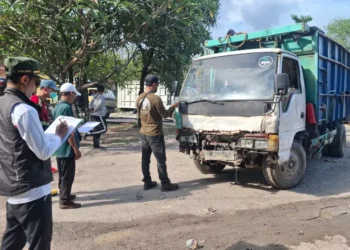
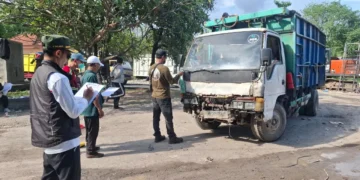
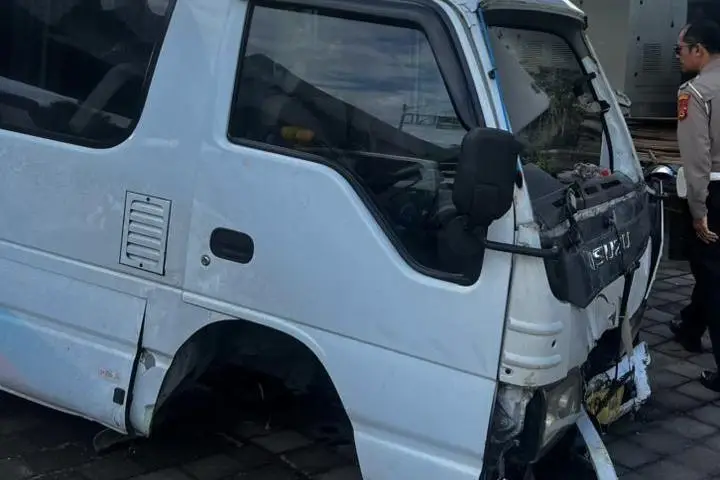
Denpasar, Bali – Another morning, another accident. On Friday morning, December 5th, a travel minibus carrying 13 Chinese tourists and two crew members crashed into a lamppost and overturned on Jalan Raya Pelabuhan Benoa in Denpasar. According to Police Spokesperson Kompol I Ketut Sukadi, the driver, identified as ML, fell asleep at the wheel while driving at high speed. The vehicle veered out of control, leaving the front axle broken and the cabin crumpled. Miraculously, all passengers survived with only minor injuries.
This incident is not an isolated one. Just months ago, a HiAce van packed with Chinese tourists plunged into a ravine in Buleleng. The pattern is becoming tragically clear: a segment of Bali’s tourism industry is running on aging, overworked vehicles and exhausted drivers, all in the name of offering the cheapest possible package tours.
The economics are simple, and the logic is brutally capitalist. To compete for the massive volume of Chinese group tourism, some local agents and their overseas partners cut costs to the bone. The most common and invisible corner cut? Transportation.
Walk past any major tourist hub like Kuta, Uluwatu, or the Benoa port area. You’ll see them: aging coaches and minibusses, their engines groaning under the Balinese sun, shuttling group after group on packed itineraries. These vehicles are not just old; they are often poorly maintained, operating on tight schedules that pressure drivers to speed and skip rest.
“The driver was sleepy. It was purely Out of Control,” stated Kompol Sukadi, who charged the driver under traffic negligence laws. The police urged drivers to prioritize safety and rest when tired. But this plea addresses the symptom, not the disease. The driver is the last link in a chain that starts with tour operators choosing profit over duty of care.
The Real Price of a “Bargain”
For the global traveler, especially those booking from abroad, the appeal of an all-inclusive, budget-friendly Bali tour is obvious. But this latest accident exposes the hidden line items in that cheap package: fatigued drivers, aging brakes, and deferred maintenance.
The problem is systemic. Large Chinese tour groups are often handled by specialized agents who negotiate rock-bottom rates with local transport providers. To make the math work, these providers use older vehicle fleets, minimize maintenance windows, and schedule grueling back-to-back trips for drivers. Safety becomes a variable cost, not a fixed standard.
For the tourist, the risk is masked until the moment of impact. For Bali, the cost is paid in human safety and in the gradual erosion of its brand as a safe, world-class destination.
Giostanovlatto’s Perspective: A Warning from a Bali Tourism Observer
“Bali is at a crossroads,” says Glostanovlatto, writer and founder of the independent media platform Hey Bali. “We are trading long-term reputation for short-term volume. These accidents are not just traffic incidents; they are systemic failures that the market is incentivizing.”
“Every time a budget tour van crashes, it chips away at the trust that tourists place in our island. The message it sends is chilling: that in some segments of our industry, the well-being of guests is negotiable. This isn’t about blaming one driver or one company. It’s about a race to the bottom that puts everyone at risk—tourists, drivers, and Bali’s future.”
“The solution,” he argues, “must come from both demand and supply. Travelers must vote with their wallets and ask tough questions. But more importantly, regulators and reputable businesses must enforce and champion clear safety standards, proving that Bali tourism values lives more than it values the lowest bid.”
Your Bali Travel Safety Checklist: Choosing the Right Transportation
As a traveler, your safety is your responsibility. Here’s how to choose wisely:
- Ask Direct Questions: Before booking any tour, ask: “What year is the vehicle?” and “What is the driver’s maximum shift length?” Reputable companies will have answers.
- Inspect Before You Board: Trust your eyes. Excessive rust, worn tires, broken seatbelts, or a visibly tired driver are red flags. Don’t board.
- Avoid Overpacked Itineraries: If a tour promises 5 major attractions in 8 hours, the math requires speeding. Choose relaxed, realistic schedules.
- Book Through Reputable Platforms: Use well-reviewed local operators or international platforms with clear safety policies and traveler reviews that mention vehicle quality.
- Consider Alternative Transport: For small groups, consider hiring a private, newer car with a vetted driver for the day. The cost split per person is often comparable to cheap group tours and is significantly safer.
- Speak Up: If you feel unsafe, say so. Ask the driver to slow down or request a break. Your safety is more important than politeness.
Bali’s beauty should be experienced with wonder, not with anxiety. The true cost of a vacation should never be measured in risk.
Reported by Ferry Fadly
Written by Hey Bali Newsroom