






























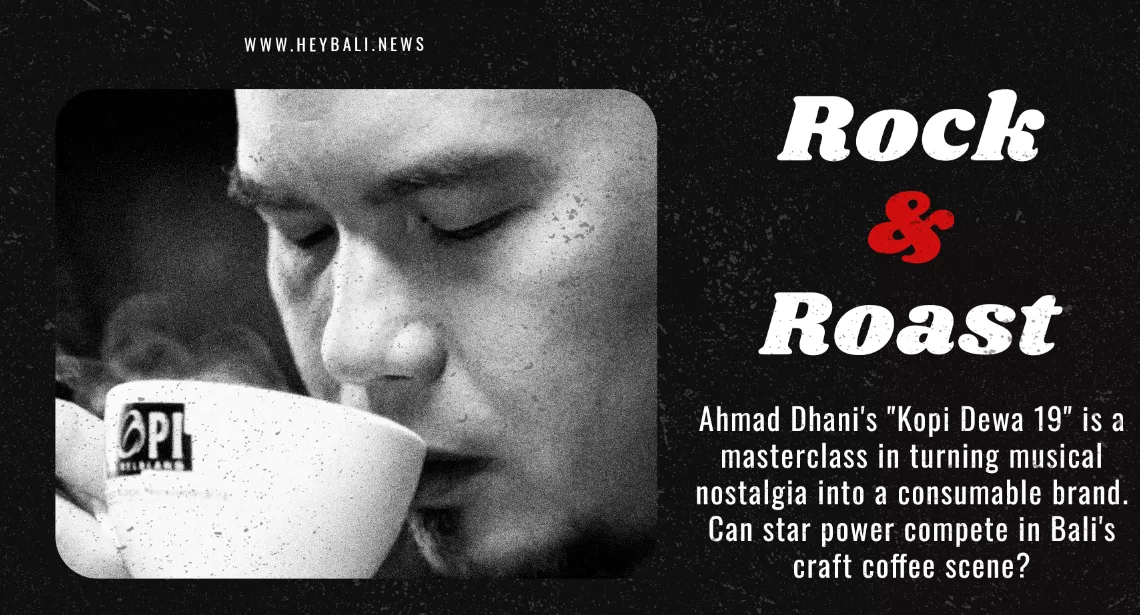
JAKARTA — In the thunderous guitar riffs and soaring vocals that defined a generation of Indonesian music, a new sensory note is emerging: the rich, earthy aroma of roasted coffee beans. Ahmad Dhani, the maestro behind the legendary band Dewa 19, is orchestrating his next act not on a concert stage, but in the mugs and memories of his audience. His venture, Kopi Dewa 19, represents a masterclass in cultural capital transfer—transforming decades of musical influence into a tangible, consumable experience in a global marketplace saturated with celebrity brands.
For the uninitiated, understanding Dhani’s move requires context. Dewa 19 is not just a band; it is a cultural institution. Often dubbed the “Queen of Indonesian Rock,” their anthems have been the soundtrack to national life for over three decades. With Kopi Dewa 19, Dhani is essentially bottling that legacy, offering fans a chance to own a piece of their youth, one sip at a time.
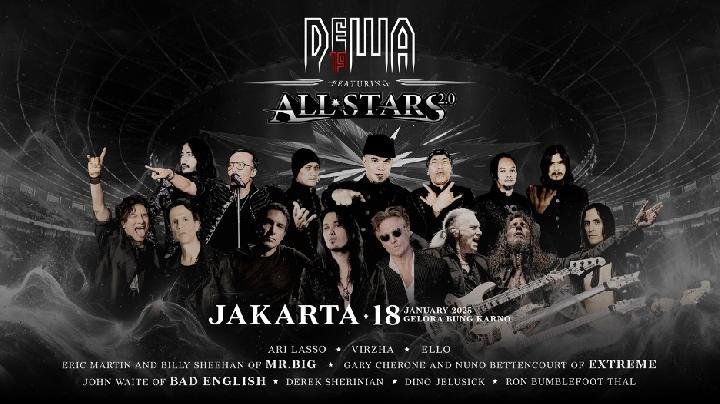
The band’s name itself carries profound cultural weight. In Indonesian and Balinese, “Dewa” translates to “god” or “deity.” In Bali’s predominantly Hindu culture, dewa are revered spiritual beings, integral to daily rituals and artistic expression. This naming was never accidental; it positioned the band not merely as entertainers, but as transcendent, almost mythical figures in the nation’s pop culture pantheon.
Cultural Capital: Trading Riffs for Roasts
At its core, Kopi Dewa 19 is an exercise in masterful personal branding. Its flagship “Kopi Legend” variant is a direct translation of Dhani’s own public persona—bold, enduring, and iconic. This strategy of embedding a celebrity’s essence into a product is a global playbook, executed with different nuances across the world:

| Celebrity & Brand | Core Persona Sold | Business Model & Appeal |
|---|---|---|
| Ahmad Dhani Kopi Dewa 19 | The Iconic Legend Nostalgia, power, artistic stature. | Mass-market sachets & themed cafes. Leverages deep, decades-old fan loyalty (“Baladewa”) and national nostalgia. |
| Hugh Jackman Laughing Man Coffee | The Humanitarian Empathy, ethical consumption, global citizenship. | Philanthropic model. Consumers buy into a story of social good and farmer empowerment with every purchase. |
| Emma Chamberlain Chamberlain Coffee | The Relatable Gen-Z Icon Effortless cool, aesthetic lifestyle, digital-native authenticity. | E-commerce & retail driven by social media. Sells an aspirational, Instagrammable daily ritual directly to a massive online following. |
“In the celebrity coffee game, you are not selling a bean; you are selling a story.” – Giostanovlatto
This comparison reveals the universal rule: In the celebrity coffee game, you are not selling a bean; you are selling a story. Dhani’s story is one of enduring musical dominance, and his coffee serves as a physical artifact of that journey.
The Loyalty Test: Beyond the First Sip
This model, however, faces a fundamental paradox. While initial sales are fueled by emotional equity (fandom, curiosity, nostalgia), long-term survival depends on functional equity (taste, quality, consistency).
Kopi Dewa 19 launches with an unmatched advantage: a built-in, nationwide audience. There is no need to build brand awareness from scratch. Yet, it risks falling into the trap of the “one-time curiosity” purchase. A fan might buy a box for the thrill of owning a piece of memorabilia, but will they make it part of their daily routine?
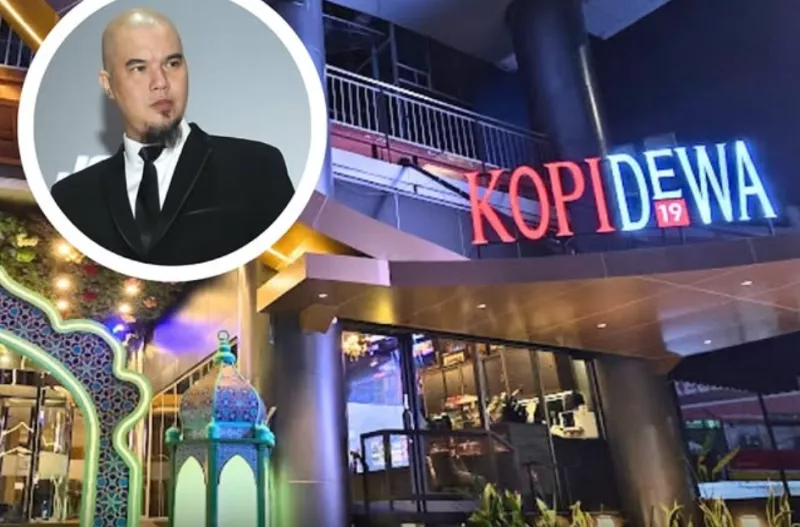
This is where the venture encounters the real market. Unlike specialty coffee brands that compete on roast profiles and origin stories, celebrity brands compete on connection. The central question for Kopi Dewa 19 is whether it can transition from being a “fan merchandise you can drink” to becoming a “coffee choice that stands on its own merit.” Can the “Legend” in the name come to describe the flavor in the cup, not just the man on the package?
A Legend in a Cup: Legacy or Gimmick?
The future of such a brand is a tale of two potential paths. On one hand, it could cement itself as a permanent, niche fixture—a comforting, nostalgic staple for its dedicated fanbase, much like the band’s greatest hits that still play on the radio.
On the other hand, without a relentless focus on quality, innovation, and expanding its narrative beyond pure nostalgia, it could be relegated to a limited-time phenomenon. The story of NBA star Jimmy Butler’s BigFace Coffee is instructive: it launched from a viral, opportunistic moment (selling $20 cups in the 2020 NBA bubble) but is striving to endure by emphasizing premium, direct-trade beans.

As Bali solidifies its status as a global specialty coffee hub, the theoretical arrival of brands like Kopi Dewa 19 poses a fascinating question for the island’s discerning drinkers: Can pure star power compete in a land defined by world-class baristas, single-origin roasts, and a culture of connoisseurship? The competition here isn’t just other celebrities; it’s against an entire philosophy of craft.
Ultimately, the success of Kopi Dewa 19 won’t be measured by how loud the guitar riffs were in the 90s, but by the quiet satisfaction found in the cup today. In a world where everyone is selling a story, Ahmad Dhani is betting that you can, indeed, taste a legacy. The market will now decide if this brew is a timeless classic or just a memorable encore.












Comments 1