

























































A Realistic, No-Fluff Guide (Especially for First-Timers) – Bali Rainy Season
Let’s skip the Instagram-filtered fantasy for a moment. Actually, let’s burn it.
Most travel guides will feed you the same comforting lie: that the Bali rainy season is “still magical,” filled with “lush greenery” and “romantic, fewer crowds.” They’ll show you one carefully framed photo of a misty rice field, add a poetic caption about serenity, and call it a balanced review.
Here’s the raw, unvarnished truth we’re paid to ignore: If this is your first trip to Bali, choosing the rainy season isn’t a quirky alternative—it’s a high-stakes gamble with your precious time, mood, and wallet. You didn’t spend months saving, planning, and flying halfway across the planet to become a prisoner of your own hotel room, staring through rain-streaked glass at a litter-strewn beach. That post isn’t going to write itself.
This guide isn’t here to scare you. It’s here to save you. You deserve clarity, not clichés. The Bali rainy season is a Jekyll and Hyde character—capable of a moody, romantic charm, but far more likely to reveal itself as inconvenient, unpredictable, and gloriously chaotic when you’re trying to actually see the island.
QUICK REALITY CHECK: BALI RAINY SEASON AT A GLANCE
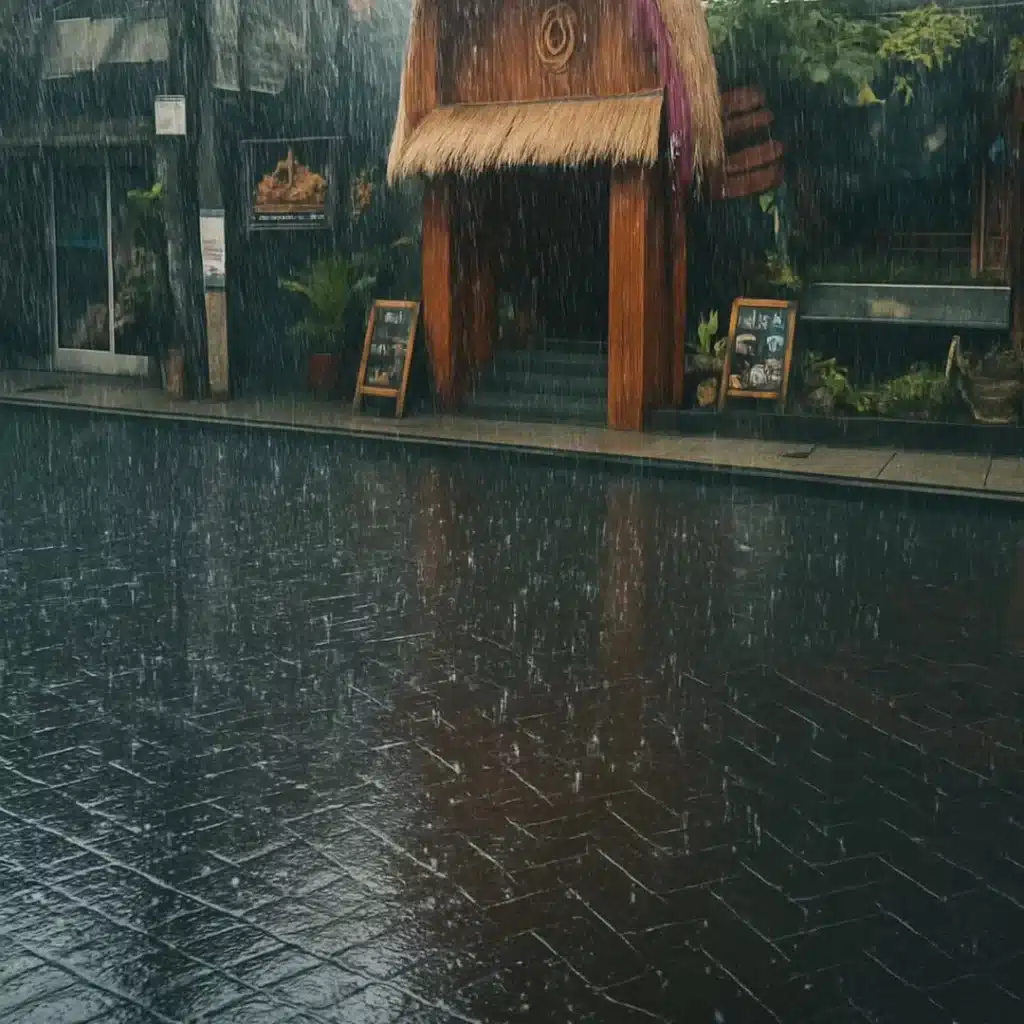
Before we dive into the messy details, here’s the honest snapshot. Look at this and ask yourself: “Is this really what I signed up for?”
| Factor | The Honest Verdict |
| Peak Months | December & January. These are the months when the sky stops pretending. |
| Rain Frequency | Not just “afternoon showers.” Expect heavy, prolonged downpours that can last hours, sometimes all day—especially in Ubud and the mountains. |
| Risk Level | High. Slippery roads, traffic jams that move at glacial speed, and seasonal beach trash that drifts in from everywhere. |
| Recommended For | Honeymooners who never leave their villa; repeat visitors who know how to navigate the season; budget travelers who trade sun for savings. |
| Not Ideal For | First-timers chasing sunsets, scooter adventures, blue skies, and iconic photo ops. You will be disappointed. |
So, the core question isn’t just when is the Bali rainy season (roughly November to March). The real question is: do you have the mindset—and the waterproof gear—to handle its untamed, soggy reality?
Now let’s peel back the postcards and show you what you’re really signing up for.
Welcome to the real Bali rainy season.
〰️🌀〰️🌀〰️🌀〰️
1. FANTASY VS. REALITY: THE GREAT BALI RAINY SEASON LETDOWN

Let’s get straight to it. You’ve seen the dream version of Bali. Now here’s what happens when you visit during the wettest months. This isn’t about being dramatic. It’s about giving you the full picture so you don’t end up staring at a grey horizon wondering why your expectations didn’t match the weather.
1. The Sunset: The “Golden Hour” That Vanishes
The Fantasy: A sky glowing orange, a temple silhouette in perfect balance, the kind of sunset that makes you feel like a filmmaker.
The Reality: From December to January, sunsets often disappear behind thick cloud cover. The sky shifts from pale grey to darker grey with very little drama in between. The sun drops early, usually without showing its face at all. Sunset chasers rarely get a reward beyond a cold drizzle. If a sunset cruise is on your wishlist, save it for another season.
2. The Beaches: The Plastic Tide
The Fantasy: Soft sand, clear water, and a photo-ready shoreline.
The Reality: Seasonal currents and rain wash plastic and debris onto west-coast beaches like Kuta, Legian, and Jimbaran. It’s a yearly issue, and the contrast can be surprising if you’re expecting pristine postcard views. Swimming becomes less pleasant, and that perfect beach photo takes more effort than you think.
3. Scooter Adventures: A Risky Ride
The Fantasy: Open roads, fresh air, and the freedom to explore villages, rice terraces, and coastal roads.
The Reality: Heavy rain turns those same roads into slick, low-visibility hazards. Oil on the asphalt, worn scooter tires, sudden storms, and uneven surfaces make riding tough even for experienced motorcyclists. Clinics see more accidents during these months for a reason. What feels romantic in the dry season becomes a real safety challenge in the wet one.
4. Getting Around: Traffic on a Different Level
The Fantasy: “Everything is close in Bali,” so you plan a full day across multiple regions.
The Reality: A single downpour can turn a simple drive into a long standstill. Flooded roads, stalled traffic, and poor drainage build up quickly. A one-hour route can stretch into three. It messes with itineraries more than travelers expect, and you end up spending more time waiting than exploring.

5. Photo Spots: The Umbrella Crowd
The Fantasy: Iconic images of Tanah Lot, Lempuyang’s “Gates of Heaven,” and Uluwatu cliffs.
The Reality: Expect muted light, mist, fog, and crowds carrying umbrellas. At Lempuyang especially, the dramatic reflections you see online are harder to capture when the sky is a mass of grey clouds. You’ll still get atmospheric photos, but the bright and bold shots circulating on Instagram usually come from the dry season.
The takeaway?
The Bali rainy season changes the island in more ways than just “it rains more.” Landscapes, logistics, and experiences shift fundamentally. If the dream moments above are your non-negotiable must-haves, you may want to reconsider your timing.
But here’s the twist: this season isn’t a universal “don’t come.” It’s a filter. It perfectly suits some travelers and brutally exposes others. The real question is, which one are you?
Let’s find out.
〰️🌀〰️🌀〰️🌀〰️
2. THE “ONLY IF” GUIDE: WHO ACTUALLY THRIVES IN THE BALI RAINY SEASON?

After seeing the realities of the wet season, you might assume the advice is to avoid Bali altogether. That isn’t the case. These months don’t shut the island down; they simply change the kind of traveler who enjoys it most. Some people struggle through these conditions, while others end up having their best trip yet.
Here’s a clear look at who tends to do well during these months.
1. The Honeymooners and Villa Homebodies
The Profile: Your plans revolve around your partner and your villa. You’re here to relax, reconnect, and enjoy privacy more than sightseeing.
Why It Works: Rain becomes a backdrop, not a problem. A villa feels even cozier when the weather is cool and the world outside goes quiet. You have room service, a warm pool, and slow mornings that don’t depend on sunshine. For couples who care more about atmosphere than activities, this season delivers exactly that.
2. The Repeat Visitors and Seasoned Digital Nomads
The Profile: You know the island well. You’ve done the iconic spots, and now you’re here to settle into a rhythm.
Why It Works: You understand what the island offers beyond perfect weather. You know cafes with reliable WiFi, which roads clog during a downpour, and when it’s smarter to pause for a massage instead of pushing across traffic. Your plans are flexible, and your expectations already match the season. Rain becomes part of the routine, not a disruption.
3. The Budget-Minded Traveler
The Profile: You care about value. You’re willing to trade blue skies for lower prices, nicer stays, or a longer trip.
Why It Works: These months offer some of the best deals of the year. Flights drop. Villas open up at rates that are hard to find in peak season. You may get caught in a storm on your way to dinner, but you’re enjoying a stay that would normally be out of reach. For travelers who prioritize smart spending, this timing makes sense.
4. The Mood and Meaning Seekers
The Profile: You’re drawn to atmosphere. You enjoy quiet places, dramatic skies, and landscapes that feel alive rather than polished.
Why It Works: Temples, jungles, and highland areas take on a different character in the rain. Mist settles over stone shrines, the air cools, and the crowds thin out. Visits feel contemplative and raw in a way the dry season doesn’t offer. If you prefer depth over postcard moments, this is when the island speaks loudest.

The Verdict:
If one of these profiles feels familiar, the rainy season might suit you better than you expect. It can be more intimate, more affordable, and more atmospheric than the typical Bali experience.
But enjoying it means adjusting how you travel. The usual Bali guidebook doesn’t apply here.
If you’re ready, the next section walks you through how to navigate the season with confidence — the practical survival manual.
〰️🌀〰️🌀〰️🌀〰️
3. THE SURVIVAL MANUAL: HOW TO STAY SANE DURING THE BALI RAINY SEASON
You’ve seen the reality, accepted it, and somehow still want to come. Fair enough. That puts you ahead of about 90 percent of first-timers.
But willingness alone won’t keep you dry. To actually enjoy the Bali rainy season, you need a different rulebook. Think of these as the non-negotiables.
Rule 1: Ditch the Scooter Fantasy. Get a Driver.

Let’s keep it real: riding a scooter in peak when Bali rainy season conditions isn’t adventurous. It’s reckless. Hidden potholes, slick roads, zero visibility—it’s the perfect recipe for a “why did I do this?” moment.
The smart move:
Hire a private driver with an SUV/MPV (Avanza, Innova, anything stable).
Price range: IDR 600K–800K per day for 8–10 hours.
A good driver knows which roads flood, can rearrange your day around the weather, and gives you a dry refuge when the skies dump an ocean on you. It’s less an expense and more the ticket to keeping your sanity intact.
Rule 2: Rethink “Activities.” Go Indoor, Go Immersive.
Beach-hopping doesn’t survive the Bali rainy season. But Bali has a long list of indoor gems most tourists never touch.

Solid rainy-season activities:
- Silver-making in Celuk
- Batik workshops in Ubud
- Coffee cupping in Canggu
- Blanco Renaissance Museum
- BAU (Bali Art Underground)
- Long, indulgent Balinese spa rituals
- Indoor surfing at FLOW
- Planetarium shows at the Bali Science Centre
When the weather’s unpredictable, activities with a roof become your best friend.
Rule 3: Pack Like Someone Who Knows the Assignment
Packing wrong is the fastest way to ruin your trip. Don’t let optimism pick your outfits.

Bring these:
- A proper waterproof jacket (not the flimsy poncho)
- Quick-dry tops and pants
- Grippy sandals or quick-dry footwear
- Waterproof pouches and a dry bag
- A microfiber towel — tiny, but a mood saver
These small things make the rainy season ten times easier.
Rule 4: Reset Your Photo Expectations
If your dream shot requires blue skies, you’re in the wrong season. But the Bali rainy season gives you something else: mood.

Lean into what the weather offers:
- Dramatic skies over Tanah Lot
- Steam rising from the jungle after a downpour
- Soft, diffused lighting for portraits
- Detailed shots of flowers, offerings, temples
- Atmospheric indoor scenes in cafes and markets
Your gallery won’t look like the standard “sunny Bali” set—
it’ll look deeper, more intimate, and honestly, more unique.
Master these rules and you stop fighting the season—you move with it.
Now you’re ready for the final strategic advantage: choosing the right base, because Bali doesn’t get equally soaked.
〰️🌀〰️🌀〰️🌀〰️
4. THE RAIN INTELLIGENCE MAP: CHOOSING YOUR DRY(ISH) ZONE
Here’s tactical advice you won’t find in most travel guides: Bali does not get wet evenly.
While the Bali rainy season affects the entire island, some areas shoulder the brunt while others stay surprisingly comfortable. Knowing these micro-climates isn’t a trivia flex—it’s your final strategic advantage. Where you base yourself can determine whether your trip feels constricting or unexpectedly smooth.
Think of it as choosing your battlefield. Here’s the real landscape.
The Jungles & Highlands: Ubud, Sidemen, Munduk (Central Inland)
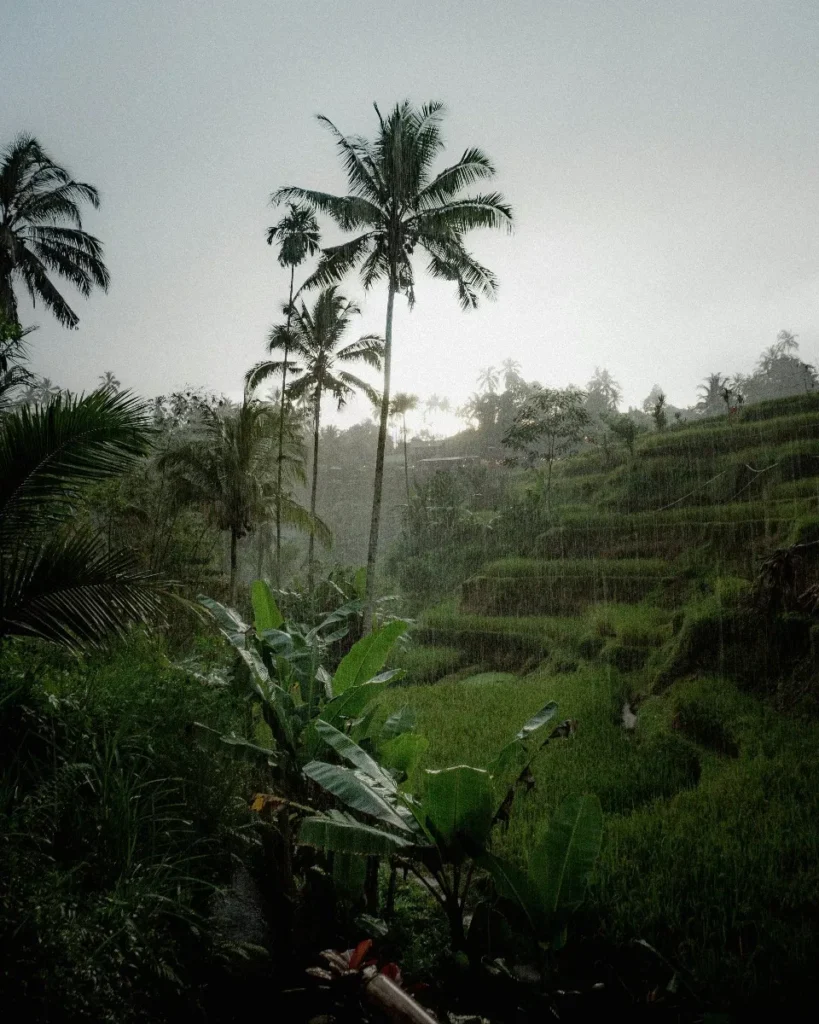
Rain Profile: The soaking core. These elevated regions catch clouds early and release them late, which means long, frequent rainfall and misty mornings. The reward is scenery so green it feels unreal, best enjoyed from a warm villa terrace.
Best For: Villa hermits, writers, long-stay travelers, and anyone who loves rain as ambiance.
What to Expect: Plans that rely on outdoor exploration can collapse fast. If you stay here, accept that you’re signing up for the fullest Bali rainy season experience.
The Trendy West: Canggu, Seminyak, Pererenan (West Coast)
Rain Profile: Afternoon drama. Mornings tend to be bright and workable; late afternoons often shift into loud thunderstorms rolling in off the ocean.
Best For: Digital nomads, repeat visitors, and anyone comfortable structuring their day around the weather.
What to Expect: Traffic becomes a small nightmare when the rain hits. Short trips turn into long crawls, and this is where having a driver becomes essential.

The Calm East & South: Sanur, Nusa Dua, Jimbaran Bay (Rain-Shadow Zones)

Rain Profile: The relative oasis. These areas sit in the rain shadow of the island’s mountains, receiving less consistent rainfall. When Ubud is drenched and Canggu is grey, Sanur might only see light drizzle.
Best For: First-timers, families, older travelers, and anyone who prefers predictability over trendiness.
What to Expect: You trade hype for calm. Resorts and quieter beaches dominate, and while the atmosphere is laid-back, you’re farther from the social buzz.
The Bukit Peninsula: Uluwatu, Bingin, Padang Padang (Southern Clifftops)
Rain Profile: Windy and sporadic. The Bukit gets less total rainfall, with quick storms that clear fast. Sunset chances here are higher than almost anywhere else during the Bali rainy season.
Best For: Surfers, sunset hunters, and travelers who thrive on dramatic landscapes.
What to Expect: Distances are longer and the terrain steeper. You’ll rely on transport more than in other regions.

Your Strategic Takeaway – Bali Rainy Season
Don’t pick a location just because it looks good on TikTok. In the Bali rainy season, geography shapes your entire experience.
• Minimize weather impact? Head east or south—Sanur, Nusa Dua.
• Want vibe but predictable afternoon interruptions? Go west—Canggu, Seminyak.
• Want the full jungle mood and don’t mind being soaked? Ubud and the highlands deliver.
• Chasing sunsets or surf? The Bukit is your calculated gamble.
〰️🌀〰️🌀〰️🌀〰️
5. RAINY SEASON TRAVELER PROFILES: MATCHING MONTHS TO MINDSETS

Knowing where to stay is only half the strategy. The real win comes from choosing when within the Bali rainy season to arrive. Each month has its own rhythm, its own temperament, and its own type of traveler who thrives under it.
Here’s the honest, month-by-month breakdown of who actually fits the forecast.
November — The Season’s Gentle Opening
The Vibe:
Sunny mornings, building humidity, and those first dramatic afternoon storms. The island shifts from dry gold to deep green.
Who Should Come:
The Savvy Strategist and the Repeat Visitor—people who understand they’re rolling the dice and are fine with it. Digital nomads also get great value before holiday prices kick in.
What to Expect:
It’s still mild by rainy-season standards, but the sudden downpours are real. Think of this as the bali rainy season on training wheels.
December — Peak Rain Meets Peak Crowd
The Vibe:
The full collision: heavy, frequent rain and holiday tourism at its highest. Humid, busy, festive, chaotic.
Who Should Come:
Almost no one—except couples who plan to hole up in a gorgeous villa and treat the month as a stay-in retreat.
What to Expect:
This is the hardest month. Daily downpours, inflated prices, and difficult traffic. If you’re sensitive to crowds or weather disruptions, December will test you.
January — The Deep, Quiet Soak
The Vibe:
The crowds disappear but the rain stays. Consistent showers, lush landscapes, and a slower, more contemplative mood across the island.
Who Should Come:
Honeymooners, villa hermits, writers, and travelers who want rest rather than movement. Accommodation prices drop sharply after New Year’s.
What to Expect:
Exploration is a gamble. Indoor days are the norm. If you thrive on quiet, this is your month.
February — The Turning Point
The Vibe:
Still wet, but no longer relentless. Rainy days start alternating with clearer breaks and longer sunny windows. The island feels lighter.
Who Should Come:
Flexible travelers, wellness tourists, yoga retreat guests, and anyone who enjoys a mix of cozy indoor days and opportunistic outdoor adventures.
What to Expect:
It’s still firmly the Bali rainy season, but with more variety. Pack for both outcomes.
March — The Season’s Soft Landing
The Vibe:
The shift is obvious. More sun than rain, lower humidity, and evenings that finally feel pleasant again. The entire island glows in peak green.
Who Should Come:
Smart first-timers, photographers, and anyone wanting value with a higher chance of good weather. It’s the strategic sweet spot.
What to Expect:
Showers still appear, mostly in short bursts. But they feel like a reset, not a disruption. The dry season is clearly in reach.
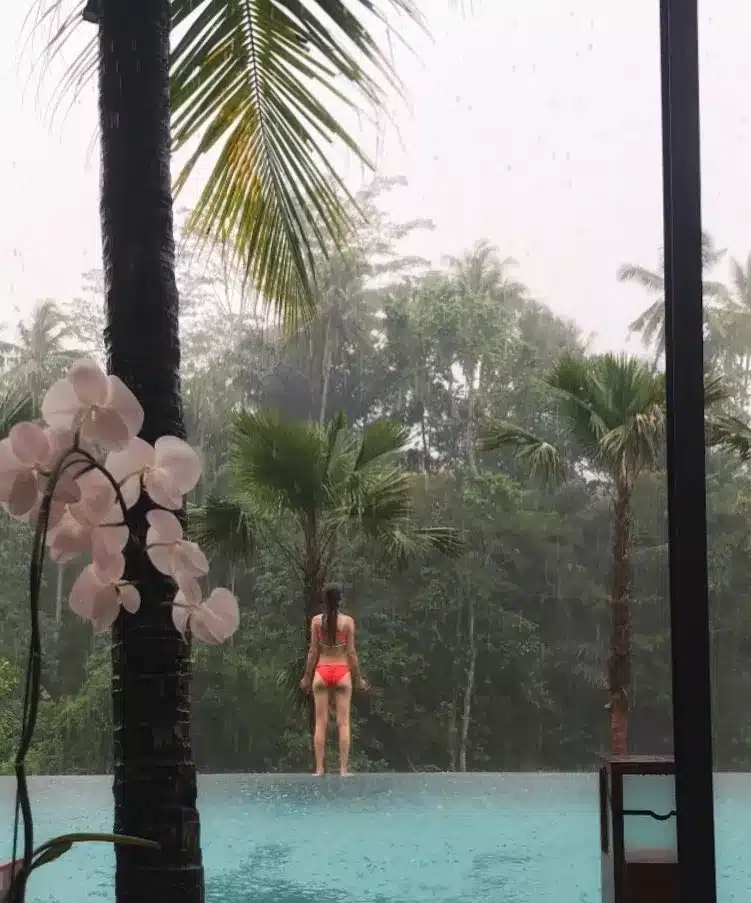
Your Final Calendar Insight
The Bali rainy season isn’t one long streak of storms—it’s a progression.
November warms up, December peaks, January soaks, February shifts, and March exclaims with relief.
Your best month depends entirely on your personality:
• Seeking the deepest green? January.
• Want better weather without losing the value? March.
• Like the dramatic mood swings? November or February.
• Want to test the waters but not drown? March again.
Now that you know the realities, the rules, the regions, and the rhythm, you’re ready for the final decision: Is the rainy season truly your season?
〰️🌀〰️🌀〰️🌀〰️
6. Should You Still Book It?

Here’s the simplest way to decide if a rainy-season trip makes sense for you.
The Quick Flowchart
First-timer in Bali?
Postpone. Come between April and October.
Your first visit deserves the classic version of Bali: sunsets, beach days, and clear skies. Rainy season won’t give you that.
Been to Bali before?
Your goal decides everything.
- Chasing beaches, sunsets, scooters, or temple photos?
Postpone. Most of these rely on good weather, and you’ll be fighting the rain more than enjoying the island. - Looking for rest, food, culture, cafes, spa days, or slow travel?
Go for it. Rainy season fits this kind of trip. Fewer crowds, cooler air, and a moodier version of Bali that many regulars enjoy.
The Bottom Line
Rainy-season Bali isn’t worse. It’s different.
If your plans depend on sunshine, wait.
If your plans depend on slowing down, you’ll do just fine.
〰️🌀〰️🌀〰️🌀〰️
7. The Honest Verdict Bali Rainy Season

Rainy-season Bali asks for a different mindset. It suits travelers who come for atmosphere, culture, good food, and slow days — not those chasing perfect skies or postcard moments. If this is your first visit, it’s worth waiting for the months when the island shows its full face. If you already know Bali and want a quieter, more reflective trip, this season can carry its own meaning.
For those who want official weather references, the BMKG updates are helpful for tracking patterns before you book.
Giostanovlatto, Founder of Hey Bali, puts it best:
“Bali is incredible, but the rainy season changes many things you imagine. Sunsets fade, the beaches aren’t at their best, travel moves slower, and those iconic photos become hard to catch. For a first visit, it’s simply not the ideal time. Come when Bali ‘wakes up’ — when the sun returns, the sea softens, and every iconic place feels alive again.”
Take the season for what it is, not what you wish it to be. If you choose it intentionally, you’ll enjoy a version of Bali that’s quieter, greener, and full of character.
〰️🌀〰️🌀〰️🌀〰️

Meet the Author :
Giostanovlatto has spent years decoding the practical realities of life in Bali—especially the seasonal shifts that visitors often misunderstand. He doesn’t write to sell a postcard fantasy or to scare anyone away, but to give travelers the clear-eyed, strategic insight that turns a good trip into a great one. His advice is forged from firsthand observation, countless conversations with local drivers and villa owners, and a firm belief that the smartest travel begins with honest expectations.