


































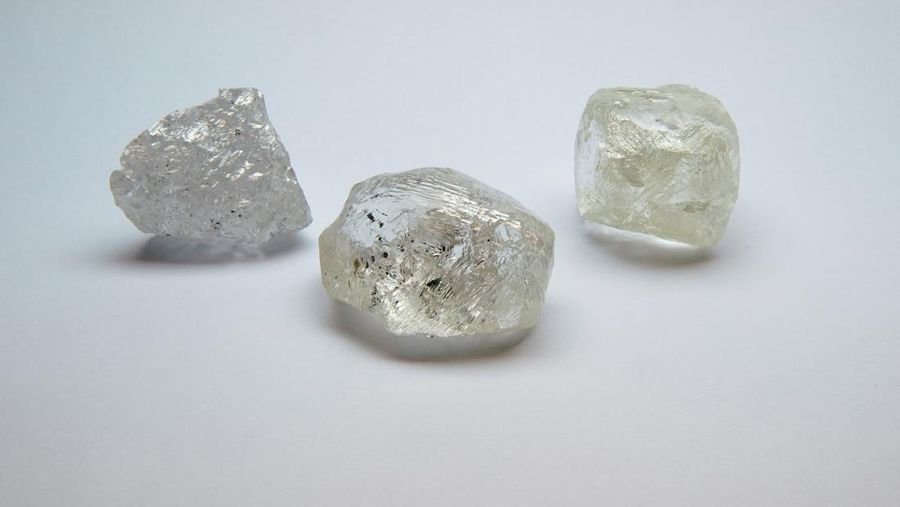
In 1965, Mat Sam discovered one of the world’s largest diamonds. Promised a pilgrimage and a reward, he watched as the state claimed the gem—a story of lost treasure and unanswered promises that echoes through Indonesia’s history.
KAMPUNG CEMPAKA, South Kalimantan — For a brief moment in August 1965, a man named Mat Sam held one of the most extraordinary gemstones ever found. While prospecting with four companions near his village, he unearthed a diamond of staggering size and clarity—a brilliant blue stone with reddish hues, weighing an astounding 166.75 carats.
News of the discovery, which local newspapers heralded as rivaling the legendary Koh-i-Noor diamond, spread rapidly. “The price is estimated at no less than tens of billions of rupiah,” reported Pikiran Rakjat on August 31, 1965, capturing the public astonishment.
Yet, the fantasy of life-changing wealth evaporated almost as quickly as it appeared. The diamond did not remain in Mat Sam’s possession. According to contemporary accounts, local authorities from the Pantjatunggal administration of Banjar Regency intervened, taking the stone to Jakarta to present it to President Sukarno.
Broken Promises and a Life Unchanged
Official narratives at the time suggested the diamond would be used for the development of South Kalimantan and to fund advanced mining technology. President Sukarno, it was reported, promised the finders a reward, including the fulfillment of the Islamic pilgrimage to Mecca, the Hajj.
But for Mat Sam and his fellow discoverers, those promises proved hollow. Two years later, in 1967, newspapers documented their plight. Kompas reported on September 11 that the men lived in “very concerning” poverty, a stark contrast to the diamond’s estimated value of 3.5 billion Rupiah at the time—a sum equivalent to approximately 15 trillion Rupiah today.
Their appeals for justice, channeled through legal representation to the Ampera Cabinet Presidium led by General Soeharto, faded into the historical record without a clear resolution. There is no verified account that Mat Sam ever received the promised Hajj or any substantial compensation.
A Legacy Beyond Value
The diamond itself, often referred to as the “Intan Trisakti” or simply the Kalimantan diamond, became state property. Its subsequent whereabouts are unclear, though it is believed to remain within Indonesia’s national collection of precious stones, a silent artifact of a transformative moment that brought no transformation to its finder.
Mat Sam’s story is more than a local anecdote; it is a poignant chapter in the complex relationship between individual fortune and state authority in Indonesia. It raises enduring questions about cultural heritage, resource ownership, and the ethics of how a nation’s treasures are claimed and curated.
For the global community reflecting on history, it serves as a reminder that the true value of a discovery is not always measured in carats, but in the justice afforded to those who make it.
Hey Bali News explores historical narratives from across the archipelago, providing context and perspective for our internationally-minded readers.