




























The city has activated 14 new flood detection devices along critical river points to provide real-time alerts, following last year’s deadly market floods.
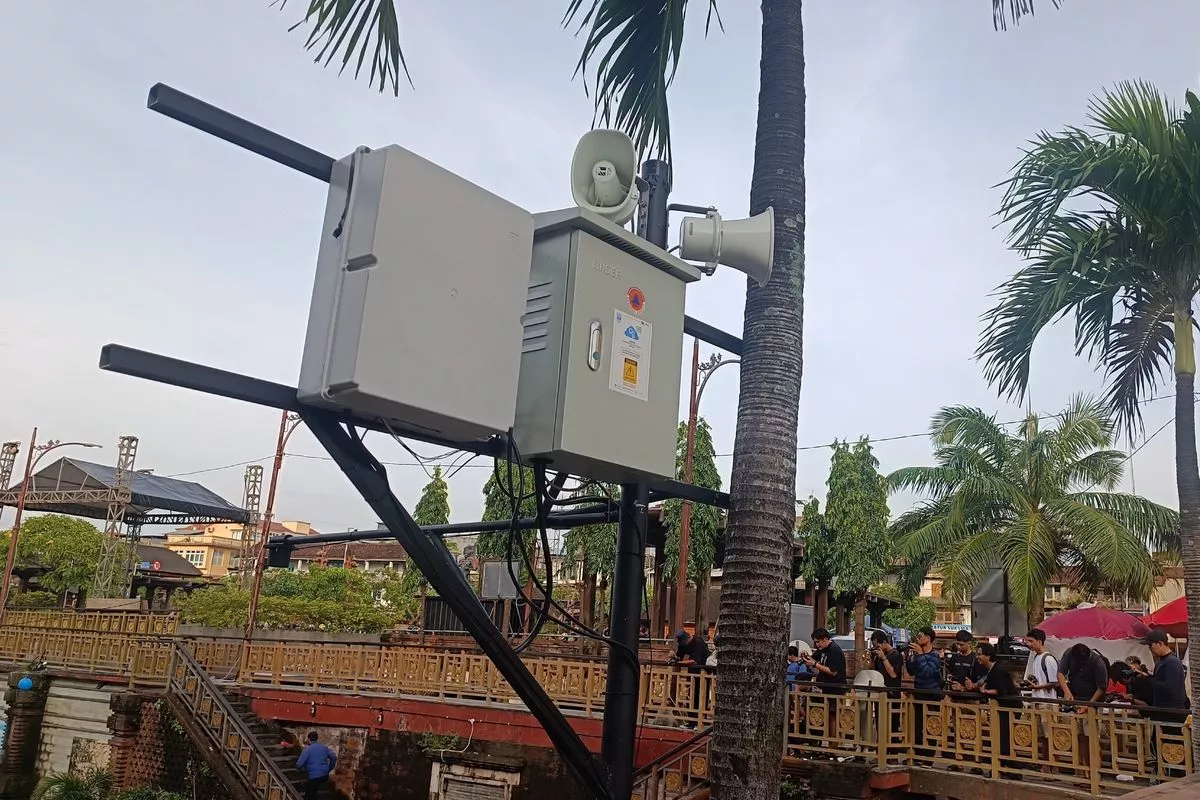
DENPASAR — In a significant move to enhance urban disaster preparedness, the Denpasar City Disaster Management Agency (BPBD) has activated a network of 14 early warning devices at strategic locations along major waterways. The installation, which began in October 2025 and was completed this month, aims to provide residents with critical lead time during sudden floods.
The devices are positioned at key bridges and water control points, including Kampung Jawa Bridge, the dam behind Wangaya Hospital, Pasar Bunga Bridge, the Badung-Kumbasari Market Bridge (Gajah Mada Bridge), BCA Hasanuddin Bridge, and Pekambingan Bridge.
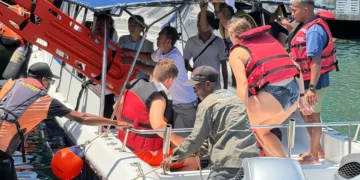
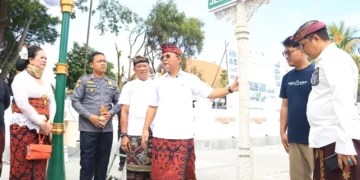
“The public needs to understand that this system is not to prevent floods, but to provide early warning information,” explained Ida Bagus Joni Arimbawa, Head of the Denpasar BPBD, during the activation ceremony at Kumbasari Market on Friday, January 22, 2026. “We hope that when the siren sounds, people will not panic but become vigilant, thereby preventing casualties.”
How the Warning System Works
The technology operates on a three-tier alert level based on water height:
- Level 1 (Alert/Caution): Siren sounds when water rises 50 centimeters above the normal surface.
- Level 2 (Standby): Activated at 116 centimeters.
- Level 3 (Emergency): Triggered at 266 centimeters, with a continuous 15-minute siren.
The sirens for Levels 1 and 2 can be set for durations starting at one minute. The alarm is audible up to approximately one kilometer away, designed to penetrate densely populated riverside neighborhoods and market areas.
Learning from Past Tragedy
The prioritization of market areas stems directly from a tragic event on September 10, 2025, when flash floods and landslides hit the city. Nine of the 18 fatalities were traders at Kumbasari Market and shop owners around Badung Market—both areas bisected by the Badung River (now part of the Tukad Korea Park).
“Last year’s experience showed that many victims were in riverine areas, including the markets,” Arimbawa noted. “In markets, there are many activities—traders, buyers. Traders inside may not know the conditions outside and focus on saving their goods. With this warning system, they can understand the situation and save themselves first.”
The initiative represents a proactive technological step by city authorities to safeguard its residents and commercial heart during Indonesia’s intense rainy season, shifting the focus from reactive response to informed early action.
Hey Bali News highlights this development as a crucial advancement in public safety infrastructure for Denpasar’s residents and business community.