



























A historical deep dive reveals how a childhood of legendary luxury in Semarang propelled Oei Hui-lan onto the world stage as a Chinese First Lady and diplomatic icon.
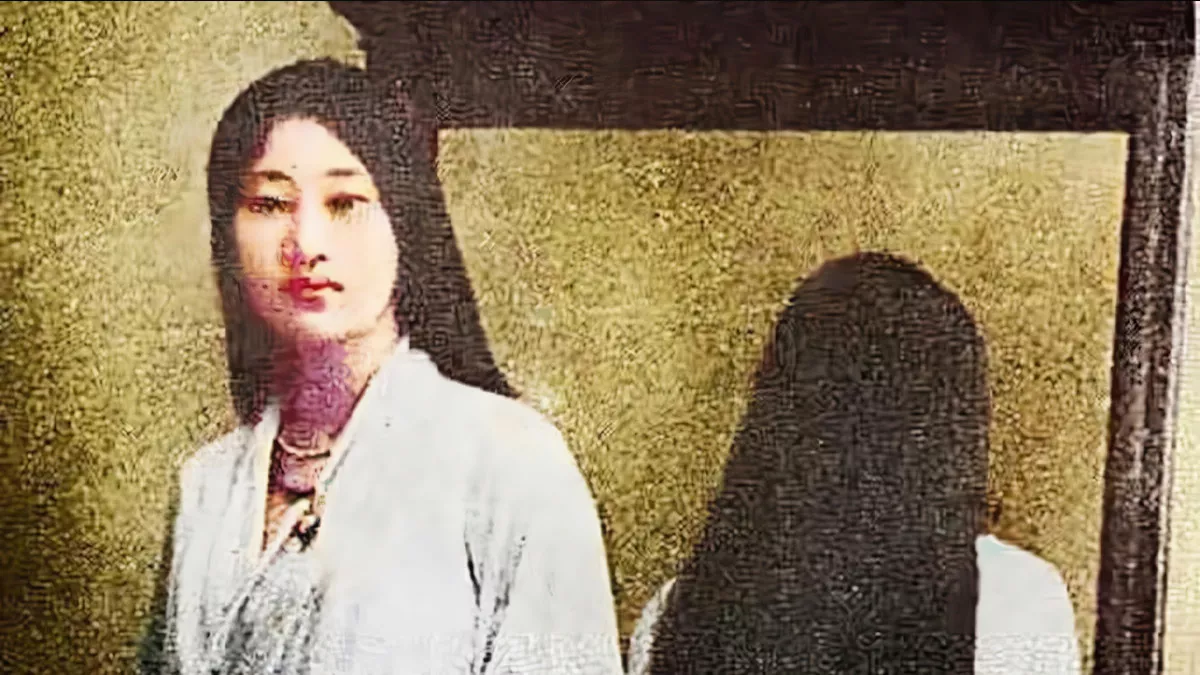
SEMARANG, Indonesia — Nestled within the complex tapestry of 20th-century Asian history is a remarkable thread that connects the archipelago of Indonesia to the highest echelons of Chinese leadership. It is the story of Oei Hui-lan, a woman born into legendary wealth in Semarang who would ascend to become a First Lady of China—a historical footnote that reveals the deep, personal intersections of trade, diaspora, and power in the region.
Daughter of the “Sugar King of the World”
Born on December 21, 1889, Hui-lan was not just any child of privilege. She was the daughter of Oei Tiong Ham, the undisputed “Sugar King of the World,” whose empire built one of the largest fortunes in the Dutch East Indies, a conglomerate worth hundreds of millions of guilders—a sum equivalent to tens of trillions in today’s Indonesian rupiah. Her childhood was a tableau of almost unimaginable opulence, set within a vast family compound spanning dozens of hectares in central Java.
A Semarang Childhood of Unparalleled Opulence
In her memoir, she recalled a life where luxury was mundane. The family estate boasted private villas, pavilions, and amenities rare for the era. Each birthday was an extravagant spectacle. “My father wanted my birthday party to be very special,” she wrote. “Whatever the cost, it was no problem to him.” This upbringing in Semarang’s elite peranakan Chinese society forged a woman of cosmopolitan taste and formidable social acumen.
Ascension to the Apex of Chinese Diplomacy
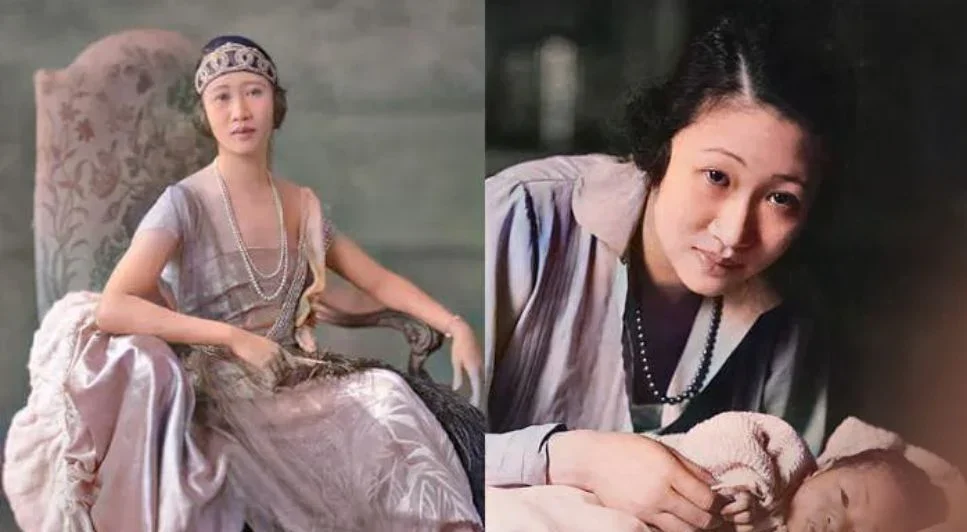
Her trajectory from Java to international prominence was sealed by her marriage to Wellington Koo (Gu Weijun), one of Republican China’s most distinguished diplomats and, later, its acting president. As Madame Wellington Koo, she presided over diplomatic salons in Paris, London, and New York in the 1920s and ‘30s, renowned as much for her fashion and fluency in multiple languages as for her sharp political mind. During Koo’s brief tenure as Acting President of the Republic of China in 1926-1927, she served as the nation’s First Lady, cementing her unique place in history.
A Legacy of Cross-Cultural Fluency for a Global Audience
For global readers and the international community in Bali, this story is more than a historical curiosity. It is a poignant reminder of the fluid identities and transnational narratives that have long characterized Southeast Asia. The tale of Oei Hui-lan—a Semarang-born daughter of a Javanese sugar magnate who became a Chinese First Lady and a global socialite—epitomizes the cross-cultural currents that have shaped the region for centuries. It underscores how personal histories in Indonesia are often inextricably woven into the broader fabric of Asian and global history.
A Lasting Imprint on History
Her legacy endures not only in diplomatic annals but also in the cultural memory of Semarang, where the remnants of the Oei Tiong Ham concern speak to an era when Indonesian commerce wielded world-influencing power. It is a narrative that challenges simplistic national stories, revealing instead a past of interconnected wealth, migration, and influence that feels strikingly modern.