
































The ground shook in Jember, East Java, on Tuesday afternoon. But the trembling did not stop there.
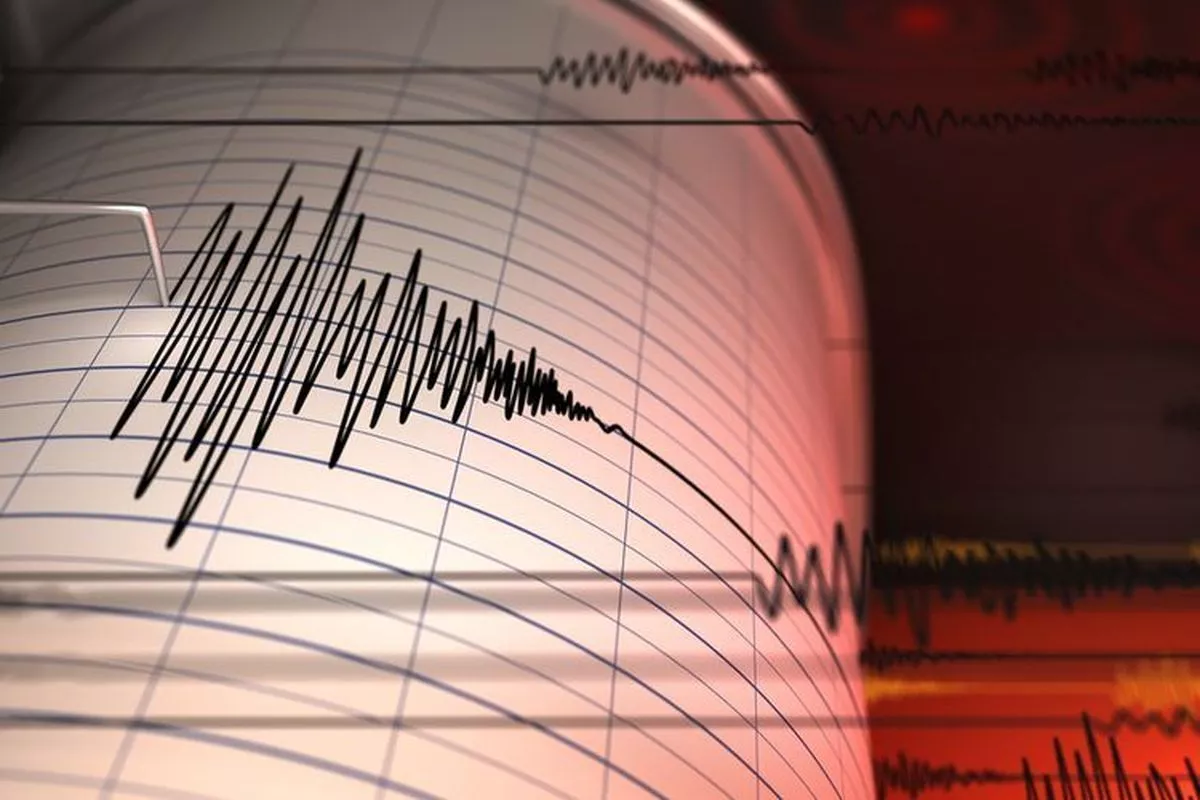
A magnitude 4.8 earthquake struck approximately 99 kilometers southeast of Jember at 3:39 PM local time, with a depth of only 14 kilometers. The shaking was felt across multiple regions — including Bali.
According to Indonesia’s Meteorology, Climatology and Geophysics Agency (BMKG), the quake was classified as shallow, triggered by rock deformation within the Earth’s plate with a strike-slip fault mechanism. There was no tsunami potential.
“The earthquake modeling results show that this earthquake does not have the potential to cause a tsunami,” said Wijayanto, director of earthquakes and tsunamis at BMKG.
Where It Was Felt
The intensity varied by location.
In Jember, the epicenter area, shaking reached IV MMI — a level where many people indoors feel the quake during the day.
Banyuwangi, the easternmost tip of Java and the main ferry point to Bali, experienced III to IV MMI.
Bondowoso, Kuta, South Kuta, and Malang reported III MMI — vibrations clearly felt inside homes, like a passing truck.
Denpasar registered II to III MMI — light shaking, noticeable indoors, with hanging objects swaying.
Blitar and Trenggalek felt II MMI — the lightest level, felt by only a few people.
For residents in Bali’s southern tourism belt — Kuta, South Kuta, and Denpasar — the quake was a reminder that the island sits close enough to Java’s seismic zones to feel the rumble, even when the epicenter is across the water.
In Lumajang: People Ran Outside
In Lumajang, a neighboring district to Jember, the shaking was strong enough to send people scrambling.
Imam, a local resident, said the quake produced a loud noise from his metal roof. “It felt strong. There was also a sound, like a tin being hit hard,” he told Kompas.com.
Another resident, Nawawi, said the shaking lasted approximately 10 seconds. He felt dizzy when he stood up from his chair. “Everyone felt it and said ‘earthquake.’ It lasted quite a long time,” he said.
Yudhi Cahyono, head of emergency and logistics at the Lumajang Disaster Mitigation Agency (BPBD), confirmed that residents felt the quake but reported no damage so far.
“Currently it is safe, there have been no reports of damage. We urge anyone affected to report immediately,” Yudhi said.
What This Means for Travelers and Expats
For tourists and expats in Bali, the quake was mild — barely noticeable to some, a brief moment of confusion to others. But the event carries a useful reminder.
Bali is not immune to earthquakes. While the island itself sits in a zone of lower seismic activity compared to regions like Lombok or the Mentawai islands, it remains close enough to active fault lines in the Java Trench and Flores back-arc thrust to feel significant tremors.
When a magnitude 4.8 quake strikes 99 kilometers offshore, Bali’s southern coast may sway gently for a few seconds. When a larger quake strikes closer, the consequences could be more serious.
For now, no damage has been reported. The ground has stopped moving. And Bali’s residents — local and foreign alike — have returned to their routines, with nothing more than a brief story to tell over dinner.
But the earth beneath Indonesia never stays still for long.