



































DENPASAR, Bali — Few international travel relationships are as enduring as the one between Australia and Bali.
For decades, Australians have filled Bali’s beaches, hotels, cafés, surf breaks, and airport arrival halls. For many, a holiday in Bali is less an overseas trip than an annual ritual. Now, that relationship could become even closer.
Indonesia is considering a proposal that would allow Australian citizens to enter Bali and the rest of Indonesia without a visa for short-term tourism visits, potentially removing one of the last administrative and financial barriers between the country’s largest tourism market and its most popular destination.
If approved, the move would eliminate the current Visa on Arrival (VoA) requirement that costs visitors approximately Rp500,000 (around AUD 50) per person and would mark one of the most significant changes to Indonesia’s tourism policy since the pandemic.
A Proposal With Major Implications
The proposal was put forward by Indonesia’s Ministry of Tourism as part of a broader effort to strengthen the country’s competitiveness in the global tourism market.
According to reports cited by Time Out on June 12, Australia is among several countries being considered for visa-free access, alongside New Zealand, Japan, South Korea, and India.
While discussions are still ongoing and no final decision has been announced, the proposal has already attracted considerable attention from airlines, tourism operators, hotels, and frequent Bali visitors.
The reason is simple: few countries matter more to Bali’s tourism economy than Australia.
Why Australia Matters So Much
Australia has long been Bali’s most reliable international tourism market.
Geography plays a major role. Direct flights connect Bali with major Australian cities including Sydney, Melbourne, Brisbane, Perth, Adelaide, and the Gold Coast. Travel times are relatively short, fares remain competitive, and the cultural familiarity between the two destinations has deepened over decades.
For Australian travelers, Bali offers something increasingly difficult to find elsewhere: an international holiday that is affordable, accessible, and familiar.
For Bali, Australian visitors represent more than arrival statistics.
They fill hotels during peak seasons, support thousands of local businesses, frequent restaurants and beach clubs, hire drivers, book tours, rent villas, and contribute significantly to the island’s tourism-dependent economy.
In recent years, Australia has consistently ranked among the largest sources of foreign visitors to Bali, making any policy change affecting Australian travel particularly significant.
What the Current Rules Require
For now, however, nothing has changed.
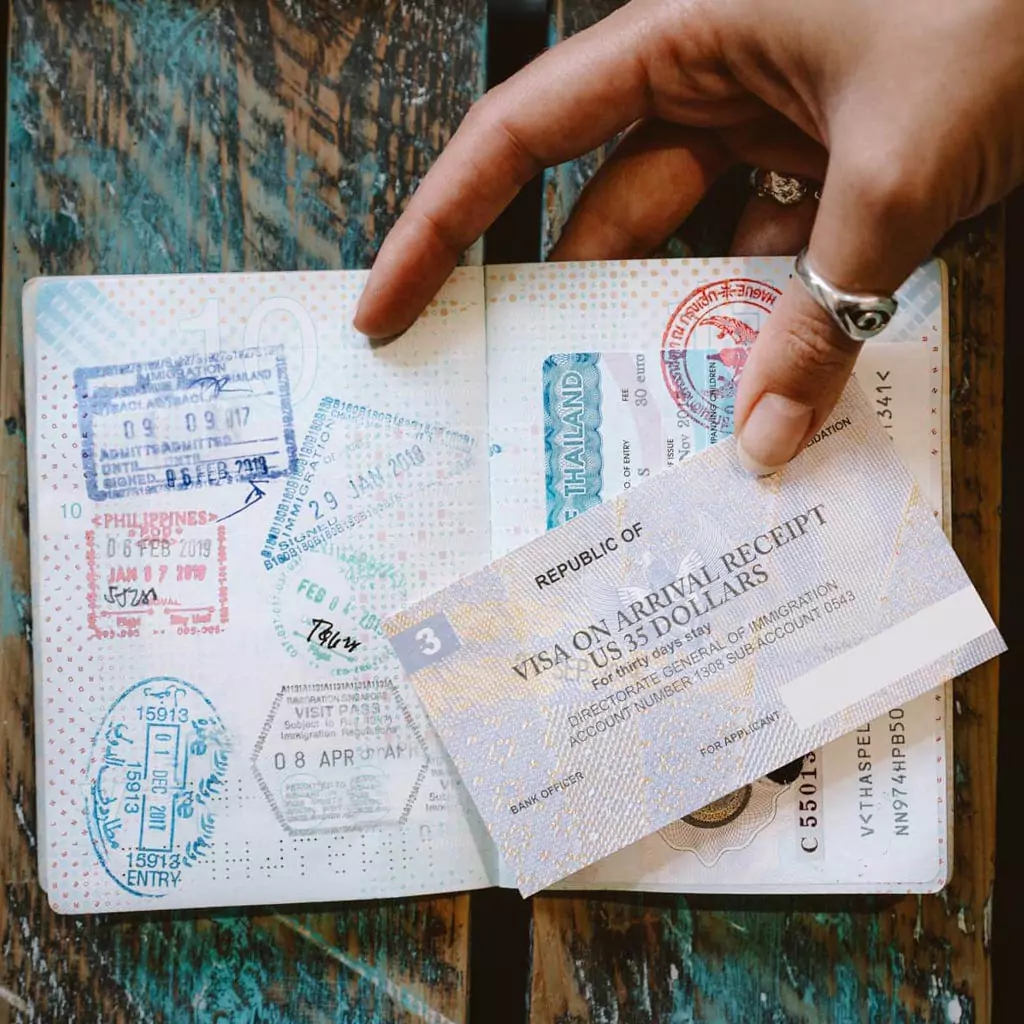
Australian passport holders must still obtain either a Visa on Arrival (VoA) or an electronic Visa on Arrival (e-VoA) before entering Indonesia.
The visa allows visitors to stay for up to 30 days and can be extended once for an additional 30-day period.
The current fee is Rp500,000 per person.
While the cost is relatively modest, it becomes more noticeable for families and frequent travelers. A family of four, for example, can spend the equivalent of AUD 200 simply on visa fees before paying for accommodation, transport, or activities.
Under the proposed visa-free arrangement, eligible Australian tourists could enter Indonesia for short-term leisure travel without paying the visa fee, making Bali holidays slightly cheaper and considerably more convenient.
Why Indonesia Is Considering the Change
The proposal arrives at a time when competition for international tourists is becoming increasingly intense across Asia-Pacific.
Thailand has expanded long-stay visa options and introduced new programs targeting remote workers and affluent travelers. Vietnam continues to attract visitors with competitive pricing and streamlined entry procedures. Malaysia has also introduced initiatives designed to attract international professionals and long-term visitors.
Against this backdrop, reducing travel friction has become an increasingly important policy tool.
For Indonesia, visa-free access represents a relatively low-cost strategy to encourage additional arrivals while strengthening relationships with key tourism markets.
Tourism officials view easier entry requirements as a way to support the continued recovery and growth of Indonesia’s visitor economy while reinforcing Bali’s position as one of Asia’s leading holiday destinations.
What Travelers Still Need to Know
Until the government formally approves the proposal, existing immigration rules remain fully in effect.
Australian travelers planning a trip to Bali should continue applying for a VoA or e-VoA and ensure they meet all current entry requirements.
Visitors must still:
- Hold a passport valid for at least six months from the date of entry.
- Possess a return or onward ticket.
- Complete Indonesia’s required digital arrival documentation.
- Pay Bali’s tourist levy, introduced to support cultural and environmental preservation programs across the island.
Importantly, the tourist levy is separate from immigration fees and would remain in place even if visa-free travel is introduced.

More Than a Visa Policy
The discussion extends beyond tourism paperwork.
A return to visa-free access would send a broader signal about Indonesia’s relationship with Australia and the importance of tourism as a bridge between the two countries.
For Bali, easier entry could help sustain visitor growth, encourage repeat travel, and reinforce the island’s status as the most accessible tropical destination in the region.
Yet the proposal also raises familiar questions.
Bali is already grappling with traffic congestion, infrastructure pressures, environmental concerns, and the challenges that accompany record visitor numbers. Making travel easier could increase arrivals further, bringing both economic benefits and new demands on public services and infrastructure.
A Decision the Tourism Industry Is Watching Closely
For now, the proposal remains under review as Indonesian ministries continue discussions on its feasibility and implementation.
No official timeline has been announced, and travelers should not expect immediate changes.
Still, the fact that visa-free access is once again being seriously considered reflects the strategic importance of Australia to Indonesia’s tourism ambitions.
Whether the proposal is ultimately approved or not, the debate itself highlights a simple reality.
For Bali, Australia is not just another tourism market.
It is one of the island’s closest international partners, a source of millions of visitors, and a relationship that has helped shape Bali’s modern tourism economy for generations.
If the visa requirement disappears, that connection may become even stronger.