




















DENPASAR, Bali — A policy designed to modernize Bali’s waste management system is producing unintended consequences on the ground.
Since April 1, 2026, organic waste has been banned from entering the Suwung landfill, the island’s primary disposal site. The goal was clear: reduce landfill pressure and push households toward waste separation.
But in practice, the transition has been uneven—and in some areas, counterproductive.
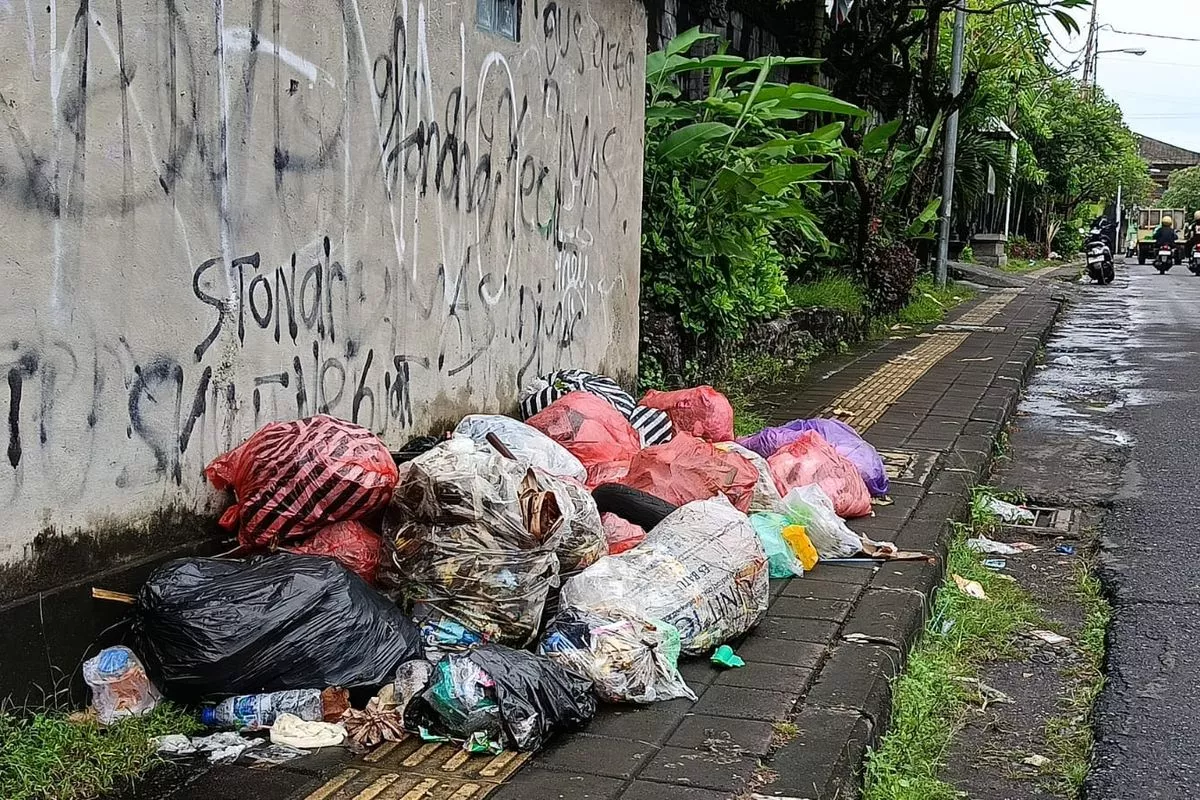
Across parts of Bali, residents have begun burning household waste or dumping it into rivers, creating a new layer of environmental risk just days after the policy took effect.
A Policy Meets Reality
The organic waste ban assumes a system that is not yet fully in place.
Households are expected to separate waste. Organic material should be processed locally, not sent to landfill. But for many residents, especially in dense urban areas, there is no immediate alternative.
Organic waste decomposes quickly in tropical heat. Within hours, it produces odor, attracts insects, and becomes difficult to store.
Faced with that reality, some residents are choosing the fastest solution available—not the most sustainable one.
Burn it.
Or throw it away.
Government Response: Between Tolerance and Enforcement
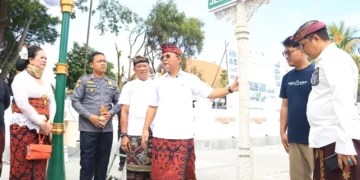
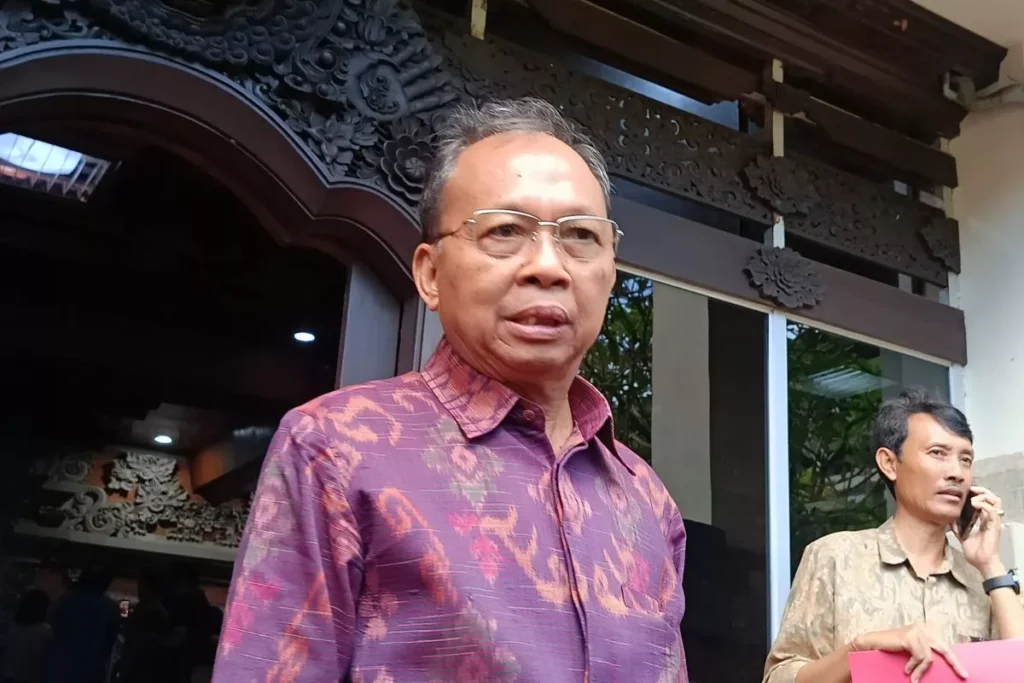
Governor Wayan Koster acknowledged reports of increased waste burning but offered a nuanced response.
Not all burning, he said, should be treated equally.
“I heard there are people burning waste. But not all burning is bad. If it’s wood or bamboo from religious offerings, that’s not a problem,” he said in Denpasar on April 7.
At the same time, the government is drawing a firm line on non-organic waste.
Burning residual or inorganic waste remains strictly prohibited, with authorities preparing enforcement measures, including minor criminal penalties (tipiring), in coordination with police.
Denpasar Mayor IGN Jaya Negara reinforced that stance, stating that residents will no longer be allowed to burn waste independently. Instead, the city plans to rely on local processing facilities such as TPS 3R and incinerators.
“No more community-level burning,” he said. “We will handle it through existing facilities.”
Rivers Become the New Pressure Point
If landfills are no longer absorbing organic waste, the burden is shifting elsewhere.
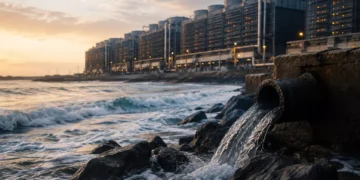
In Denpasar, that “elsewhere” is increasingly the river system.
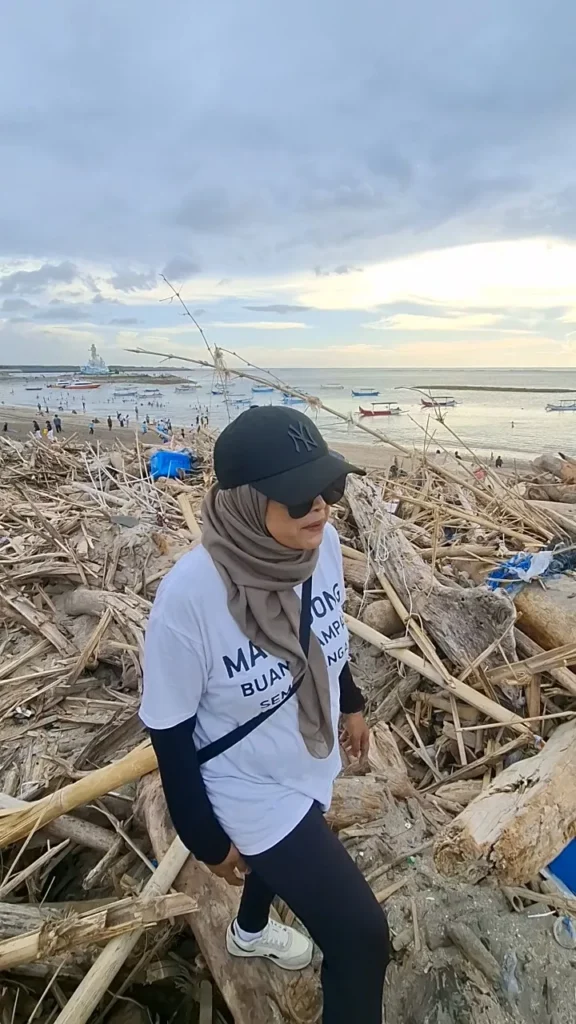
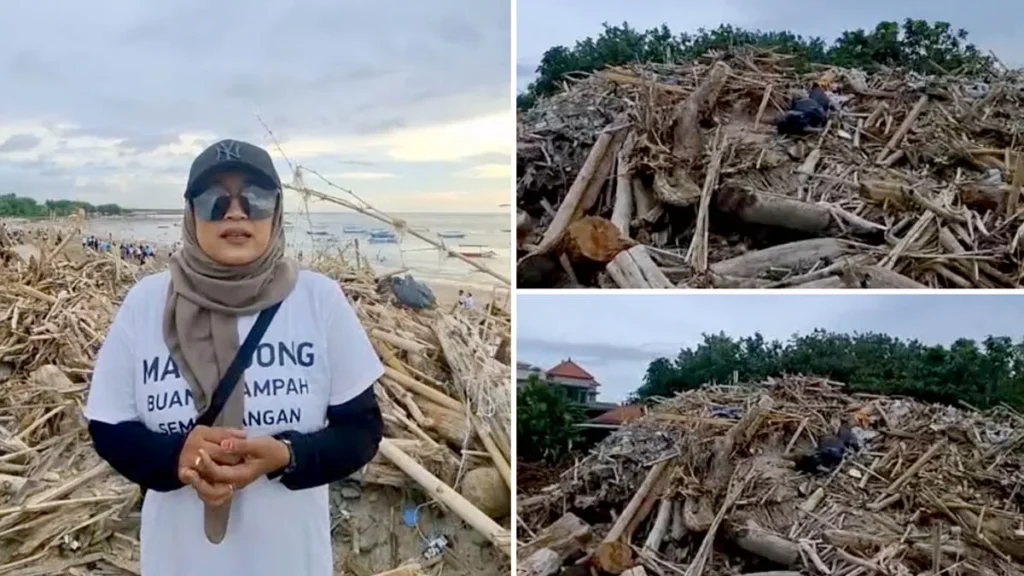
Local authorities report a sharp increase in waste collected from waterways. According to the city’s Public Works and Spatial Planning Office (PUPR), crews are now removing up to 7 tons of waste from rivers each day.
“Clearly there is an increase,” said Ketut Ngurah Artha Jaya, head of water resources at the agency.
The reason is not difficult to trace.
Residents who cannot store organic waste—and cannot send it to landfill—are discarding it into rivers as a last resort.
The environmental implications are immediate: blocked waterways, increased flood risk, and contamination in areas downstream.
Operational Strain on the Ground
The policy has also created new challenges for sanitation workers.
Waste recovered from rivers is rarely sorted. It arrives mixed—organic and inorganic materials bundled together in plastic or sacks.
Under current regulations, workers must separate the waste before it can be processed or transported further.
This slows down operations significantly.
At the same time, there has been no increase in manpower or equipment to handle the surge.
“No additional vehicles or personnel have been allocated,” Artha Jaya said. “The focus is still on processing facilities, not collection capacity.”
Despite the strain, emergency teams remain on standby around the clock to prevent blockages that could trigger flooding.
The Structural Gap
The intent behind the policy is not in question.
Reducing organic waste in landfills is a widely accepted environmental goal. Organic material produces methane, a potent greenhouse gas, when left to decompose in landfill conditions.
But the effectiveness of such a policy depends on timing.
In Bali, the ban has been implemented faster than the supporting infrastructure.
Composting systems are limited. Community-level processing is uneven. Public understanding is still developing.
The result is a gap between policy and practice.
And that gap is now visible—in smoke rising from burned waste, and in rivers carrying what landfills no longer accept.
What This Means for Residents, Expats, and Travelers
For visitors and expatriates, the effects may not be immediate—but they are not distant either.
Waste management in Bali is not isolated from daily life. It shapes air quality, water systems, and the overall experience of living on the island.
A policy designed to improve sustainability is now testing the system’s capacity to adapt.
The question is no longer whether change is needed.
It is whether the system is ready for it.
A Critical Moment for Bali’s Waste Strategy
Bali is attempting a necessary transition—from disposal to management, from landfill dependency to local processing.
But transitions are not defined by policy announcements.
They are defined by what happens after.
Right now, what is happening is clear:
Waste is still being produced.
But its destination is shifting—from landfill to fire, from trucks to rivers.
Until infrastructure, enforcement, and public behavior align, the island risks replacing one environmental problem with another.
And in Bali, those problems rarely stay hidden for long.