


































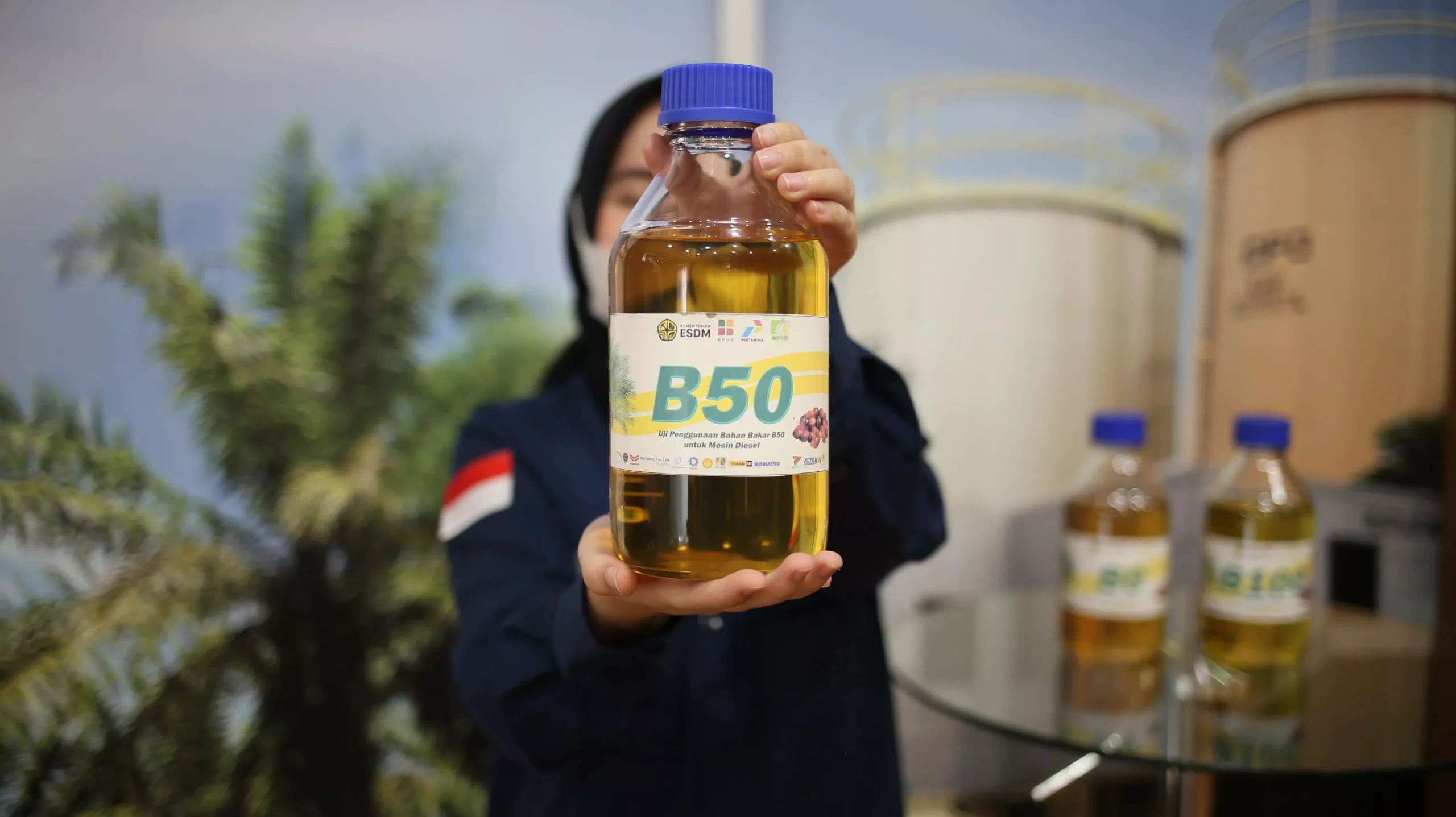
JAKARTA, Indonesia — On July 1, Indonesia will launch one of the world’s most ambitious biofuel programs yet: a new diesel blend made from 50 percent palm oil.
Known as B50, the fuel combines conventional diesel with biodiesel derived from crude palm oil, increasing the biofuel portion from the current B40 mandate. The government says the move is a major step toward energy independence, reducing reliance on imported fuel while boosting demand for one of Indonesia’s most important export commodities.
The rollout will proceed as scheduled despite final testing still being underway.
Energy and Mineral Resources Minister Bahlil Lahadalia confirmed this week that B50 will officially enter the market on July 1, with a final evaluation meeting expected within the next seven days.
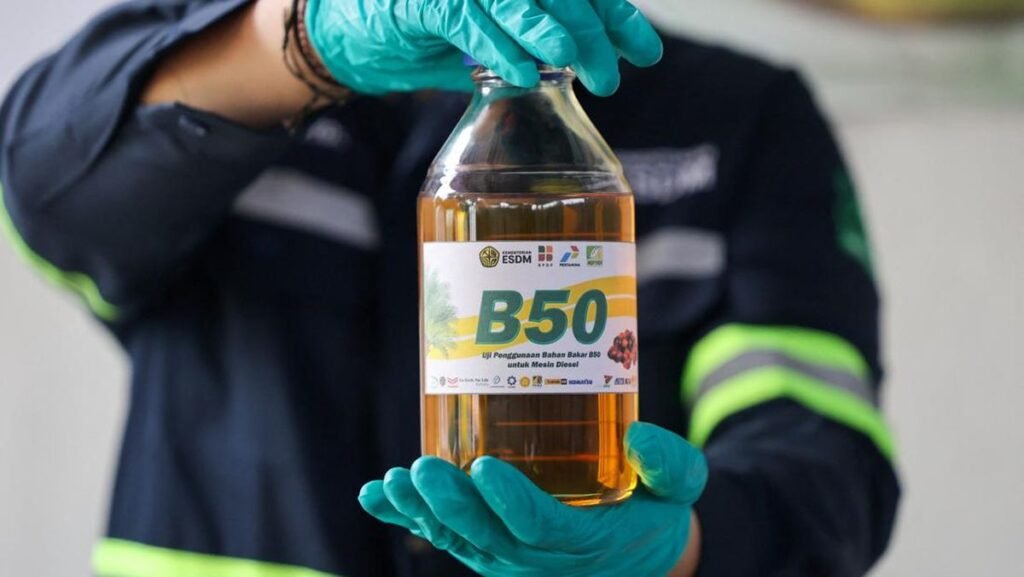
“B50 will be implemented according to schedule on July 1, 2026,” Bahlil said. “We are still conducting tests, and approximately 80 to 90 percent of the trial parameters have shown positive results.”
According to the minister, preliminary testing suggests B50 has performed better than expected, including improvements in water-content levels compared with the current B40 blend.
A Global First in Scale
While biodiesel programs exist around the world, Indonesia’s plan stands apart because of its scale.
Many countries blend small amounts of biofuel into conventional diesel. The European Union commonly uses blends ranging from B7 to B10. The United States typically operates between B5 and B20 depending on the region and application.
Indonesia is preparing to jump to B50 nationwide.
If fully implemented, it would become one of the highest mandatory biodiesel blends ever adopted by a major economy.
The policy reflects a broader strategy pursued by Jakarta over the past decade: using the country’s vast palm oil industry to strengthen energy security while reducing exposure to volatile global oil markets.
The Promise: Less Imported Fuel, More Domestic Energy
Government officials argue the benefits could be substantial.
B50 is expected to increase domestic consumption of palm oil while reducing the need for imported diesel fuel. Indonesia remains one of the world’s largest fuel importers despite being a major producer of energy commodities.
By replacing a larger portion of diesel with domestically produced biofuel, policymakers hope to keep more money inside the country while supporting millions of workers linked to the palm oil industry.
The biodiesel sector has become increasingly important to Indonesia’s economic strategy, particularly as global energy markets remain vulnerable to geopolitical tensions and supply disruptions.
For policymakers, every liter of biodiesel produced locally represents one less liter of imported fuel.
The Questions Nobody Can Ignore
Yet the transition is not without controversy.
Energy economists have long debated whether Indonesia’s biodiesel program delivers the economic benefits often cited by officials.
Critics argue that while biodiesel reduces diesel imports, it also diverts large quantities of palm oil away from export markets. That trade-off can reduce export earnings while increasing the financial burden of supporting the program through government-backed incentives.
Others question whether fuel distribution networks, storage facilities, and transportation fleets are fully prepared for a nationwide B50 rollout.
Industry groups have previously warned that higher biodiesel concentrations may require additional maintenance and monitoring, particularly for heavy vehicles and older diesel engines.
Environmental concerns remain another source of debate.
Supporters point to lower fossil fuel consumption and potential reductions in greenhouse gas emissions. Critics counter that expanding domestic palm oil demand could place additional pressure on agricultural land and raise broader sustainability questions.
The result is a policy that sits at the intersection of energy security, industrial strategy, environmental policy, and global commodity markets.
Why Bali Should Pay Attention
For residents, businesses, and visitors in Bali, the introduction of B50 is unlikely to create immediate changes at the fuel pump.
However, the long-term implications could be significant.
Bali’s tourism industry depends heavily on transportation. Tour operators, logistics companies, hotels, restaurants, delivery services, and millions of motorcycle users all rely on stable fuel supplies.
If B50 succeeds in reducing Indonesia’s exposure to global fuel shocks, it could help improve long-term energy stability across the country, including in tourism-dependent regions such as Bali.
If challenges emerge, however, the effects would likely ripple through transportation costs, logistics networks, and eventually consumer prices.
A High-Stakes Energy Gamble
The July 1 launch marks more than the introduction of a new fuel.
It represents a national bet that Indonesia can leverage its position as the world’s largest palm oil producer to achieve greater energy independence.
The early test results may be encouraging, but the real examination begins once B50 moves from laboratories and pilot programs into trucks, buses, ports, factories, and fuel stations across the archipelago.
The question is no longer whether Indonesia can produce B50.
The question is whether one of the world’s most ambitious biofuel experiments can deliver on its promise without creating new economic, environmental, and logistical challenges along the way.