


































DENPASAR, Bali – Indonesia’s anti-corruption commission has uncovered new details in an alleged extortion network operating within Bali’s immigration offices, revealing that visa agents were systematically coerced into making illegal payments to ensure that foreign nationals’ residence permit applications were processed.
The Corruption Eradication Commission (KPK) disclosed the findings on Friday following the interrogation of six witnesses at the Denpasar Police headquarters a day earlier. According to KPK spokesman Budi Prasetyo, investigators have established that agents were effectively held hostage by a “pay-to-click” system at the Ngurah Rai and Denpasar immigration offices.
“If the agents did not hand over money at the service counters, their applications—whether for KITAS, KITAP, or other permits—would be deliberately obstructed and left ‘unclicked,'” Budi told reporters on Friday.
A System of Coercion
The six witnesses questioned on Thursday included the director of CV Visa Agung Bali, identified only as GAW; two operational and finance staff members from the same agency, GRW and STD; two self-employed individuals identified as MNC and AGN; and AUD, a staff member of PT Bali Soft who also serves as an agent.
Investigators are focusing on allegations that payments were demanded beyond the official state levy rates (Penerimaan Negara Bukan Pajak, or PNBP) at both immigration offices. The testimony of these witnesses, Budi emphasized, is critical to establishing the elements of extortion under Article 12e of Indonesia’s Anti-Corruption Law.
“This testimony strengthens our case in fulfilling the legal elements of extortion,” Budi said.
Evidence Seized
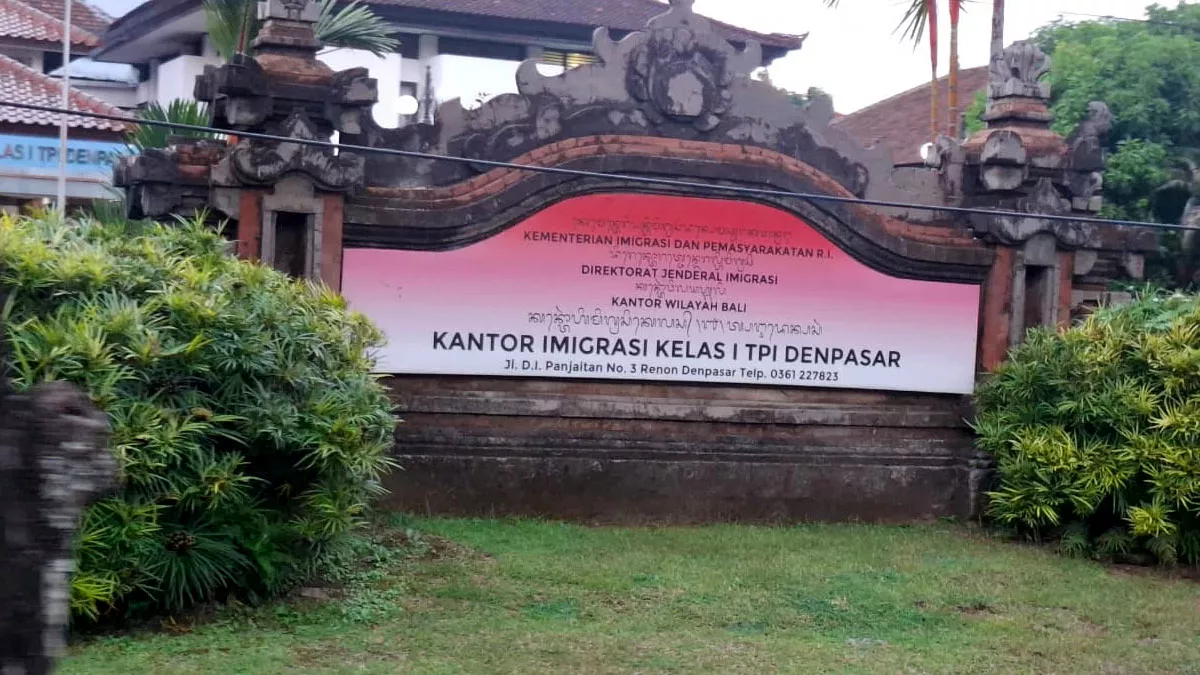
The investigation has been progressing rapidly. Between June 17 and 19, KPK investigators raided the Denpasar Class I Immigration Office and two visa processing agencies, seizing electronic evidence and documents. These items are now being analyzed to further corroborate the case.
The KPK has not disclosed the full extent of the evidence collected, but the seizures suggest that the commission is building a comprehensive paper and digital trail to support its allegations.
A Wider Crackdown
The Bali investigation is part of a broader KPK probe into systemic corruption within Indonesia’s immigration directorate. Earlier this month, the commission detained Deputy Minister of Immigration and Corrections Silmy Karim and seven other officials in connection with an alleged extortion scheme that reportedly generated at least 145.5 billion rupiah (approximately $9.5 million) in illicit funds over a four-year period.
In that case, investigators uncovered a sophisticated network of payments, with officials using coded language—such as “angels” for senior officials and “vocalists” and “guitarists” for various recipients—to disguise the distribution of proceeds. The funds were allegedly channeled through nominee bank accounts and used for personal expenses, asset purchases, and even business ventures.
Implications for Bali’s Expatriate Community
For the tens of thousands of foreign nationals navigating Indonesia’s notoriously complex immigration bureaucracy, the revelations will come as little surprise. Whispers of “fast-track” fees and unofficial charges have long circulated within expatriate circles. However, the scale of the alleged operation—and the KPK’s aggressive pursuit of the case—marks a watershed moment in the fight against graft on the island.
The investigation has also drawn attention from diplomatic missions in Jakarta, many of which have expressed concern over the treatment of their citizens in visa-related matters. As Bali continues to position itself as a premier destination for digital nomads, retirees, and investors, the integrity of its immigration system remains a critical component of its appeal.
What Comes Next
The KPK has signaled that its investigation is far from over, with more witnesses expected to be called in the coming weeks. The commission has also established channels for whistleblowers and affected parties to come forward with information.
For now, the message from the KPK is clear: the era of impunity for immigration officials who exploit foreign nationals may be drawing to a close. Whether that translates into lasting reform remains to be seen—but for Bali’s expatriate community, the investigation has already struck a chord.
For expats and visitors: The KPK encourages anyone with relevant information about irregular practices in visa processing to contact the commission through its official channels. The investigation remains active, and further arrests or charges have not been ruled out as authorities work to dismantle what appears to be a deeply embedded network of corruption within Indonesia’s immigration system.