































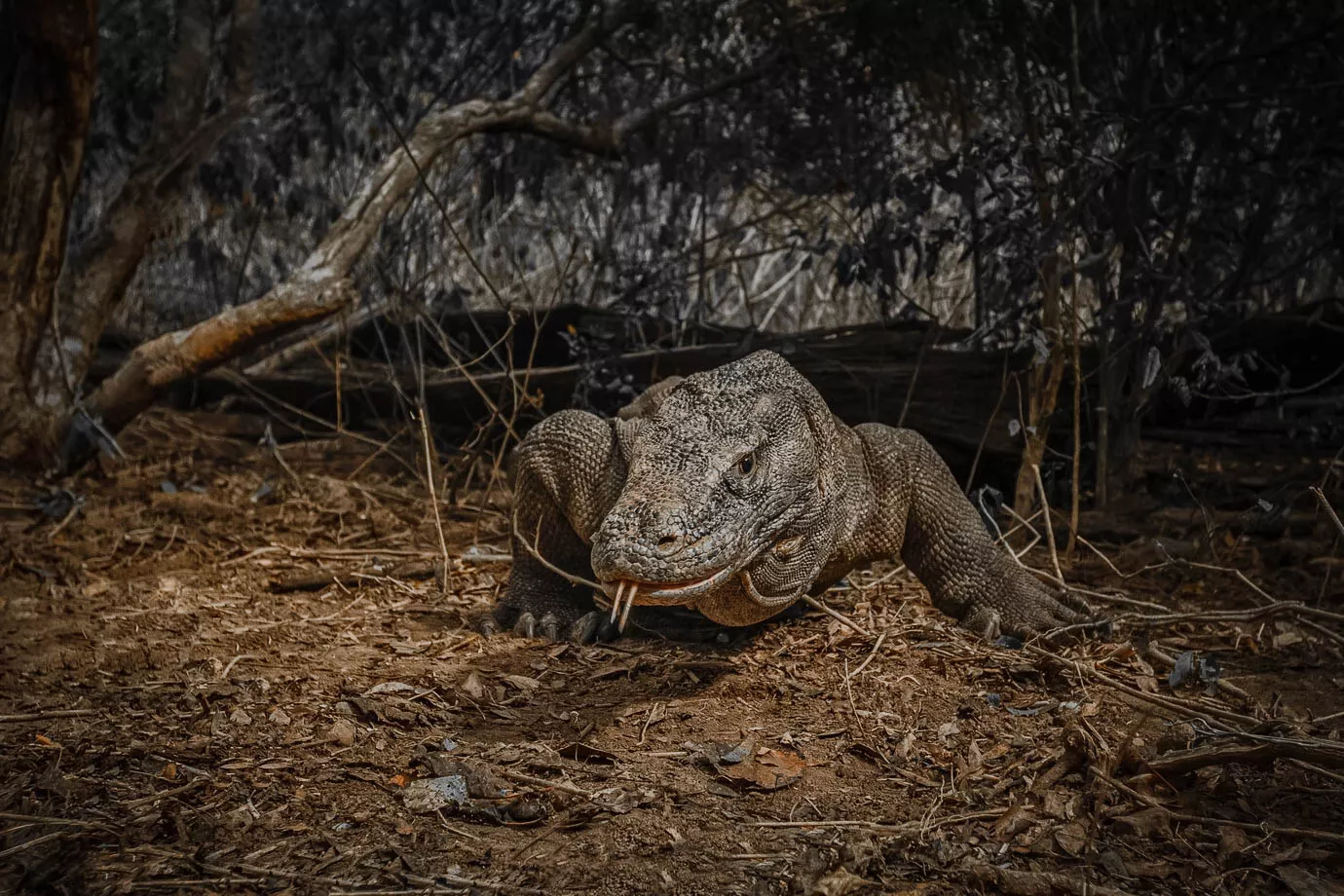
After a month-long closure, access to the iconic dragon habitat is restored under stricter maritime safety measures, including a ban on after-dark voyages.
LABUAN BAJO, Indonesia — Komodo National Park, the UNESCO World Heritage site and home to the planet’s largest lizards, has reopened its doors to tourists. The decision, announced Wednesday, ends a closure of over a month that was triggered by severe weather and maritime safety concerns. However, visitors returning to the park will encounter a significant new regulation: a permanent ban on all tourist vessel movements within park waters after dark, effective immediately.
The park’s management, Balai Taman Nasional Komodo (BTNK), stated the reopening was authorized following improved weather forecasts from Indonesia’s Meteorology, Climatology, and Geophysics Agency (BMKG). The lengthy suspension of all tourism activities stemmed from earlier, blanket closures of maritime travel in the region due to dangerous winds and high waves.
A Focus on Safety: Eliminating Nocturnal Risks
The new “no night sailing” rule is the most concrete change emerging from the recent safety review. “Tourism sailing activities while within the Komodo National Park area are not to be conducted at night,” emphasized BTNK Head Hendrikus Rani Siga, known as Hengki. This regulation aims to mitigate the inherent risks of navigating the park’s often-treacherous waters—with strong currents and sudden squalls—in low visibility.
The rule formalizes and expands on the cautious practices of many reputable tour operators. It is part of a broader directive urging all tourism businesses, boat captains, guides, and visitors to prioritize maritime safety by closely monitoring maritime weather reports and heeding all official advisories.
A Cautious Return with Digital Gatekeeping
The reopening is not a simple reversion to the status quo. Authorities are mandating strict adherence to existing ticketing systems to manage visitor flow and ensure oversight. All tourists must now secure their entry tickets in advance through the official “SiOra” application before arriving at the park—a measure intended to streamline access and prevent overcrowding at entry points.
For Bali-based travelers, expatriates, and international tourists, the reopening of Komodo is a welcome relief for long-planned itineraries. However, the new regulations signal a maturation of the destination’s management toward a model that prioritizes safety and sustainability over unregulated access.
The night-sailing ban, in particular, will require adjustments for multi-day liveaboard trips, which often feature early morning or late afternoon transits between islands. It underscores a shifting paradigm in Indonesian tourism, where world-class natural wonders are increasingly governed by protocols designed to protect both visitors and the fragile ecosystems they come to see. The message from Labuan Bajo is clear: the dragons are accessible once more, but the journey to see them must now adhere to a stricter, safer daylight schedule.