































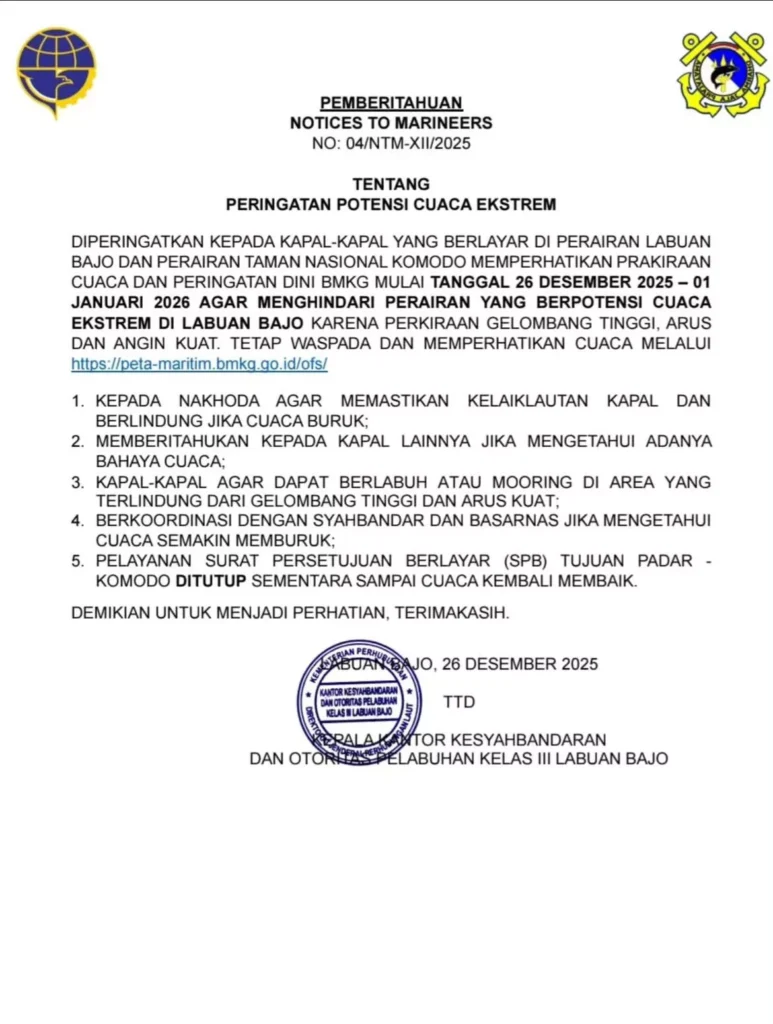
LABUAN BAJO, Indonesia — In a decisive move that will directly impact year-end holiday travel plans, maritime authorities have officially suspended access to the most iconic destinations within Komodo National Park. The Class III Harbormaster and Port Authority (KSOP) of Labuan Bajo has issued a formal early warning, halting all approved voyages to Padar Island and Komodo Island due to forecasts of extreme sea conditions.
The official Notice to Mariners (No: 04/NTM-XII/2025) mandates a safety closure in effect from December 26, 2025, through January 1, 2026. Citing data from the Indonesian Meteorology, Climatology, and Geophysics Agency (BMKG), the notice warns of high waves, strong currents, and intense winds forecast for the waters of Labuan Bajo and the Komodo National Park area. In response, the KSOP has temporarily stopped issuing the crucial Sailing Approval Letters (SPB) required for vessels to travel to Padar and Komodo.
A Direct Impact on Tourism and Travel
This closure represents a significant disruption during one of the region’s peak tourism seasons. Thousands of international travelers and expatriates from Bali and beyond flock to East Nusa Tenggara at this time for diving expeditions and tours to see the famed Komodo dragons. The directive effectively “locks” access to the dramatic hills of Padar and the dragon-inhabited southern coasts of Komodo Island, prioritizing maritime safety over holiday itineraries.
Authorities have issued strict instructions to all vessel captains (nakhoda): ensure their craft is seaworthy, seek immediate shelter if conditions deteriorate, anchor only in protected areas, and coordinate directly with the harbormaster and the National Search and Rescue Agency (BASARNAS) in any emergency.
The Ripple Effect: What This Means for Bali-Based Travelers
For the global community in Bali—a primary gateway for tourists heading to Komodo—this official notice requires immediate attention and flexibility.
- Confirmed Cancellations and Reroutes: Travelers with booked boat tours or liveaboard diving trips to Komodo National Park between now and New Year’s Day should contact their operators immediately. Legitimate tours will have already rerouted to alternative, safer sites within the park, such as Rinca Island, or may be offering rescheduling options.
- Safety Over Sightseeing: This formal closure is a non-negotiable safety protocol. The conditions described—high swell and strong currents—pose a severe risk to small and medium-sized tourist vessels. Respecting this authority-mandated decision is paramount.
- A Reminder of Regional Weather Connectivity: This incident underscores how weather systems affecting one part of the Indonesian archipelago can impact travel plans in another. The swell affecting Komodo is generated by the same broader meteorological patterns that can bring heightened rainfall and surf to Bali’s southern coasts during the rainy season.
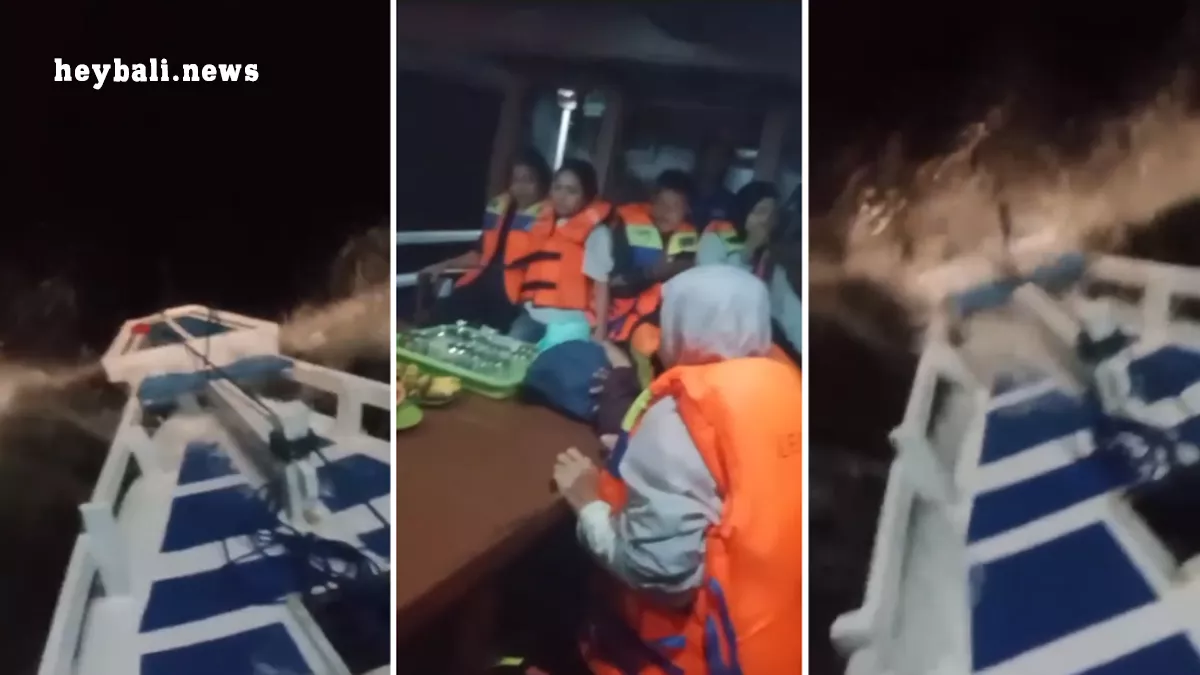
VIDEO: “God, are we sinking?”
— Hey Bali (@Heybaliinfo) December 27, 2025
A terrifying night at sea near Padar Island, Komodo National Park.https://t.co/X6mca7HXNn#VIDEO #Komodo #PadarIsland #LabuanBajo #Indonesia #BreakingNews #SeaConditions #ExtremeWeather #MaritimeSafety #BaliTravel #HeyBaliNews pic.twitter.com/Myal561uQa
Broader Implications for the Wet Season
While Bali itself is not under an official maritime closure, the situation in Komodo serves as a critical case study for the December to March wet season. It highlights the importance of:
- Checking Regional Forecasts: Before booking inter-island travel or marine activities, consult the BMKG for broad regional warnings.
- Choosing Reputable Operators: Companies with strong safety cultures will proactively communicate changes and never risk passenger safety for a scheduled tour.
- Embracing Flexibility: The beauty of the Indonesian archipelago is matched by its dynamic weather. A flexible travel mindset is the key to a safe and enjoyable experience.
The temporary closure of Komodo’s crown jewels is a sobering reminder of nature’s authority. It demonstrates a responsible, if inconvenient, approach to risk management—one that ensures the long-term safety of the tourism industry and the travelers who seek its wonders. For those whose year-end plans are affected, the message is clear: the dragons will still be there when the seas calm.