


























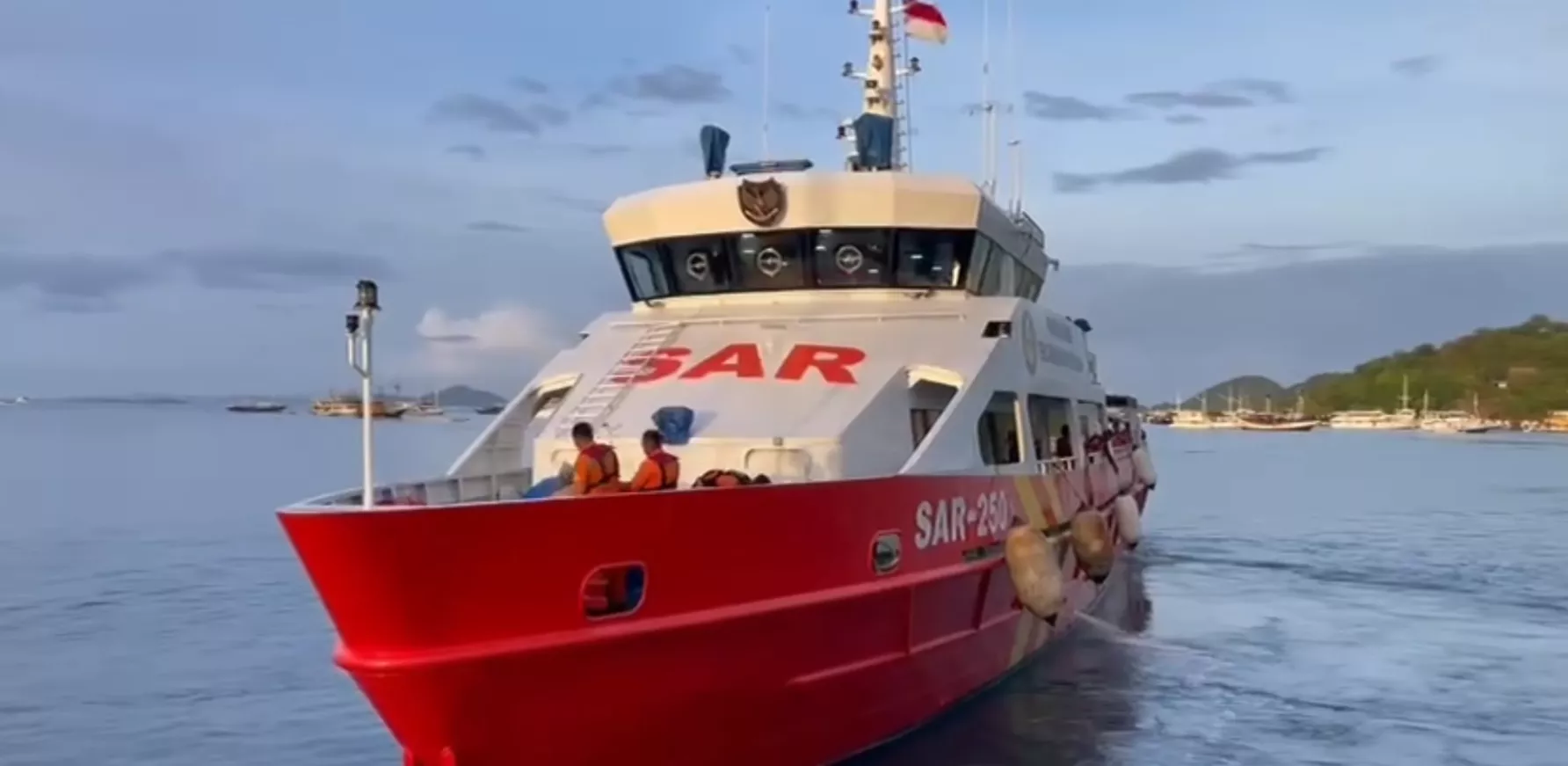
LABUAN BAJO, Indonesia — In one of the most methodical and geographically precise maritime search operations in recent Indonesian history, rescue teams are continuing their desperate mission to locate the two missing sons of Valencia CF coach Fernando Martín Carreras. The effort involves a highly coordinated fleet divided into seven specialized units, each scouring a meticulously plotted sector of the Komodo Sea.
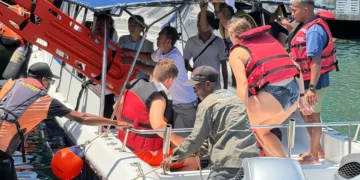
The operation, now extended for a second time, is focused on the Last Known Position (LKP) of the sunken KM Putri Sakinah in the Padar Strait. To cover the vast and challenging seascape, the joint Search and Rescue (SAR) command has deployed a strategy of dividing the search area into a grid managed by distinct Search and Rescue Units (SRUs).
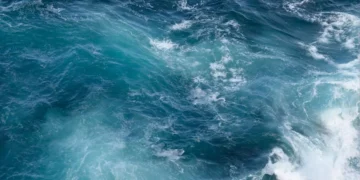
“Today, the Joint SAR Team is conducting the search around the LKP using a sea surface sweeping method. All SAR elements are deployed according to the division of SRUs,” stated Fathur Rahman, Head of the Maumere SAR Office and the mission coordinator.
Each SRU has been assigned a specific vessel and a set of geographic coordinates defining its patrol zone. For instance, SRU I, utilizing several vessels including the lead ship KN Puntadewa, is responsible for a massive 35.8-nautical-mile sector to the northwest. SRU V is dedicated to a more focused, 4.55-nautical-mile box using hydrographic nav (Hidronav) equipment for underwater detection near the suspected primary wreckage area.
This systematic, grid-based approach transforms the overwhelming expanse of open ocean into manageable, accountable search boxes. It represents a shift from broad sweeps to a forensic examination of the seabed and currents where the father and daughter were previously recovered.
As the teams work within their designated coordinates—a complex patchwork of polygons overlaid on the Komodo archipelago—the operation underscores the immense scale of the challenge. The search for the two boys is no longer a simple sweep; it is a detailed, digital-age hunt, mapping hope against the unforgiving mathematics of the deep sea.













Comments 1