
































MAUMERE, Indonesia — Travelers heading to Bali, Labuan Bajo, Komodo National Park, and Indonesia’s eastern islands are once again being reminded that volcanic activity can rapidly alter travel plans across the region.
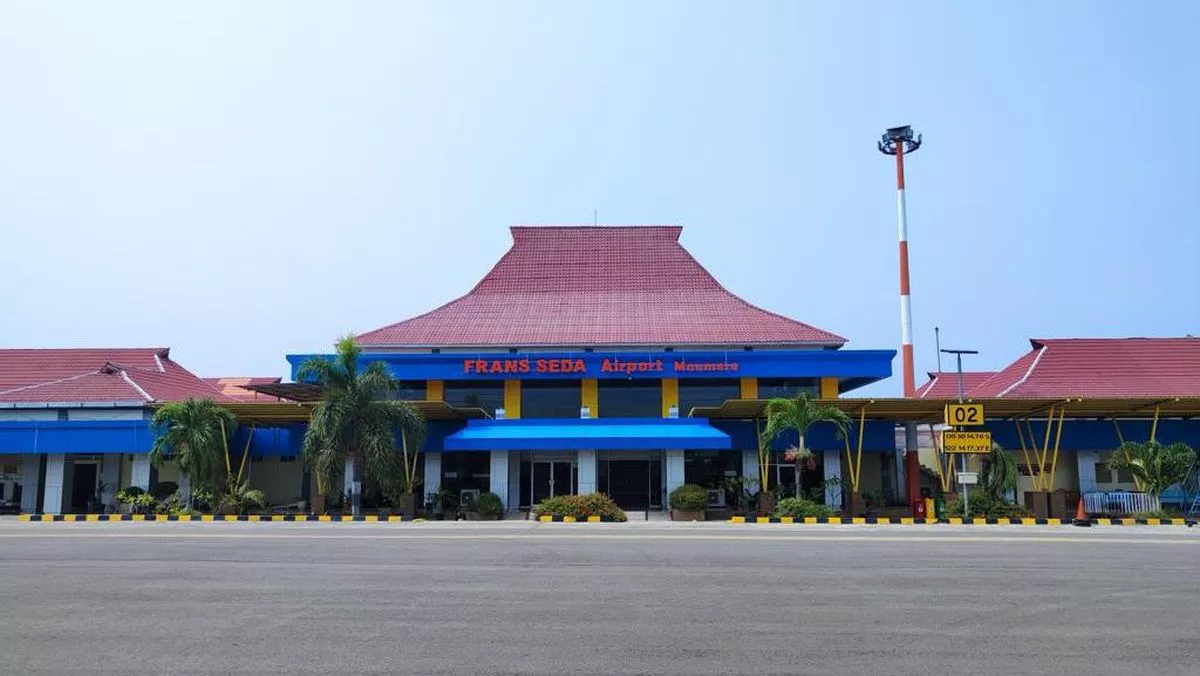
Authorities have temporarily closed Frans Seda Airport in Maumere, East Nusa Tenggara, after renewed activity from Mount Lewotobi Laki-Laki sent volcanic ash into the atmosphere, disrupting air travel and forcing multiple flight cancellations.
The airport closure, announced on Saturday, remains in effect until at least 6:00 a.m. local time on Sunday, June 21, as aviation authorities monitor ash movement and assess safety conditions.
The shutdown immediately affected four scheduled flights linking Maumere with Kupang and Makassar, including services operated by Wings Air.
“Operations have been temporarily suspended until Sunday morning,” Frans Seda Airport Head Partahian Panjaitan confirmed.
For international visitors exploring Flores or preparing for onward journeys to Bali and Labuan Bajo, the disruption serves as a reminder of the region’s unique geography, where some of the world’s most spectacular volcanoes coexist with some of Southeast Asia’s fastest-growing tourism destinations.
A Volcano That Keeps Aviation Authorities on Alert
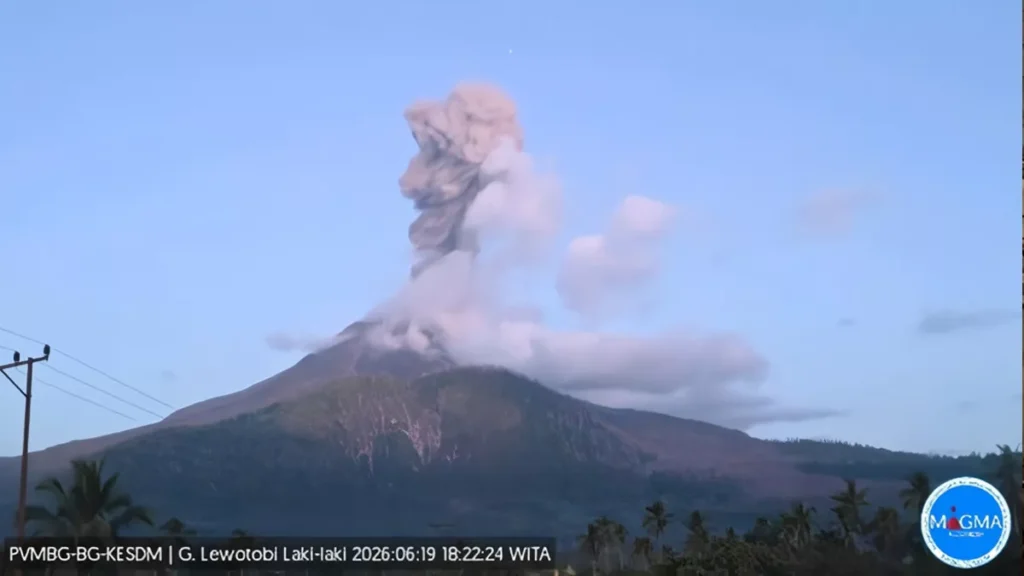
Mount Lewotobi Laki-Laki, located in East Flores, remains at Level III (Alert/Siaga) status.
According to Indonesia’s Center for Volcanology and Geological Hazard Mitigation (PVMBG), the volcano erupted once during the early hours of Saturday morning between midnight and 6:00 a.m. local time.
Observers recorded an ash plume rising approximately 300 meters above the summit, accompanied by a seismic event lasting more than two minutes.
While the latest eruption was relatively modest compared with previous episodes, aviation authorities remain highly cautious. Even small volcanic eruptions can produce ash clouds capable of damaging aircraft engines, reducing visibility, and creating serious safety hazards for flights.
Why Travelers in Bali and Labuan Bajo Should Pay Attention
Although Maumere lies hundreds of kilometers east of Bali, volcanic eruptions in Flores have repeatedly demonstrated their ability to disrupt air travel across a much wider area.
During previous major eruptions of Mount Lewotobi, airlines were forced to cancel flights serving Bali, Labuan Bajo, and other destinations across eastern Indonesia after volcanic ash drifted into key flight corridors.
Ngurah Rai International Airport in Bali experienced operational disruptions during earlier phases of the eruption crisis, while flights connecting Bali and Labuan Bajo were among those affected by changing ash conditions.
Tourism operators say visitors planning trips to Komodo National Park, Flores, Sumba, Alor, or eastern Indonesia should remain attentive to airline advisories over the coming days.
While there is currently no indication that Bali’s airport operations will be affected by the latest eruption, volcanic activity in Indonesia can evolve rapidly depending on wind direction, ash height, and weather conditions.
Safety Advisory for Visitors
Authorities continue to enforce a five-kilometer exclusion zone around Mount Lewotobi Laki-Laki.
Residents and tourists are prohibited from entering the danger area surrounding the crater and have been advised to remain alert for potential volcanic ashfall and rain-triggered lahars, particularly during periods of heavy rainfall.
People living in or traveling through affected areas are also encouraged to wear masks or face coverings when ash is present to reduce respiratory risks.
For travelers currently in Flores or planning flights through East Nusa Tenggara, aviation officials recommend checking flight status directly with airlines before heading to the airport.
Paradise and Volcanic Reality
Indonesia sits on the Pacific Ring of Fire, home to more active volcanoes than any other country on Earth.
For many travelers, that reality remains invisible while enjoying Bali’s beaches, diving in Komodo, or watching sunsets over Flores.
Yet events like the closure of Maumere Airport are reminders that volcanic landscapes are not merely tourist attractions. They remain living, unpredictable forces capable of reshaping travel plans with little warning.
For now, aviation authorities continue to monitor Mount Lewotobi closely.
And for travelers exploring eastern Indonesia, flexibility may be just as important as any itinerary.