





























KARANGASEM, Bali — Every year, millions of travelers arrive in Bali, filling beaches, cafés and resorts that have become synonymous with one of the world’s most popular island destinations. But far from the crowded streets of Canggu and Ubud, another side of Bali is quietly unfolding.
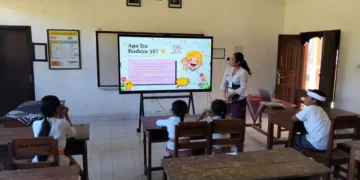
In a small village in eastern Bali, a government primary school has just four students left.
For the second consecutive year, SDN 6 Bhuana Giri has welcomed no new first-grade pupils, leaving entire classrooms empty and raising broader questions about the demographic changes reshaping parts of the island.
“It’s been two years now without any new students,” said I Made Suartika, the school’s principal.
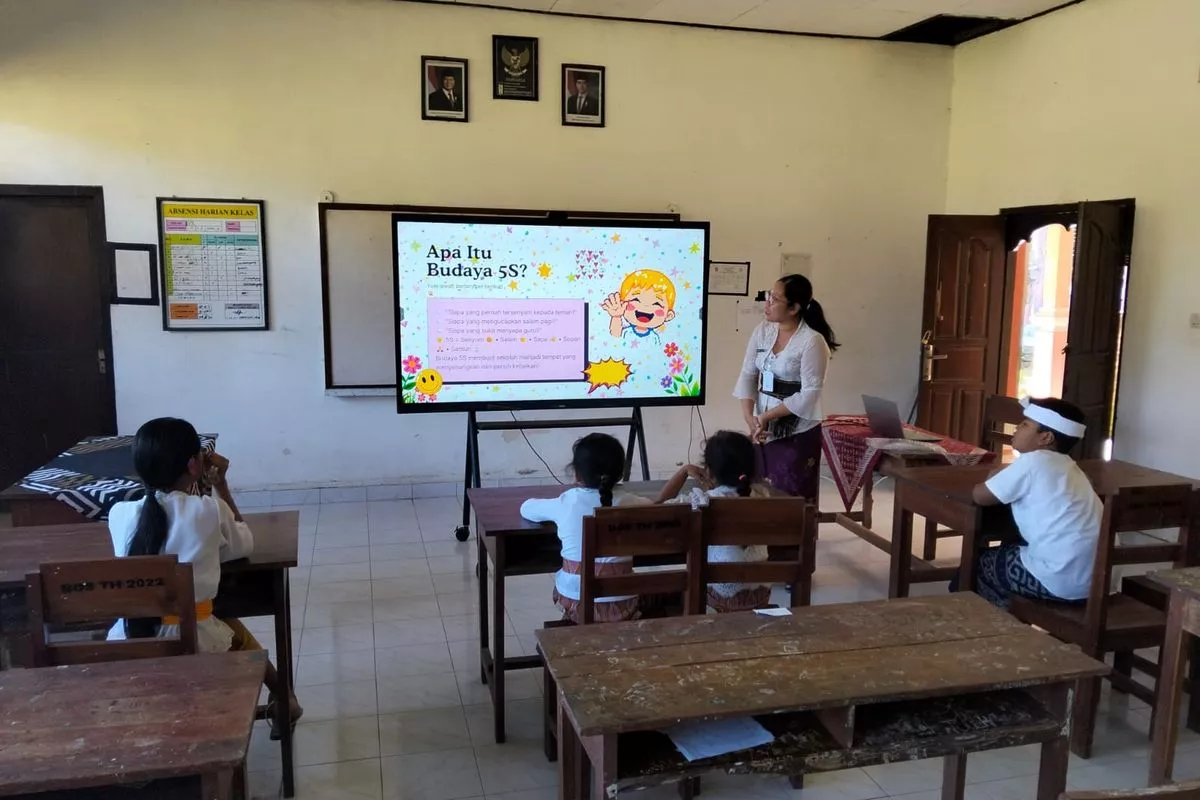
Despite having no incoming class for the 2026-2027 academic year, the school still marked the beginning of the new term with orientation activities for the children who remain.
Today, those children number only four.
Two are in third grade, while the other two are in sixth grade. The first, second, fourth and fifth grades have no students at all.
Yet classes continue as usual.
Each morning, the school’s seven teachers and principal arrive to teach just four children, determined to keep the school running despite its shrinking enrolment.
A Different Reality Beyond Bali’s Tourism Boom
The story reflects a quieter reality rarely seen by visitors.
While Bali’s tourism industry continues to expand and international arrivals recover, some rural communities are experiencing population decline, aging demographics and the steady migration of young families toward cities and other regions in search of work.
According to Suartika, Bhuana Giri simply no longer has enough young children.
The village has only around 50 households of working age, many of whom have moved elsewhere for employment. This year, there were virtually no kindergarten graduates or children old enough to begin primary school.
“It’s not because parents don’t want to send their children here,” Suartika explained. “There simply weren’t children ready to enter first grade.”
Too Many Schools, Too Few Children
Demographics are not the only challenge.
The school is also located near three other public primary schools, giving families several options within a relatively small area.
With fewer children being born and multiple schools competing for a shrinking student population, education officials are now considering whether some schools should be merged.
The Karangasem Education, Youth and Sports Office is currently studying the possibility of regrouping several schools, although no final decision has been announced.
More Than an Education Story
For international visitors, Bali often appears busier than ever. Hotels continue to open, flights continue to increase, and popular destinations remain crowded throughout much of the year.
But villages like Bhuana Giri tell a different story.
Behind the tourism economy lies an island undergoing profound demographic change, where migration, declining birth rates and shifting economic opportunities are quietly reshaping rural communities.
In many ways, SDN 6 Bhuana Giri is more than a school with four students.
It has become a symbol of a Bali that tourists rarely see, where the challenge is no longer accommodating more children, but wondering whether there will be enough to keep a village school alive.
Whether the school ultimately survives or is merged with another, its nearly empty classrooms offer a powerful reminder that the future of Bali will be shaped not only by the number of visitors it attracts, but also by the communities and families that continue to call the island home.