


































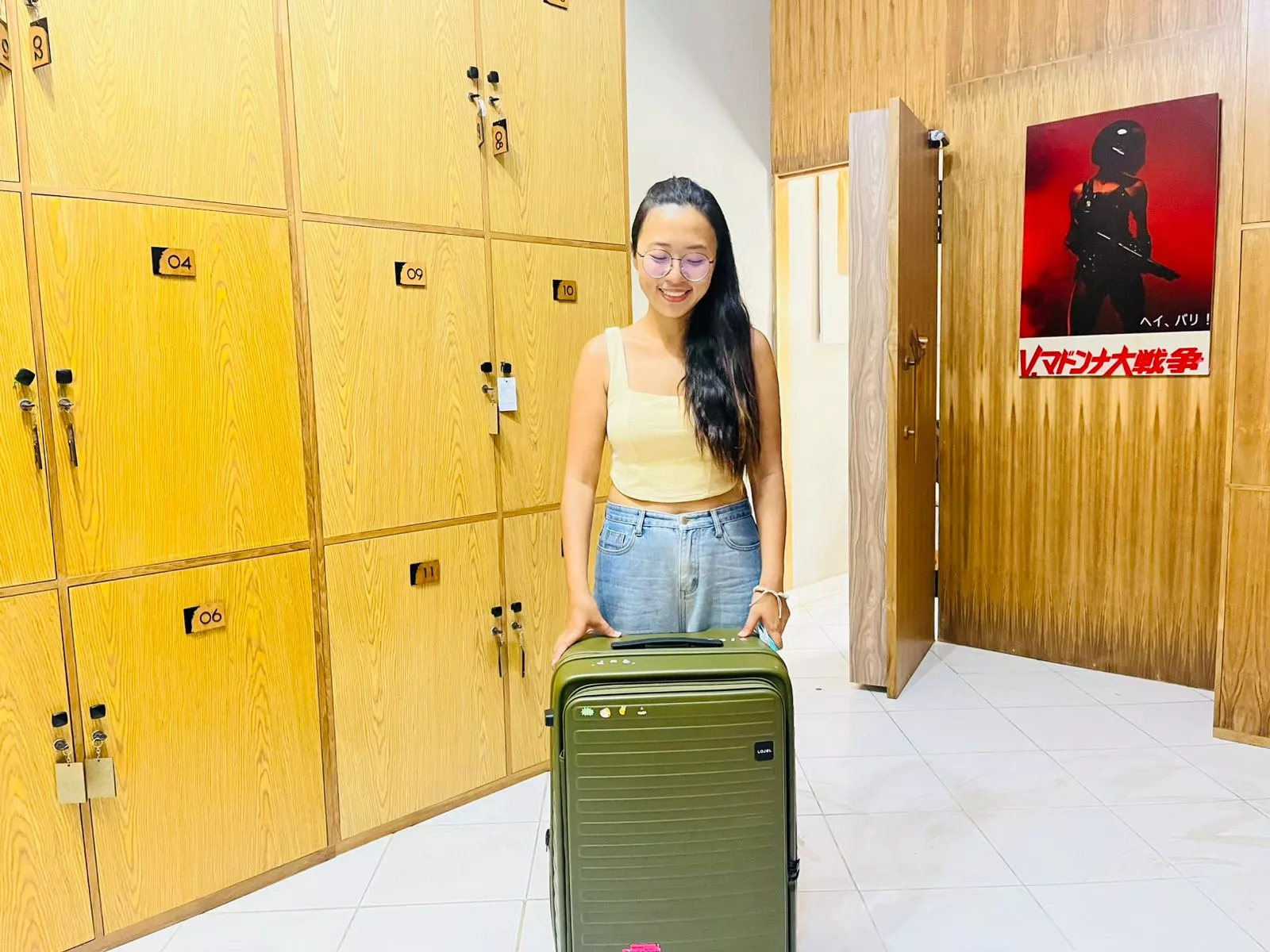
Kuta, Bali — In a tourism hub where every square meter is monetized, one local startup is taking a different path. Hey Bali, a travel information platform based on Jalan Kubu Anyar, offers four hours of free luggage storage for anyone—international visitors, domestic tourists, and residents. No conditions, no minimum spend, no hidden hooks.
After the free window, the fee is just Rp25,000 per day per item, one of the lowest rates on the island. At first glance, the numbers don’t make sense. The company sits in a commercial corridor near Ngurah Rai International Airport where rent, staffing, and operating costs are far from cheap. On average, only 5–7 paid deposits a day come in. The service barely generates Rp2–3 million a month, not even close to covering the costs of running the space.
So why offer it?
“It’s not about quick profit. It’s about long-term trust.”
Founder Giostanovlatto says the goal isn’t financial return—it’s relationship building.
“This is a long-term investment. We want to solve a simple, real problem for travelers. Trust grows from that,”
— Giostanovlatto, Founder of Hey Bali
He describes the service as a loss leader with purpose: a low-margin utility that helps create genuine interactions. Those interactions often turn into travel consultations, itinerary planning, or requests for recommendations—services that actually sustain the business.
Travelers arrive stressed on their last day: early check-out, late flight, luggage in hand, nowhere to go. By solving that pain point for free, Hey Bali earns something money can’t buy easily: credibility.
“About 40 percent of visitors who store their luggage end up talking to us about where to go, what to eat, or which areas are better for their next stay. It’s an effective door to deeper engagement,” he adds.
A Small Service With Real Economic Spillover
The impact extends beyond Hey Bali’s office walls. Free of heavy bags, visitors have time to stop for coffee, grab lunch, or squeeze in last-minute shopping around Kuta.
Local microbusinesses feel this shift.
I Made Artawan, who runs a small coffee stall nearby, says the trend is obvious.
“Many tourists drop their bags at Hey Bali and then come here to relax. It helps small businesses like mine. They spend more because they’re not rushing,”
— I Made Artawan, local business owner
This is the type of everyday, low-friction service that quietly lifts neighborhood economies. Travelers who are unburdened—literally—tend to spend more calmly and generously.
Experts Say the Model Reflects a Bigger Shift

According to Tri Wibowo Santoso, Director of the Institute for Data and Information Studies (LSDI), Hey Bali’s approach fits a growing trend in tourism economies: non-transactional services that generate trust, goodwill, and movement.
“It looks simple, but the impact is significant. This service solves a real mobility problem for tourists during departure day. When you meet a need without charging upfront, you build emotional trust. That trust becomes economic value in the long run,”
— Tri Wibowo Santoso, LSDI
Tri notes that Bali’s tourism scene is entering a phase where reputation and positive experiences matter as much as pricing or marketing.
“Businesses that help visitors move smoothly—even in small ways—create a kind of relational capital. It’s not visible on a monthly balance sheet, but it’s incredibly valuable,” he adds.
Turning Operational Costs Into Trust Capital
Giostanovlatto calls the idea trust capital—the belief that meaningful community value, even when it doesn’t immediately pay for itself, builds a stronger ecosystem.
And in a destination as competitive as Bali, where travelers often rely on word of mouth and personal recommendations, being useful is a powerful differentiator.
“Maybe it’s not profitable on paper. But the long-term relationships we build? That’s what makes it worth it,” he says.
A Quiet Challenge to Old-School Business Logic
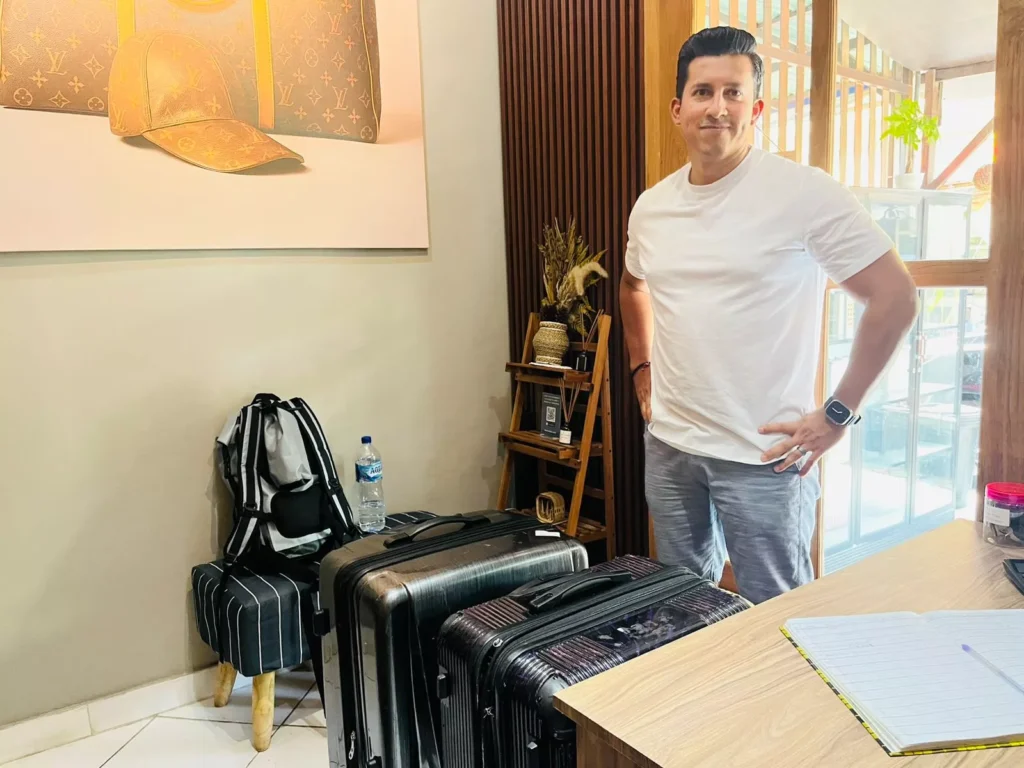
Hey Bali’s luggage service highlights an emerging reality: not all value is transactional. In a tourism environment shaped by experience, not just advertising, businesses that solve small problems often leave the biggest mark.
For many travelers, feeling supported on their last day in Bali becomes part of the memory they carry home. For locals, it means a few more customers walking around with time to spend. For the ecosystem, it’s a sign that businesses can grow while still contributing to the community around them.
This free luggage storage may be a small offering. But the philosophy behind it—centering trust, connection, and practical help—offers a blueprint for how local businesses can thrive in a rapidly evolving Bali.