































KUTA, Bali — For many travelers arriving in Bali, Kuta is not a destination.
It is an arrival hall.
A taxi queue.
A quick overnight stay before moving somewhere quieter.
And yet, few places on the island offer so much within such a small area.
Ngurah Rai International Airport sits minutes away.
The beach is walkable.
Hotels line nearly every road.
Restaurants remain open long after midnight.
For travelers with only a night or two before a flight, or visitors trying to make the most of limited time, Kuta offers something increasingly valuable in Bali:
Efficiency.
Not the efficiency of schedules.
The efficiency of distance.
Here are six places that explain why millions of travelers still pass through Kuta every year.
1. Kuta Beach
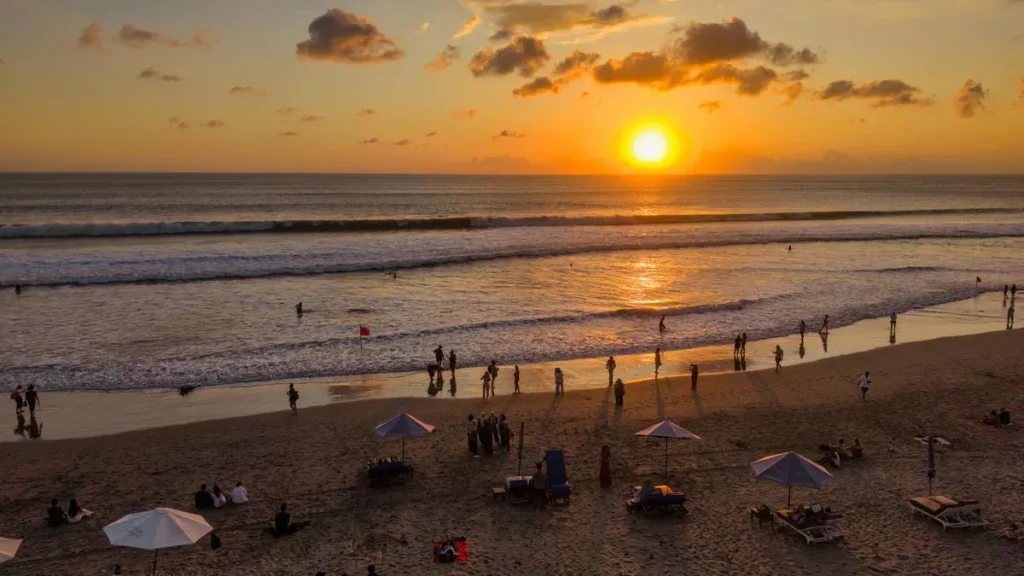
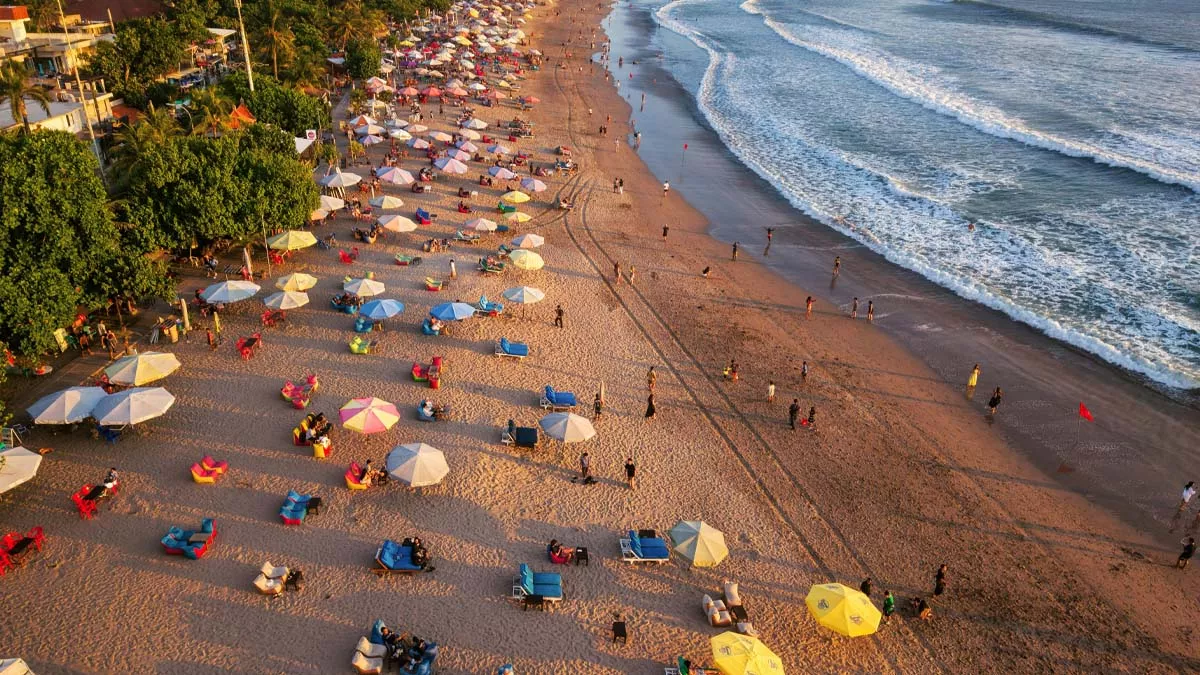
Long before Bali became associated with digital nomads, wellness retreats, and infinity pools, there was Kuta Beach.
The coastline remains one of the easiest places on the island to understand Bali’s tourism story.
Surfers carrying boards move between beginners struggling through their first lessons.
Street vendors wait for sunset.
Football games appear on the sand without warning.
The beach remains one of Bali’s most accessible places to learn surfing, partly because of its sandy bottom and relatively forgiving waves.
Late afternoon remains the best time to arrive.
Not because the beach becomes quieter.
Because it doesn’t.
Location: Kuta Village
Entry: Parking only
2. Discovery Mall Bali
Most malls are designed to separate visitors from the outside world.
Discovery Mall does the opposite.
The complex opens directly toward the beach, allowing visitors to move between restaurants, shopping, and ocean views within minutes.
Several evenings each week, traditional dance performances take place facing the coastline.
As sunsets begin, shoppers stop shopping.
People start watching the stage instead.
Location: Kartika Plaza area
Best Time: Sunset onwards
3. Beachwalk Shopping Center
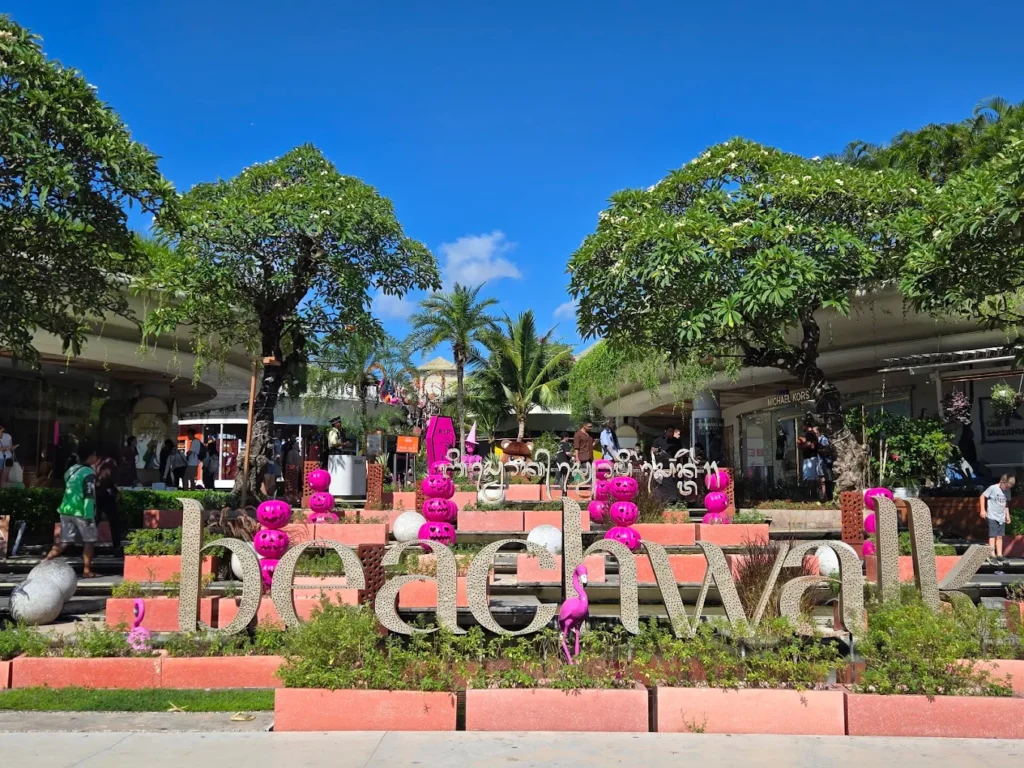
Beachwalk remains one of Kuta’s easiest answers to tropical weather.
Too hot?
Go inside.
Too much rain?
Stay longer.
Located directly opposite Kuta Beach, the semi open design allows sea breeze and sunlight to move through the complex in ways most shopping centers rarely manage.
For short stay visitors, it is less a mall and more an air conditioned shortcut between activities.
Location: Jalan Pantai Kuta
4. Zone Out Bali
Not every day in Bali involves beaches.
Zone Out offers something different.
Virtual reality experiences, indoor activities, and a break from heat make it particularly attractive for families, rainy afternoons, or travelers who discover sunburn limits their plans.
Location: Jalan Dewi Sri
5. Ice Ice Bali
Few things feel stranger in Bali than voluntarily entering a room kept below freezing.
That is partly why visitors go.
Inside, temperatures remain between minus five and minus seven degrees Celsius.
Walls are frozen.
Tables are frozen.
Even glasses are carved from ice.
Stepping back outside afterward may be the fastest way to remember where you are.
Location: Kuta area
6. The Streets Between Them
Kuta’s final attraction may not be a single place.
It is the distance between places.
Much of Bali increasingly requires planning around traffic.
Kuta, despite congestion, still allows something many other tourism areas struggle with:
Walking.
Within a relatively small area, visitors can move between beach, restaurants, shopping centers, nightlife, massage shops, surf schools, and hotels without needing another taxi.
That convenience remains one of Kuta’s most overlooked advantages.
Why Kuta Continues To Matter

Kuta is no longer the Bali many travelers imagine before arriving.
It is louder.
Busier.
More commercial.
Sometimes frustrating.
But for short stays, late arrivals, early departures, and visitors trying to experience several versions of Bali quickly, few places remain more practical.
People often describe Kuta as somewhere they pass through.
That may be true.
The reason millions continue passing through it is what makes the place matter.