



































A psychological study indicates that neutral facial expressions can signal economic background with surprising accuracy, raising questions about subconscious bias and social perception.
TORONTO — The human face, often considered a canvas of emotion, may also hold subtle clues to an individual’s socioeconomic standing, according to new psychological research. A study from the University of Toronto has found that people can accurately guess whether someone is wealthy or working-class based solely on a neutral facial expression, a discovery that underscores the profound and visible imprint of life circumstances.
In the experiment, researchers presented participants with 160 black-and-white photos of individuals with neutral expressions—half from upper-income backgrounds and half from lower-income backgrounds. Strikingly, participants correctly identified the subjects’ economic status 68% of the time, a rate significantly above chance.
“When asked how they knew, they themselves were not aware. They could not explain why their guesses were accurate,” said lead researcher R. Thora Bjornsdottir, as reported by CNBC Make It.
The Eyes and Mouth as Silent Indicators
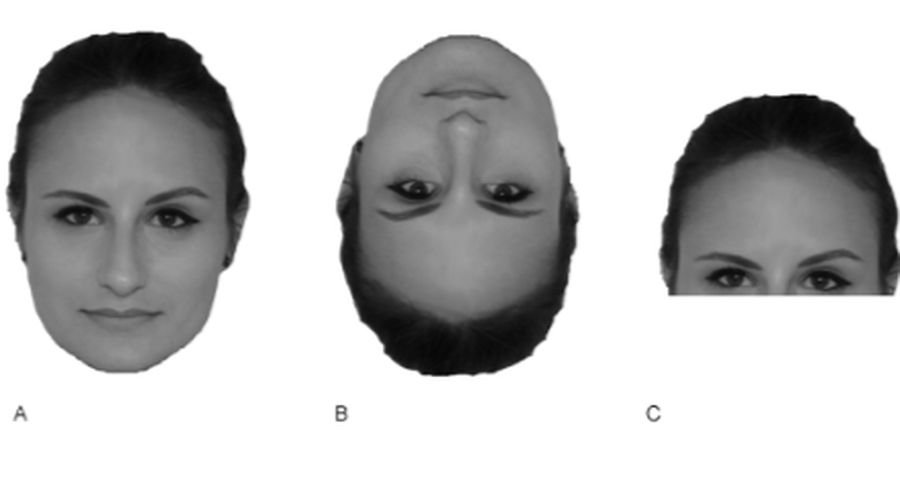
To decode what visual cues participants were unconsciously using, researchers digitally manipulated specific facial features. The analysis pinpointed the eyes and mouth as the most telling areas. According to the study, published in the Journal of Personality and Social Psychology, individuals from wealthier backgrounds tended to exhibit expressions that appeared happier, more relaxed, and less anxious. In contrast, individuals from lower economic groups more often presented faces perceived as tense or burdened.
“The differences in wealth and social class have been studied extensively. However, this study shows that these differences can be directly reflected in a person’s face,” the researchers noted.
A Finding with a Social Warning
While the research offers a fascinating glimpse into nonverbal communication, it carries a significant social caution. Co-author Professor Nicholas O. Rule warned that this ingrained, subconscious perception could have tangible negative consequences.
“Facial-based perceptions of social class have the potential to reinforce cycles of poverty. If someone is treated differently simply because they are perceived as ‘not wealthy,’ their life opportunities can be affected,” Rule stated.
The implication is profound: while a face may reflect an economic reality, society’s unconscious reaction to that reflection could itself deepen existing inequalities. The study suggests that biases based on these subtle facial cues could influence interactions in hiring, customer service, or everyday social judgments, potentially creating a self-fulfilling prophecy.
For the global community, particularly in diverse and transient places like Bali, the research is a reminder of the deep-seated, often invisible, biases that can shape human interaction. It challenges us to be more conscious of the instantaneous judgments we form and to consider the life stories behind every expression.
Hey Bali News explores scientific and cultural research that provides insight into human behavior and social dynamics, relevant to our international audience.