




























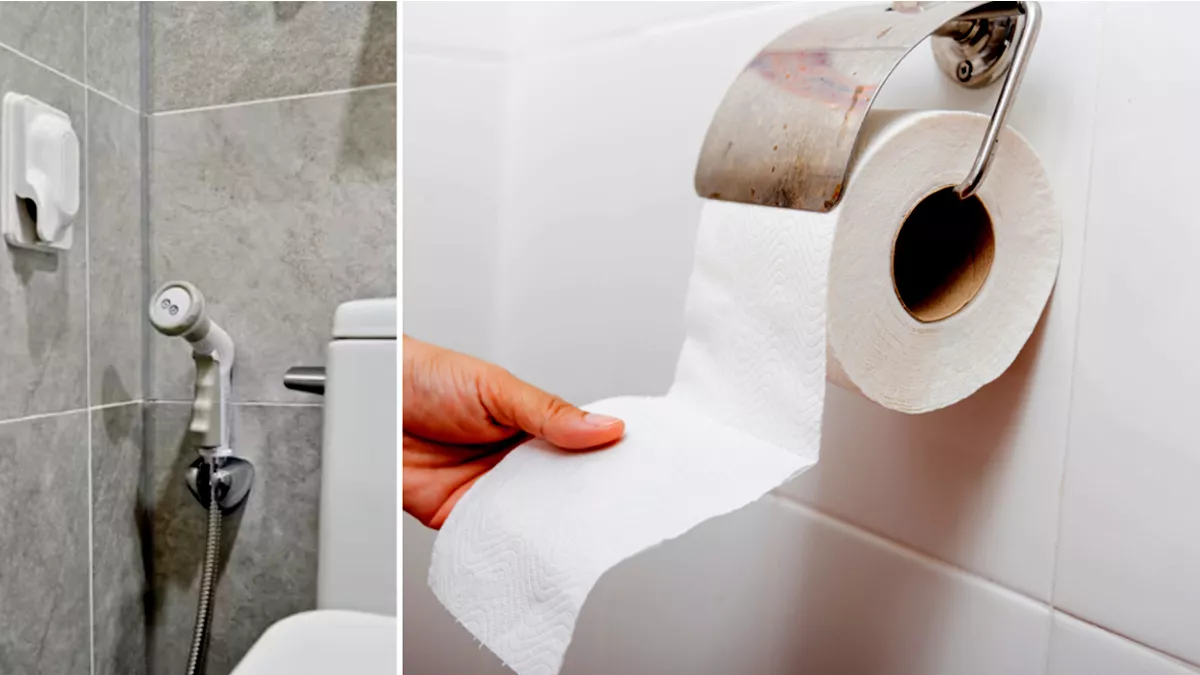
A deep-rooted preference for water over toilet paper reflects more than tradition—it’s a practice now validated by science and gaining global traction.
For many in Indonesia, the idea of cleaning oneself with only dry paper is not just unfamiliar; it feels fundamentally incomplete. The use of water, often from a handheld sprayer (gayung) or a bidet, is the unquestioned standard. Conversely, in much of Europe and North America, toilet paper is the default. This is not a mere preference but a cultural divide shaped by history, environment, and fundamentally different concepts of cleanliness.
1. Roots in Environment and History
The divergence begins with geography and climate. In Indonesia’s tropical environment, water is abundant and integral to daily life for cooling and cleansing. Frequent bathing and washing are practical responses to heat and humidity. Historically, water was the accessible, logical tool for personal hygiene.
In colder Western climates, where water was often cold and harder to access indoors for centuries, the development of mass-produced paper in the 19th century offered a convenient, disposable alternative. Modern plumbing systems were subsequently designed around this dry method.
2. The Verdict of Modern Science
While convenience fueled the rise of toilet paper, modern hygiene science increasingly supports the water-based method. Medically, washing with water is proven to be more effective at removing residue, reduces the risk of skin irritation and infections (like urinary tract infections), and is gentler for those with hemorrhoids or sensitive skin.
Toilet paper, while practical, primarily displaces rather than removes waste. This understanding is driving a quiet revolution in the West, where bidets and washlets—long standard in Japan and South Korea—are seeing surging popularity, especially post-pandemic, as people reevaluate hygiene standards.
3. Differing Cultural Definitions of “Clean”
This practice points to a deeper philosophical split. In many Indonesian and Asian contexts, “clean” implies a physical, thorough rinsing—the absence of any residue. In cultures where paper dominates, “clean” is often a more practical, visual standard; if no residue is visible, the job is considered done.
This fundamental difference in perception fuels mutual curiosity but is not a matter of right or wrong—it is a standard ingrained from childhood.
4. The Environmental Calculus
The debate also has an ecological dimension. The environmental cost of toilet paper—from deforestation for pulp to the significant water and energy used in production and the waste it generates—is considerable. While water use is a concern, efficient systems like modern bidets use minimal water over a lifetime compared to the ongoing resource consumption of paper manufacturing.
5. So, Which is “Correct”?
From a hygiene and health perspective, the scientific consensus leans toward water. It is more effective and less irritating. This explains why global trends are shifting toward methods Indonesians have used for generations. Expatriates who spend significant time in Asia often find it difficult to return to using only paper, and the global market for bidet attachments is booming.
The discussion between water and paper is more than a bathroom debate; it is a lens into how history, environment, and culture shape our most private habits. In this case, a longstanding Indonesian practice is not only culturally steadfast but is also being embraced by science and a growing portion of the world as the superior standard of cleanliness.
Hey Bali News explores the cultural practices and scientific insights that define daily life in Indonesia, offering context for our global community.