


































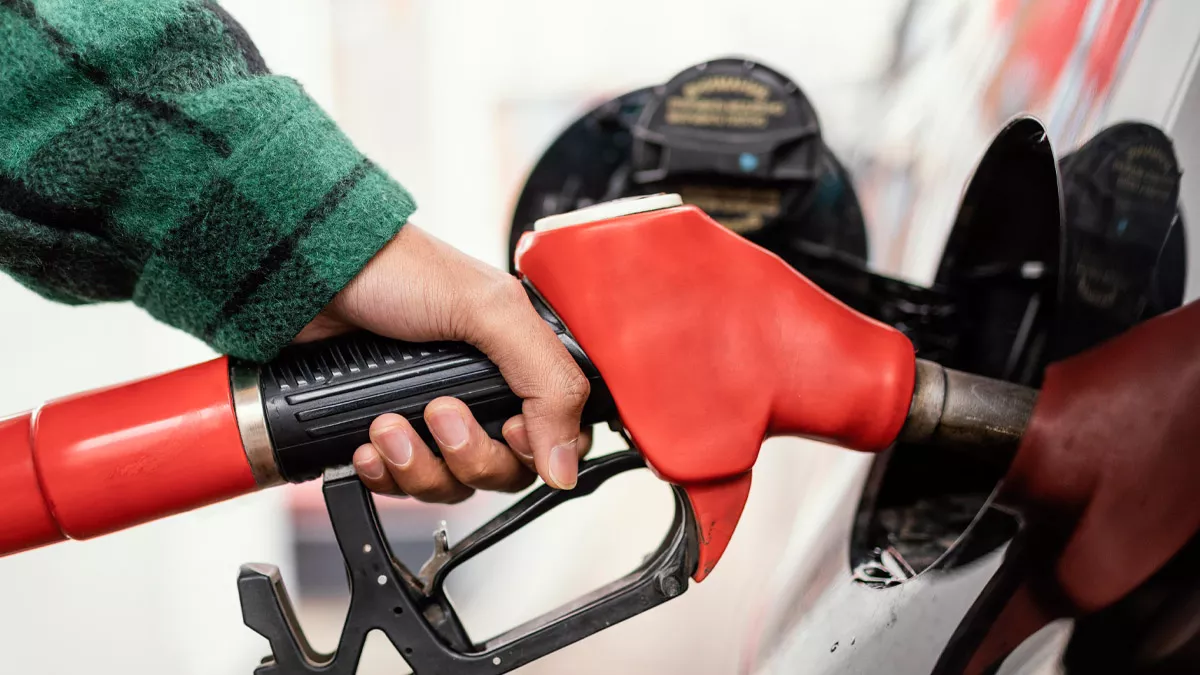
JAKARTA — Across Southeast Asia, the effects of the Middle East conflict are becoming impossible to ignore. The Philippines has declared a national energy emergency. Bangladesh is grappling with fuel shortages. Singapore and Malaysia have seen fuel prices climb. And in Indonesia, the government is now urging the public to prepare for what may come next.
Finance Minister Purbaya Yudhi Sadewa delivered a measured but urgent warning this week: the real threat is not the price of fuel, but its availability.
“An energy emergency is not about the budget,” Purbaya said. “It is about whether supply stops. That is what I fear. Not the price—but whether supply is there. Currently, supply still exists. So if you ask whether we are in an emergency, no. But we must continue to prepare for the future.”
His message, delivered at his office in Jakarta, comes as the region watches a conflict that has already begun to reshape energy markets and travel patterns.
A Region Already Feeling the Strain
The Philippines has declared a national energy emergency, warning that supply disruptions could affect everything from transportation to industry. In Bangladesh, fuel shortages have already disrupted daily life. In Singapore and Malaysia, consumers are paying more at the pump, as global oil prices have surged.
For a region that relies heavily on imported fuel, the volatility is immediate. And for destinations like Bali, where tourism depends on mobility, the stakes are high.
Indonesia, so far, has been shielded by a system of fuel subsidies that absorbs global price fluctuations and protects consumers from sudden increases. But the risk, Purbaya emphasized, is not price—it is continuity.
What the Finance Minister Said
Purbaya made clear that Indonesia’s state budget remains resilient under current conditions. Subsidies can absorb existing price levels, and the government does not plan to adjust fuel prices or subsidy policies in the near term.
“I will not change the budget or subsidies until prices rise significantly,” he said. “With current conditions, the budget is safe until the end of the year.”
But his caution was unmistakable. The situation, he said, requires constant monitoring—and preparation for scenarios that may not yet have arrived.

Why This Matters for Bali
For Bali, the implications are indirect but critical. The island’s economy runs on mobility. International flights, local transport, marine tourism, and logistics all depend on fuel. Any sustained disruption to supply—or even gradual increases in cost—could begin to reshape travel patterns.
Not abruptly, but incrementally.
The Philippines’ energy emergency has already affected aviation, with airlines forced to adjust routes and schedules. If similar pressures reach Indonesia, the effects would be felt in Bali’s airports, its harbors, and its roads.
The Difference Between Price and Supply
Purbaya’s distinction between price and supply is important. Higher fuel prices can be absorbed—through subsidies, budget adjustments, or consumer pricing. But if supply is interrupted, there is no immediate substitute.
The current conflict in the Middle East has not yet caused widespread supply disruptions. But the warning from the finance minister reflects a broader recognition: stability is not guaranteed, and preparedness is not panic.
What Travelers and Investors Should Know
For those living in or visiting Bali, the situation calls for awareness rather than alarm.
- For travelers: Fuel prices in Indonesia remain stable for now. But travelers should be aware that regional volatility can affect flight schedules and costs.
- For expatriates and investors: The government’s commitment to maintaining subsidies provides a buffer, but prolonged instability could lead to policy adjustments. Staying informed is essential.
A Narrowing Margin
Across Southeast Asia, the current moment reflects a shift: energy stability can no longer be taken for granted. Some countries are already confronting shortages. Others, like Indonesia, are operating within a narrowing margin—supported by policy buffers, but still tied to global markets that remain volatile.
Purbaya’s message was not one of alarm. It was one of readiness. The country is not in crisis. But it is watching, waiting, and preparing for a future that remains unsettled.
Looking Ahead
The conflict in the Middle East may eventually subside. Airspace may reopen. Supply chains may stabilize. But the vulnerability that recent events have exposed—the dependence of Southeast Asia’s economies on global energy flows—will remain.
For Indonesia, the task is not to predict the next disruption, but to build the capacity to withstand it. For Bali, where tourism is the lifeblood, that means maintaining the connections that bring visitors to its shores—and preparing for a world where those connections can no longer be taken for granted.
Hey Bali News will continue to monitor developments in regional energy markets and their impact on Bali’s economy and daily life.