

















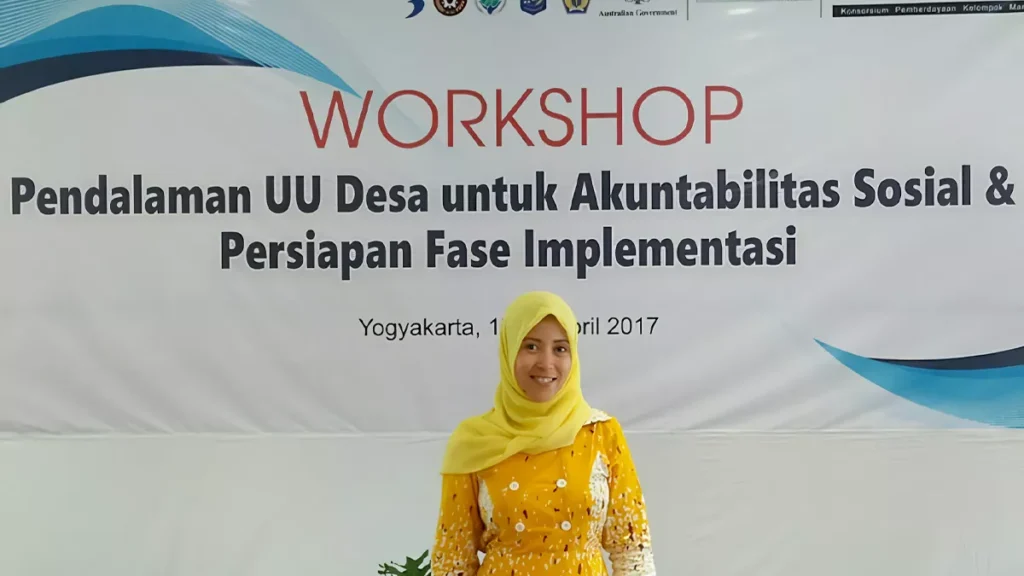
SUMBAWA, West Nusa Tenggara — On the eastern flank of this Indonesian island, far from the beach clubs of Bali and the coworking buzz of Canggu, Mila Rosalia has been waiting.
Not for a visa. Not for funding. Not for a sign from the gods.
She has been waiting for the state.
Since 2018, Rosalia—a women’s rights activist, cultural worker, and small business owner—has dreamed of building something deceptively simple: a weaving school.
Not a ceremonial project. Not a seasonal festival. And certainly not another photo op for officials in batik shirts.
The Sekolah Tenun Dadara Boto (Dadara Boto Weaving School) was designed as a house of learning, a house of production, and a house of marketing for Sumbawa’s vanishing textile heritage. But eight years later, it exists more as an act of stubborn hope than as a functioning institution.
And that, Rosalia says, is a scandal hiding in plain sight.
A Three-Pronged Crisis
What makes this story resonate far beyond Sumbawa’s shores is how it captures three global crises colliding in one remote corner of Indonesia.
1. The Endangered Thread
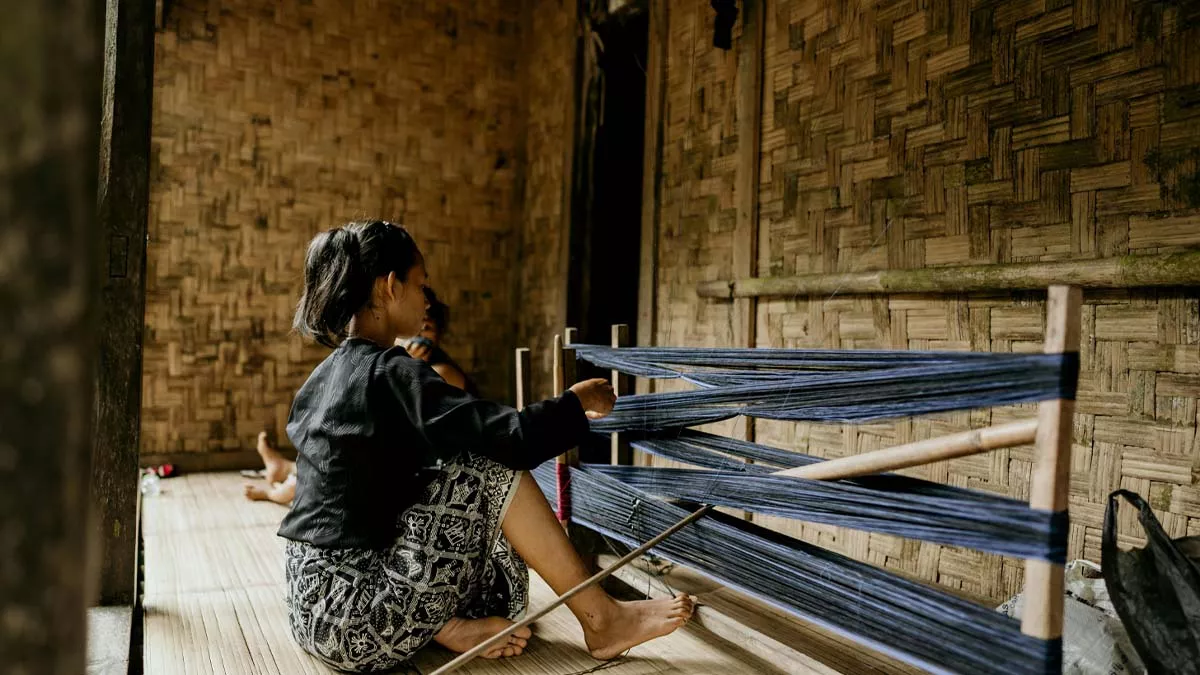
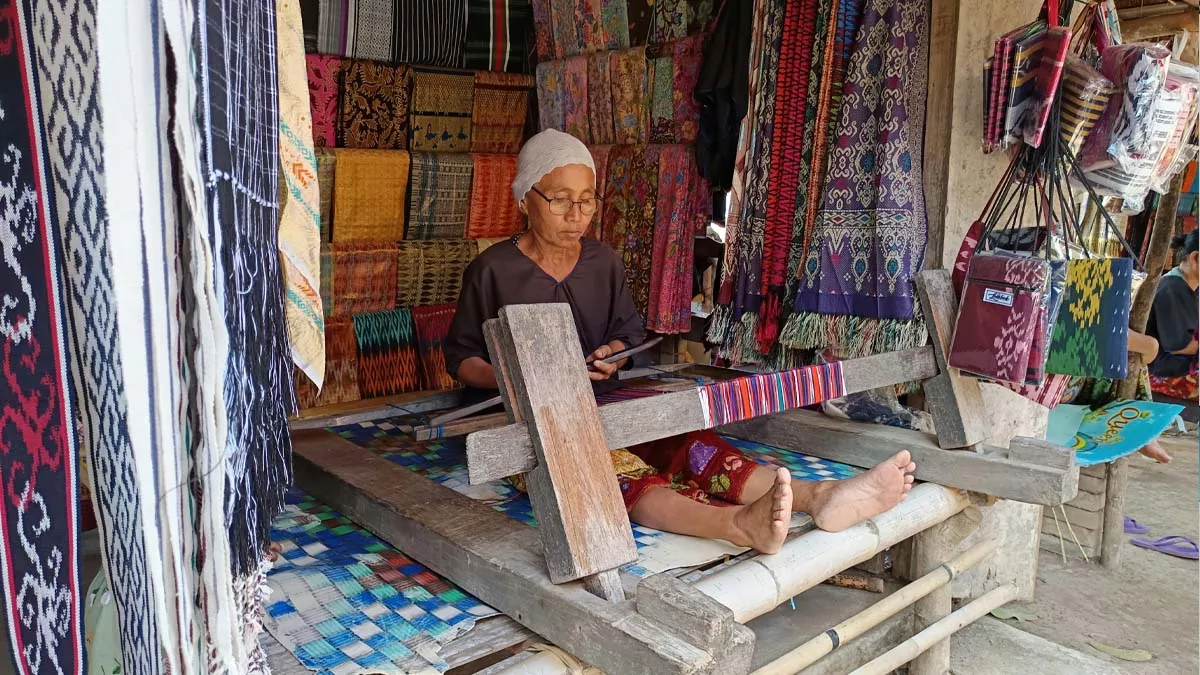
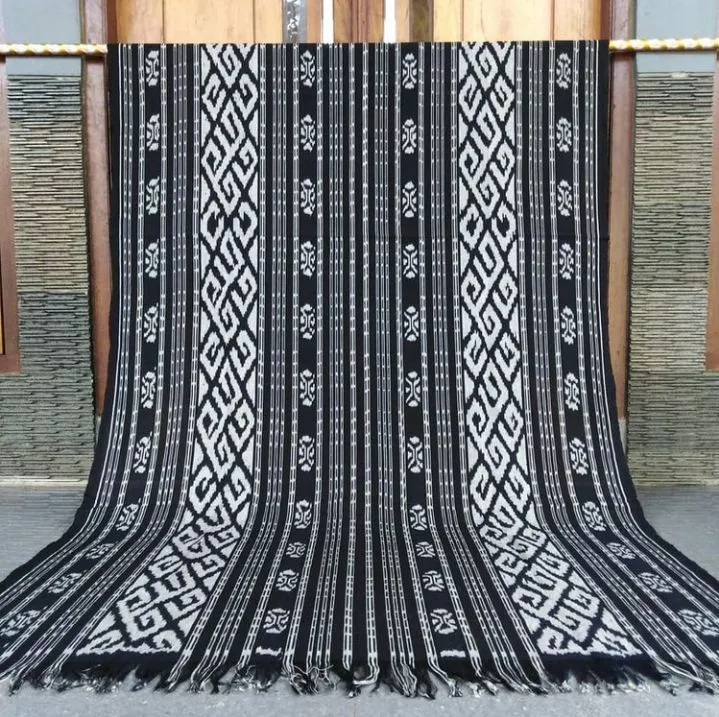
Sumbawa is home to nesek—a traditional weaving technique rich with the motifs of the Sasambo culture (Sasak, Samawa, Mbojo). Each line and curve tells stories of cosmology, kinship, and the natural world.
But like indigenous textiles from Peru to Myanmar to Ghana, nesek is dying. Young people prefer cheap printed fabrics from China. The knowledge sits with aging grandmothers, and no systematic effort exists to pass it on.
“As a daughter of Sumbawa, I feel responsible for preserving our cultural wealth,” Rosalia told me in a recent interview. “The question is: how can traditional weaving survive and innovate through the application of digital technology?”
She is not asking to freeze culture in amber. She wants to modernize—ethically.
2. The Migrant Worker’s Trap
Sumbawa is one of Indonesia’s largest sending regions for migrant workers, most of them women. They leave for Hong Kong, Taiwan, the Middle East—cleaning homes, caring for the elderly, sending remittances home.
Then they return.
And when they return, there is nothing.
No jobs. No training. No pathway to dignified work. So many of them go back overseas, entering a brutal cycle of re-migration that fractures families, traumatizes children, and leaves women vulnerable to exploitation.
Rosalia’s weaving school is designed specifically for them.
“This school is intended to become a meeting space for women—returned migrants, women with disabilities, high school dropouts—to grow together in strengthening their capacity and family economy,” she says.
In global terms, she is offering what development experts call a “just transition” for women trapped in precarious labor. But she is doing it alone.
3. The Empty Promise of ‘Creative Economy’
Indonesia’s government loves to talk about hilirisasi (downstreaming), the creative economy, and cultural advancement. Laws have been passed. Ministries have been created. Conferences have been held.
But here in Sumbawa, the gap between rhetoric and reality is a chasm.
“Economic independence is the reason this school must be realized immediately,” Rosalia says quietly—a line that sounds less like a hope and more like an indictment.
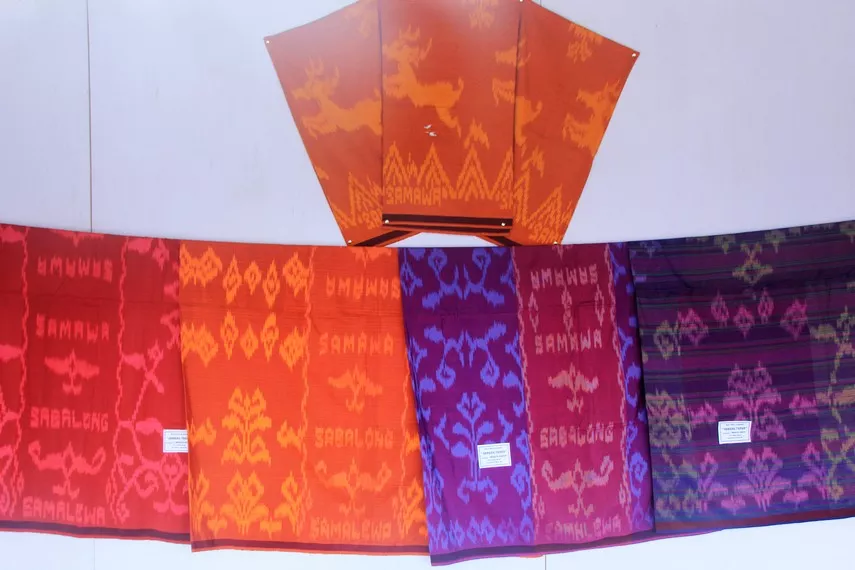
Photo of Typical Woven Fabrics from Sumbawa Besar (IST)
What She Has. What She Needs.
Here is what Rosalia already has:
- A working relationship with local vocational schools (SMK)
- Partnerships with returned migrant women’s groups
- A small digital printing unit (MD Creatif) capable of modern textile production
- A clear business analysis showing how the school could eventually contribute to local revenue (PAD)
- Eight years of patience
Here is what she still needs:
- Formal recognition from the Sumbawa regional government
- A physical space—not a palace, just a building
- Policy support for marketing and intellectual property protection
- The simple acknowledgment that her idea matters
“Of course, the construction of this school requires support from all parties,” she admits.
But eight years is a long time to keep saying “of course.”
Why This Matters to a Global Reader
You are reading this from somewhere else—perhaps Bali, perhaps London, perhaps Melbourne. Why should you care about a weaving school on an island you may never visit?
Because the story of Dadara Boto is the story of our age.
Every traveler who has ever bought a “handmade” souvenir from a market stall and wondered who really made it—this is for you.
Every digital nomad who has felt the loneliness of a hyper-connected but deeply disconnected life—this is a mirror.
Every person who has ever asked, “Why does development always seem to skip the people who need it most?”—here is your case study.
The global creative economy is worth over $2 trillion. Indonesia has declared culture a national priority. Yet a woman with a plan, a community, and eight years of patience cannot get her government to say, “We see you. We will help.”
That is not a Sumbawa problem. That is a global governance problem.
And for Westerners who romanticize “authentic” Bali while flying drones over temples and complaining that ubud has become too crowded—this story asks an uncomfortable question: Have you ever thought about who pays the price for the paradise you consume?
The women of Sumbawa pay it. With their time away from children. With their bodies in strangers’ homes. With their silence.
The Line That Haunts
Toward the end of our conversation, Rosalia said something that has stayed with me.
“I hope this school becomes the concern of all parties.”
Eight years of work. A clear vision. Women waiting. And still, she says “hope.”
The Indonesian word for hope—semoga—is soft. It floats. It asks nicely.
But after nearly a decade, niceness begins to sound like an accusation.
The weaving school does not need hope anymore. It needs a decision.
And that decision belongs to people who have the power to make phone calls, sign decrees, and unlock budgets. They know who they are.
The question is whether they will act before “semoga” runs out.
Mila Rosalia can be reached through her initiative MD Creatif. The Dadara Boto Weaving School accepts partnerships and support from individuals, foundations, and institutional partners.