









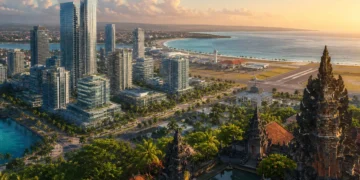
















From environmental clean-ups on Nusa Penida to university outreach programs and business engagement, Australia’s relationship with Bali is extending well beyond tourism.
DENPASAR, Bali — For many Australians, Bali is a favorite holiday destination. But behind the steady flow of tourists arriving on the Island of the Gods, a broader relationship is quietly taking shape.
Education programs, environmental initiatives, cultural exchanges, and business partnerships are increasingly becoming part of Australia’s engagement with Bali, reflecting a connection that extends far beyond beaches, resorts, and holiday travel.
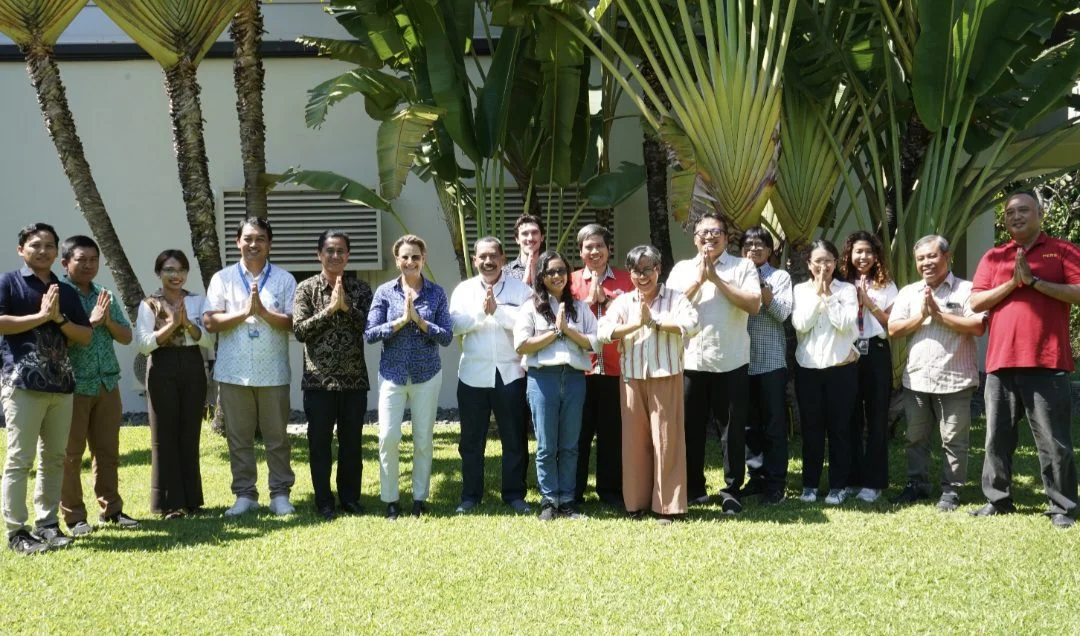
That growing relationship was highlighted this week as the Australian Consulate-General in Bali hosted representatives from local media at its office in Denpasar, reaffirming its commitment to strengthening ties with communities across the island.
Leading the event was Australian Consul-General Jo Stevens, who emphasized the role local media plays in helping people better understand the evolving partnership between Indonesia and Australia.
“Our work focuses on deepening our relationships with the government and people of Bali through education, business and cultural partnerships, as well as through our Direct Aid Program,” Stevens said.
“Your reporting helps communities better understand the close partnership between Indonesia and Australia and strengthens people-to-people connections.”
Beyond Diplomacy
While diplomatic relations are often discussed at the national level, much of Australia’s engagement in Bali now takes place at the community level.
Throughout 2026, the Australian Consulate-General has supported and participated in a series of initiatives involving students, educators, local organizations, environmental groups, and businesses.
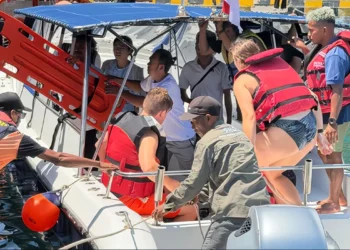
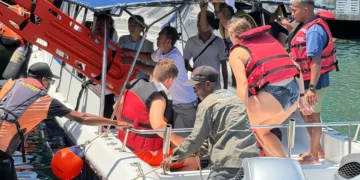
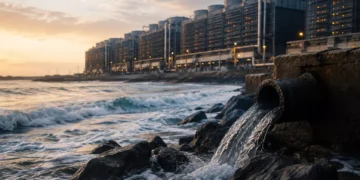
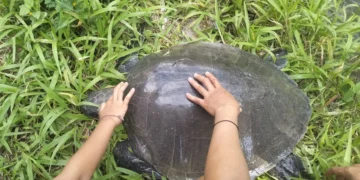
Among them were events marking International Women’s Day, media development workshops, and a coastal clean-up initiative in Nusa Penida aimed at raising awareness about marine pollution and environmental sustainability.
The environmental focus reflects growing concern over waste management and ocean health in Bali, issues that affect both local communities and the island’s tourism-dependent economy.
Investing in Bali’s Next Generation
Education remains one of the strongest pillars of the Australia-Indonesia relationship.
In recent months, the Consulate-General has supported activities designed to introduce young Balinese students to educational and cultural opportunities linked to Australia.
Programs included an Australian Rules Football workshop at a public high school in Denpasar and the “Aussie Banget” university roadshow at Udayana University, where students were introduced to study opportunities, scholarships, and academic pathways in Australia.
For many Indonesian students, Australia remains one of the most accessible and popular destinations for higher education, supported by geographic proximity and decades of academic cooperation between the two countries.
Reaching Beyond Bali’s Tourism Centers
Australian engagement is not limited to the island’s southern tourism corridor.
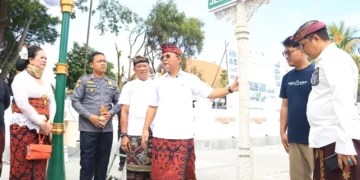
According to the Consulate-General, officials have also traveled to North Bali to meet local government leaders, entrepreneurs, community organizations, and alumni of Australian educational institutions.
The visits are part of broader efforts to strengthen economic and social networks beyond Bali’s traditional tourism hubs, particularly as the island seeks to diversify its economy and create new opportunities for local communities.
A Relationship Shaped by People
Australia and Indonesia share one of the Indo-Pacific region’s most important bilateral relationships, but in Bali that partnership often takes a more personal form.
It can be seen in student exchanges, environmental projects, community grants, cultural programs, and collaborations between local organizations and Australian institutions.
For an island that welcomes more than a million Australian visitors annually, those connections are becoming increasingly significant.
As Bali continues to recover, adapt, and evolve in a changing global environment, the relationship between Australia and the island is no longer defined solely by tourism.
Instead, it is increasingly shaped by education, sustainability, business cooperation, and the everyday interactions between two communities separated by only a few hours of flight time but connected by decades of shared history.
And for both sides, that partnership appears set to grow even stronger in the years ahead.