













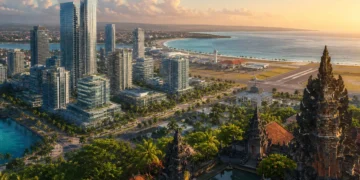


















Denpasar, Hey Bali – Bali is an island shaped by the sea—its culture, its cuisine, and its daily rhythms rise and fall with the tides. But for the next nine days, those tides carry a quiet threat.
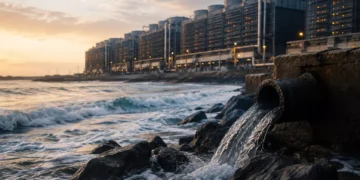
The Denpasar-based Center for Meteorology, Climatology, and Geophysics (BBMKG Region III) has issued a formal advisory for coastal flooding, locally known as rob, spanning April 2 through April 10, 2026. The culprit is not a storm, but a celestial one: the full moon.
“A full moon phase occurring on April 2 has the potential to increase maximum sea water levels,” explained Cahyo Nugroho, Head of BBMKG Region III, in a statement released Thursday.
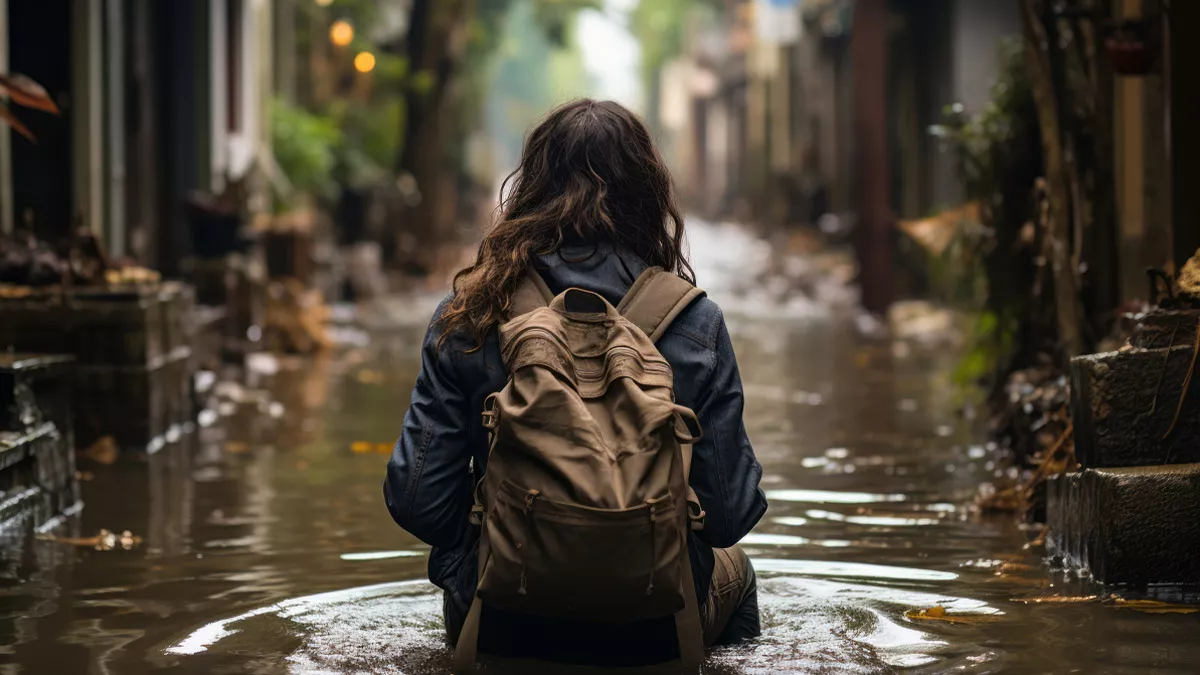
For expats living in beachfront villas, travelers dreaming of sunrise walks on Sanur’s shoreline, and global readers watching from afar, this warning deserves more than a passing glance. The ocean, at its highest, does not simply kiss the sand—it can enter homes, block roads, and disrupt the quiet rhythm of island life.
Which Areas Are Most at Risk?
The agency has named six coastal regencies where tidal flooding could occur between today and April 10. While specific water level projections have not been released, the affected zones include:
- Southern coast of Jembrana (west Bali)
- Southern coast of Tabanan (known for its black-sand beaches and rice terrace vistas)
- Badung Regency (home to Kuta, Seminyak, Canggu, and Nusa Dua)
- Denpasar City (including Sanur and Serangan Island)
- Gianyar Regency (including the popular Sukawati coast)
- Southern coast of Klungkung (including parts of Nusa Penida’s shoreline)
Importantly, the timing of high water will not be uniform across these areas. Local tidal conditions mean that one village may see flooding at dawn, while another experiences it in the evening.
What Disruptions Should You Expect?
The warning is not merely academic. BBMKG notes that several everyday activities face real interruption:
- Port operations – Loading and unloading cargo may be suspended during peak tides.
- Coastal settlements – Low-lying homes, particularly traditional fishing villages, could see water intrusion.
- Salt farming and inland fisheries – These livelihoods, already fragile, are directly tied to water levels.
For tourists and expats, this means:
- Beach access may be temporarily closed.
- Walking paths along Sanur, Kuta, or Seminyak’s shoreline could be submerged.
- Driving along coastal roads (such as the bypass in Denpasar or the road to Tanah Lot) may become hazardous or impassable at certain hours.
A Culture of Awareness, Not Alarm
In Bali, the sea is both a provider and a force. The melasti ritual—where communities procession to the beach to purify sacred objects—acknowledges the ocean’s power. This warning carries the same spirit: not panic, but preparation.
The agency has urged residents and visitors alike to monitor real-time maritime weather updates through official channels. No evacuation orders have been issued. No state of emergency has been declared. But knowledge, in this case, is the first line of defense.
How to Stay Informed (For Global Readers, Expats, and Travelers)
BBMKG provides several free, accessible resources for tracking coastal conditions:
- Website: bbmkg3.bmkg.go.id or maritim.bmkg.go.id
- Instagram: @bmkgbali (real-time visual updates)
- Mobile App: Info BMKG (available on iOS and Android)
For expats living in coastal banjars (community compounds), it is worth having a conversation with your landlord or local neighbors about high-tide history in your specific area. For travelers, a simple check of the BMKG Bali Instagram feed before heading to the beach could save you from a wet and unexpected detour.
A Critical Perspective
Let us be clear: this is not a dramatic storm surge. There is no cyclone bearing down on Bali. But the quiet warnings—the ones about full moons and slightly higher tides—are often the ones that go unheeded until someone’s living room floor is slick with saltwater.
Bali’s infrastructure in coastal zones varies dramatically. The luxury resorts of Nusa Dua have drainage and flood mitigation. The fishing hamlets of Jembrana do not.
As climate change accelerates sea-level rise, these “full moon floods” will become more frequent, not less. The BMKG’s willingness to issue a public advisory nine days in advance is a sign of growing institutional maturity. But warnings only work if people listen.
So here is our editorial request to you, whether you are a tourist sipping a coconut in Canggu, an expat running a business in Sanur, or a global reader planning your next trip: check the tide before you decide to drive that coastal road. And keep an eye on the moon.
Hey Bali News will continue to monitor the situation and provide updates as conditions evolve. Stay safe, stay informed, and respect the sea.