


























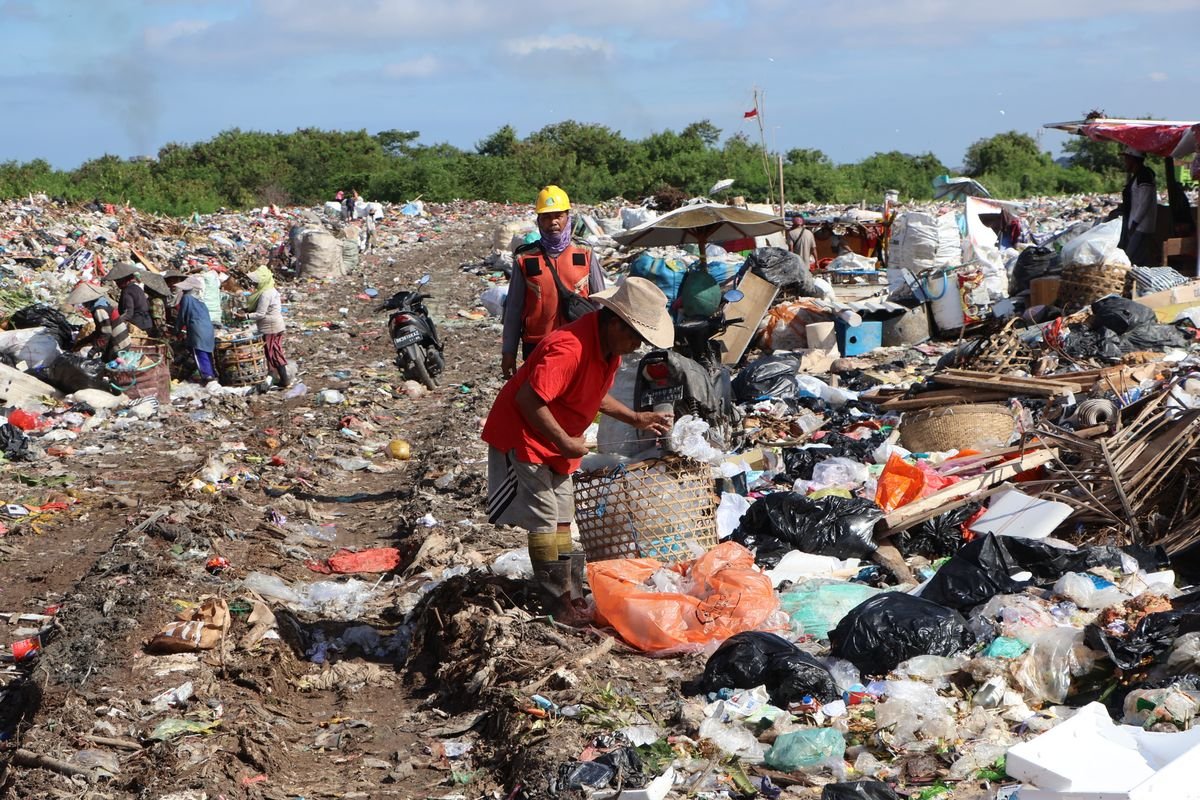
DENPASAR, Bali — For years, the Suwung landfill has been a stain on Bali’s environmental record—a towering mound of waste on the edge of mangrove forests, visible from the highway, its presence a contradiction to the island’s image of pristine nature.
Now, after decades of operation, it is finally set to close.
Governor Wayan Koster announced this week that the Suwung landfill will be completely shut down by August 1, 2026. No waste of any kind will be accepted after that date. The decision, long demanded by environmental advocates, marks a turning point in how Bali manages the 4,000 tons of waste it produces each day—and raises urgent questions about what comes next.
A Deadline That Has Been a Long Time Coming
The closure is not sudden. It follows years of mounting pressure from the central government, which has cited the landfill’s violation of Indonesia’s 2008 Waste Management Law. That law prohibits open dumping—the very method that has defined Suwung’s operation for decades.
A transitional timeline is now in place:
- March 31, 2026 is the final day for organic waste to be accepted at Suwung.
- From April 1 to July 31, 2026, only residual waste will be allowed.
- By August 1, 2026, the landfill will be closed entirely.
The phased approach is meant to give local governments and waste producers time to adapt. But for many, the adjustment is coming quickly.
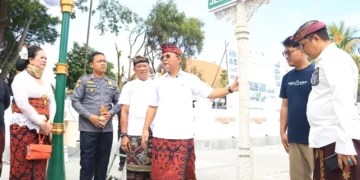
“From now on, all units have been deployed to implement this quickly,” Koster said in a speech marking his first year back in office. “By March 31, organic waste must stop being sent to Suwung.”
The Problem: A System That Was Never Designed to Last
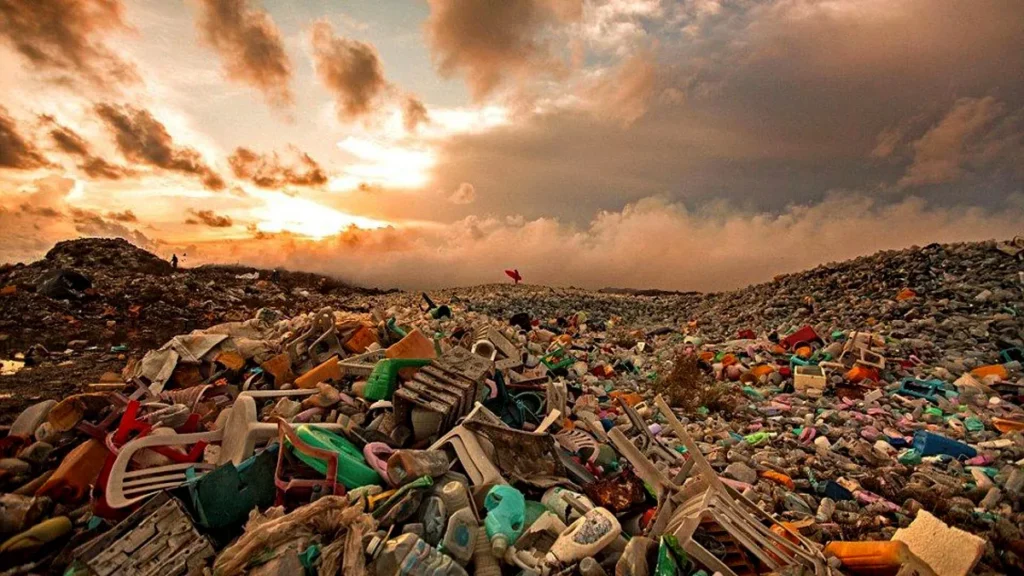
Suwung was never meant to be a permanent solution. Opened decades ago on reclaimed land near mangrove forests in Denpasar, it was designed for an era when Bali produced far less waste. Today, the island generates more than 4,000 tons of garbage daily, much of it ending up in the open pits of Suwung.
The landfill has become a symbol of a broken system. Fires have broken out repeatedly, releasing toxic smoke over nearby neighborhoods. Leachate has seeped into surrounding waters, threatening the mangroves that once thrived there. And the pile itself—visible from the highway leading into Sanur—has grown to heights that are both visually staggering and environmentally dangerous.
“This can’t continue,” Koster said. “We have seen what happens when waste just piles up.”
The Transition: Managing Waste at the Source
The closure of Suwung is forcing a fundamental shift in how waste is handled across Bali. Under the new framework, the responsibility is moving from the landfill to the source.
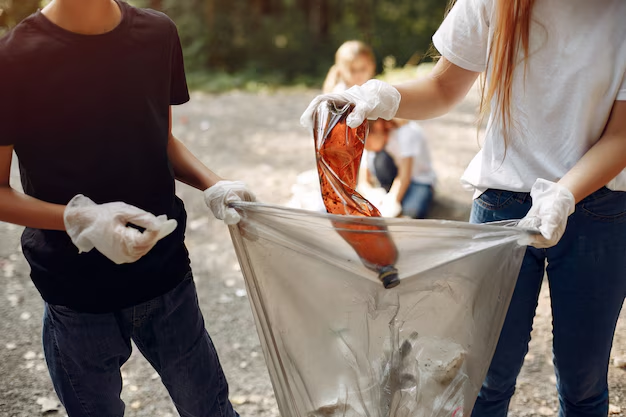
Starting April 1, organic waste—which makes up more than half of Bali’s total garbage—must be managed at the point of origin. That means households, restaurants, hotels, and markets will need to compost, process, or otherwise dispose of organic waste without sending it to a central landfill.
For residents and businesses, this is a significant change. Composting infrastructure is uneven across the island, and the habit of separating waste is not yet universal. The government has signaled that it will prioritize support for local waste management through special budget allocations, but enforcement and education will be critical.
A New Facility: Turning Waste Into Energy
To handle the waste that cannot be processed locally, Bali is moving forward with a long-discussed project: a waste-to-energy facility known as PSEL (Pengolahan Sampah menjadi Energi Listrik).
The project, which will be built by Zhejiang Weiming Environment Protection Co., Ltd., is being overseen by Danantara, a state-owned investment agency. It is expected to process residual waste and convert it into electricity—a technology that, if implemented properly, could significantly reduce the volume of garbage destined for landfills.
Bali is one of several priority regions for the national government’s push toward environmentally friendly waste processing, alongside Yogyakarta, Bekasi, and Surabaya.
“We are grateful to President Prabowo Subianto for giving special attention to waste management in Bali,” Koster said.
What This Means for Residents and Visitors
For the millions of tourists who visit Bali each year, the shift will be largely invisible—but its effects will be felt. The closure of Suwung is part of a broader effort to address the island’s waste crisis, which has long been a source of tension between environmentalists, local communities, and the tourism industry.
For residents, the changes will be more immediate. Households and businesses will need to adapt to new waste management practices, and local governments will be expected to step up their capacity to handle waste without relying on a centralized dump.
The government has warned that special budget allocations for regencies and cities will be conditional on their commitment to source-based waste management.
“If they do not manage waste at the source,” Koster said, “they will not receive the funding.”
A Test of Bali’s Environmental Commitment
The closure of Suwung is a moment of reckoning. It acknowledges that the old way of managing waste—dumping it in a pit and hoping it would go away—is no longer viable. What replaces it will determine whether Bali can clean up its reputation as a destination that struggles to manage the waste its visitors create.
The transition will not be easy. Infrastructure gaps remain. Behavior change takes time. And the waste-to-energy facility, while promising, has faced skepticism from those concerned about emissions and the potential for new forms of pollution.
But for many who have watched Suwung grow into a crisis, the closure is a necessary step—and one that has been a long time coming.
“This must not happen again,” Koster said, referring to the fires and environmental damage caused by the landfill. “From 2027 onward, there should be no more landfills like Suwung in any regency.”
Looking Ahead
The countdown to Suwung’s closure has begun. Over the next five months, Bali will undergo a fundamental shift in how it handles its waste—one that will test the readiness of its government, its businesses, and its communities.
For a small island that has long struggled with the environmental consequences of its own success, the closure of Suwung is both an ending and a beginning. The old system is ending. What comes next will define not just how Bali manages its trash, but how it manages its future.
Hey Bali News will continue to track developments in Bali’s waste management transition, including updates on the PSEL facility and new regulations affecting residents and businesses.