

































A new student-led festival hopes to revive operet—a uniquely Balinese blend of theatre, music and dance that once flourished across the island but is now fading from public view.
DENPASAR, Bali — Every year, millions of visitors travel to Bali to watch the island’s iconic Kecak dance, Barong performances, and centuries-old temple rituals. Yet few international travelers have ever heard of another form of Balinese performing art that was once equally familiar to local communities: operet.
Combining theatre, music, dance, storytelling, and comedy, operet has long served as a creative outlet for young performers in Bali. But like many traditional performing arts, it has struggled to compete with smartphones, streaming platforms, and the endless scroll of social media.
Now, a group of young artists hopes to change that.
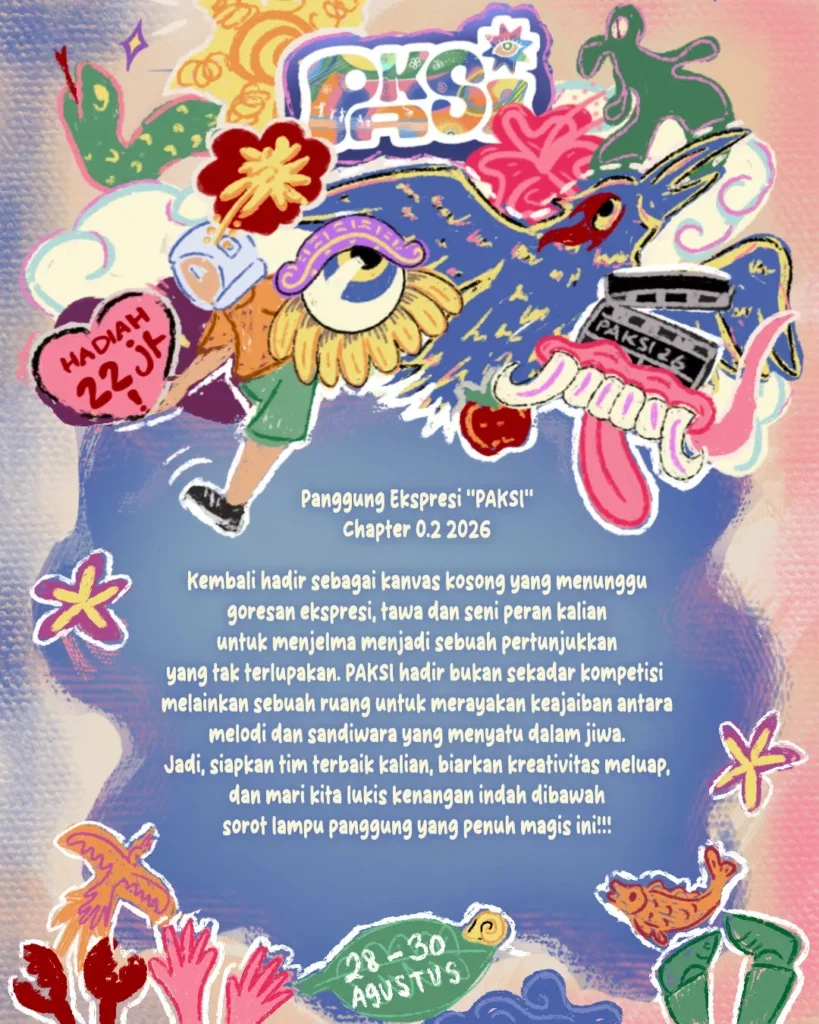
From August 28 to 30, Denpasar’s Dharma Alaya Negara (DNA) cultural center will host PAKSI (Panggung Kreasi) 2026, a new island-wide operet festival bringing together 17 junior and senior high school theatre groups from across Bali.
For organizers, the event is about much more than selecting a winner.
It is an effort to ensure that a uniquely Balinese form of storytelling does not quietly disappear.
More Than a Competition
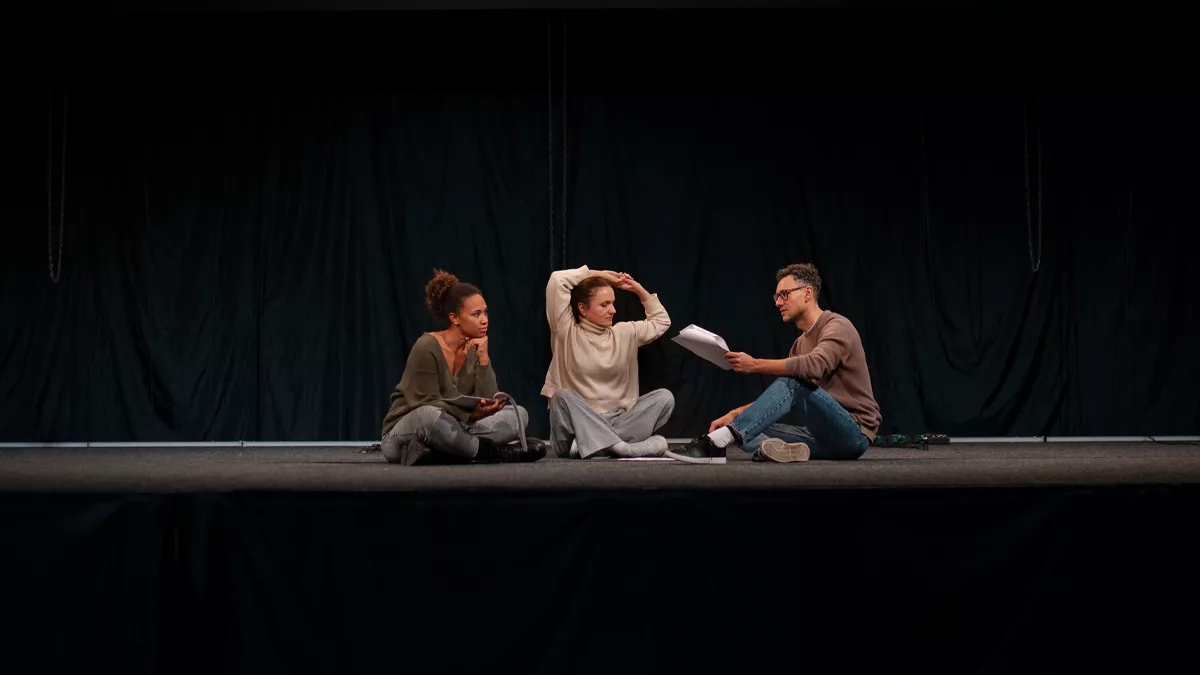
Unlike conventional theatre, operet blends spoken dialogue with music, choreography, visual art, and humor, encouraging students to work across multiple creative disciplines.
Participants are responsible not only for acting but also for writing scripts, designing costumes, creating stage settings, arranging music, and developing choreography—transforming each performance into a collaborative production rather than a simple stage play.
“It’s one of the most accessible forms of performing arts for young people,” said Iko Putra Tara Tiyasa, head of Komunitas Ruang Kreasi, the organization behind the festival.
“Operet teaches collaboration, creativity, communication, and confidence while remaining enjoyable for audiences of all ages.”
Old Traditions, New Inspiration
This year’s performances will revolve around inspiring historical and contemporary figures from around the world.
Rather than limiting students to Balinese stories, organizers hope the broader theme will encourage participants to explore leadership, perseverance, innovation, and social responsibility—universal values that can resonate with today’s generation.
Yet despite the global inspiration, the performances will remain unmistakably Balinese.
Traditional decorative elements, local artistic motifs, and Balinese stage aesthetics will be woven throughout the productions, creating a dialogue between international stories and local cultural identity.
Winning Back Generation Z
Perhaps the festival’s biggest challenge is not convincing students to perform.
It is convincing them that traditional performing arts still matter.
Instead of competing against social media, organizers have decided to embrace it.
Behind-the-scenes videos, creative teasers, digital storytelling, and interactive online content will accompany the festival, inviting young audiences to discover operet first through their phones before experiencing it live on stage.
“We don’t need to pull young people away from their screens,” one organizer explained. “We need to bring performing arts onto those screens—and then invite them into the theatre.”
A Stronger Response Than Expected
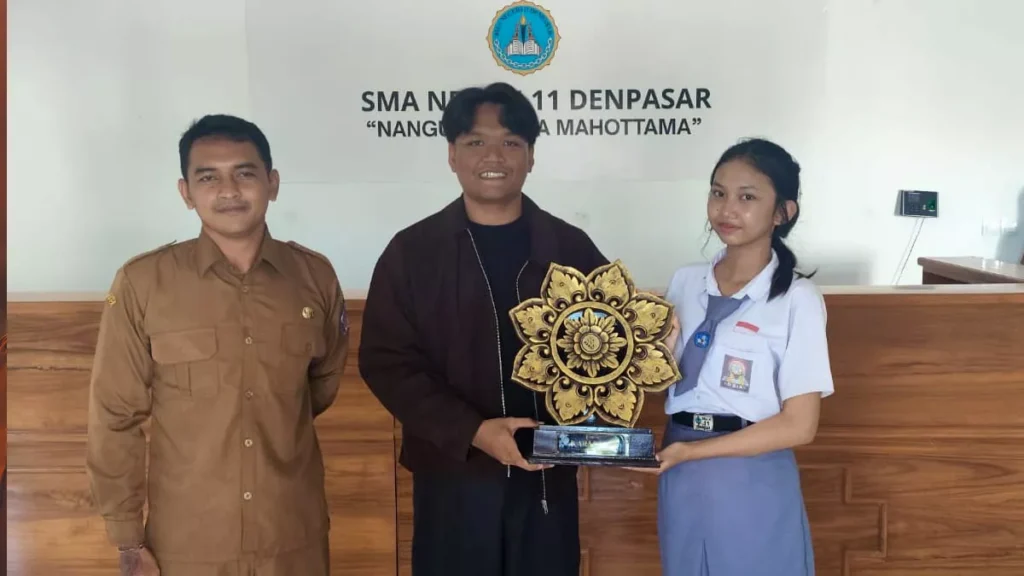
The response suggests the strategy is already working.
Organizers initially planned for 16 participating schools. By the close of registration, 17 theatre groups had signed up, exceeding expectations in the festival’s inaugural year.
For Bali’s creative community, the enthusiasm is encouraging evidence that young people remain eager to perform—provided they are given the opportunity.
Why It Matters Beyond Bali
As Bali continues to attract international visitors with its beaches and temples, cultural leaders increasingly argue that the island’s future depends just as much on preserving its living traditions as promoting its natural beauty.
For travelers seeking a deeper understanding of Bali, festivals like PAKSI offer something rarely found in tourist performances: a glimpse of how the island’s younger generation is redefining its own cultural identity.
The students stepping onto the stage this August are not simply competing for trophies.
They are helping ensure that one of Bali’s lesser-known performing arts still has a future.
And in an age when traditions around the world are increasingly vulnerable to being forgotten, that may be the festival’s greatest achievement.