
































DENPASAR, Bali — Bali’s tourism-dependent economy could face fresh pressure after Indonesia’s sharp increase in non-subsidized fuel prices, with concerns growing that higher transportation costs may eventually ripple through the island’s travel, hospitality, and small business sectors.
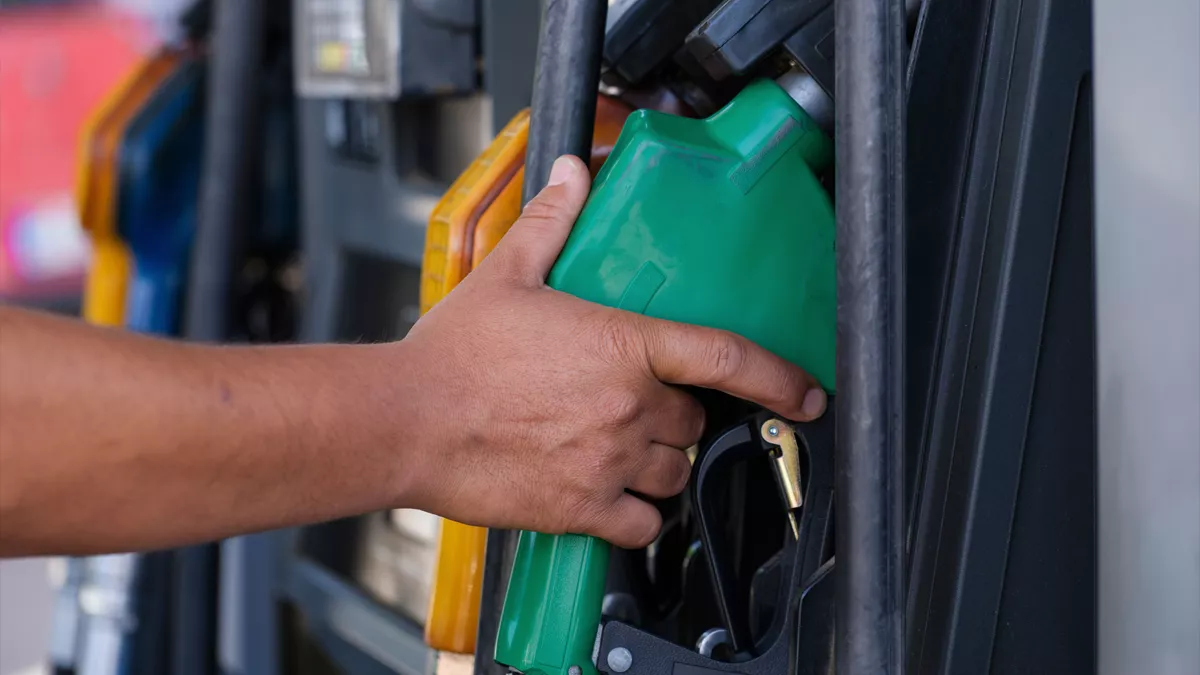
The warning came Thursday from the Indonesian Women’s Journalists Association (IWO) Bali, which urged President Prabowo Subianto to reconsider the decision after state-owned energy company Pertamina raised the price of Pertamax and Pertamax Green fuel by nearly one-third.
Pertamax (RON 92) increased from Rp12,300 to Rp16,250 per liter, while Pertamax Green (RON 95) rose from Rp12,900 to Rp17,000.
The increases took effect nationwide this week.
While fuel price adjustments affect consumers across Indonesia, Bali’s economic structure makes the island particularly sensitive to rising transportation costs.
Tourism remains the backbone of the local economy, supporting hotels, restaurants, transportation providers, tour operators, rental businesses, logistics companies, and thousands of small enterprises that depend directly or indirectly on visitor spending.
“These increases are deeply concerning at a time when many households are still dealing with economic pressures linked to ongoing global uncertainty,” said Tri Widiyanti, chair of IWO Bali.
According to Widiyanti, the impact is likely to extend beyond fuel stations and into sectors that form the foundation of Bali’s tourism industry.
Higher fuel prices could increase operating costs for rental car companies, scooter operators, tourism transport services, airport transfers, delivery networks, and small businesses that rely on daily transportation.
The additional costs may eventually be reflected in higher prices for goods and services used by both residents and visitors.
“In Bali, the impact will be felt significantly because the regional economy depends heavily on tourism, transportation, small businesses, and services,” Widiyanti said.
She warned that rising operational expenses could gradually affect the competitiveness of businesses already operating in a highly competitive tourism market.
Why Bali Could Feel the Impact More Than Most

Unlike many Indonesian provinces driven by manufacturing, mining, or agriculture, Bali’s economy depends largely on the movement of people.
Millions of tourists travel across the island every year, relying on rental scooters, private drivers, taxis, shuttle services, and tour operators to move between beaches, resorts, restaurants, and cultural attractions.
Fuel costs play a role in nearly every stage of that ecosystem.
Hotel supplies arrive by truck. Restaurants depend on daily deliveries. Tour operators transport guests across long distances. Small businesses rely on scooters and motorcycles for logistics and customer service.
Even modest increases in transportation costs can spread quickly across a service-based economy.
Widiyanti also noted that many Balinese workers are employed in tourism-related and informal sectors where daily mobility is essential for earning income.
Additional transportation expenses, she said, could reduce household purchasing power if wages fail to keep pace.
“If this is not anticipated, it could slow regional economic recovery and place additional pressure on families who are still rebuilding their livelihoods,” she said.
Call for a Policy Review
IWO Bali has called on the central government to review and reverse the increase in non-subsidized fuel prices, arguing that policies affecting daily living costs should account for local economic realities and consumer purchasing power.
“We urge President Prabowo Subianto to evaluate and cancel the increase in Pertamax and Pertamax Green prices in order to maintain economic stability and ease the burden on the public,” Widiyanti said.
She called on policymakers to seek alternatives that support fiscal and energy objectives without placing additional strain on households and small businesses.
The government has not publicly indicated whether it is considering revisiting the decision.
Pertamina has defended the adjustment, saying the increase reflects market conditions and is necessary to maintain sustainable energy supplies.
What Travelers and Expats Should Know
For tourists planning a holiday in Bali, the increase is unlikely to have an immediate impact on accommodation prices or travel plans.
However, transportation-related services could become gradually more expensive if businesses choose to pass higher operating costs on to customers.
Expatriates living on the island may also feel the effects through increased commuting expenses and potentially higher costs for goods and services that rely on transportation networks.
Whether those impacts remain modest or become more significant will depend on how businesses, consumers, and policymakers respond in the coming months.
For an island whose economy runs on mobility, tourism, and services, fuel prices rarely affect only drivers.
Eventually, they touch almost everyone.