











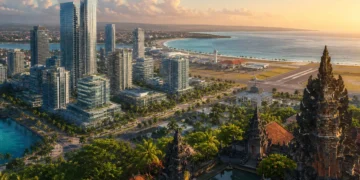

















DENPASAR, Bali – For years, Bali has functioned as an open-air studio for the global creator economy.
Beach clubs became production sets.
Luxury villas became backdrops.
Rice terraces became content factories.
Now, Indonesian authorities are signaling that the era of treating tourist visas as creator permits may be coming to an end.
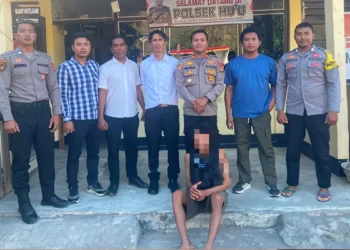
Immigration authorities in Bali have begun intensifying enforcement against foreign influencers and content creators accused of conducting commercial activities while entering Indonesia as tourists, with violations increasingly leading to detention, deportation, financial penalties, and re-entry bans.
The tougher approach has drawn international attention after foreign media reports highlighted specialized operations targeting creators suspected of working illegally while staying on the island.
At the center of the crackdown is a growing question:
When does creating content become work?
Where Authorities Draw the Line
According to Indonesian immigration authorities, many activities commonly associated with influencer culture can fall into the category of work when they generate economic value.
Authorities say those activities may include:
• Sponsored social media content
• Brand collaborations
• Promotional photo and video shoots
• Accepting complimentary accommodation, meals, or services in exchange for content creation
Officials argue that even activities without direct financial payment may still be considered commercial if they contribute to future earnings, professional portfolios, audience growth, or other economic benefits.
Under that interpretation, immigration authorities say tourist visas are not designed for commercial production activities.
Special Task Force Monitoring Foreign Creators
To strengthen enforcement, Indonesia’s Directorate General of Immigration established the Dharma Dewata Immigration Patrol Task Force in April 2026.
The unit conducts field inspections in tourism areas while also monitoring publicly available social media activity involving foreign nationals operating from Bali.
According to reports surrounding the operation, dozens of foreign influencers have already been detained during the first phase of enforcement.
Some received administrative sanctions.
Others faced deportation.
Some reportedly received both penalties alongside potential multi-year entry restrictions.
Bali’s Visa Gray Area Is Shrinking
For years, Bali attracted not only tourists but also digital entrepreneurs, remote workers, influencers, photographers, coaches, and creators building businesses from laptops and smartphones.
Many operated under assumptions that indirect monetization did not qualify as employment.
Indonesian authorities increasingly disagree.
Their position is becoming clearer:
If an activity generates economic value, immigration compliance matters.
Legal Pathways Already Exist
Officials argue the crackdown is not intended to discourage creators from coming to Bali.
Instead, authorities say creators who intend to work professionally have legal pathways available through appropriate visa categories and work permits.
The policy shift also aligns with Bali’s broader push toward what policymakers increasingly describe as higher-quality tourism.
The message emerging from immigration authorities is becoming increasingly straightforward.
Tourism remains welcome.
Commercial activity remains possible.
But the paperwork, authorities say, must match the activity.