































BADUNG, Bali — Bali’s real estate market has long attracted foreign buyers, drawn by the island’s natural beauty, tourism economy, and lifestyle appeal. But alongside legitimate opportunities, a shadow industry has flourished: property scams targeting unsuspecting buyers.
Consider the case of SN, a woman from West Jakarta who dreamed of owning land in Jimbaran, one of Bali’s most coveted areas. She was offered a parcel described as “clear and clean”—a term that should signal a property free of disputes or legal complications. Trusting the offer, she made a series of payments totaling Rp 24.7 billion (approximately $1.5 million).
Only later did she discover the truth: the land was tangled in overlapping ownership claims, had been the subject of multiple lawsuits, and was being sold by parties without full legal authority. Despite a clause in her sale agreement guaranteeing a refund if the property proved problematic, the sellers vanished with her money. Her case, now under investigation by Polda Bali, is a cautionary tale of how even seemingly legitimate transactions can unravel when proper safeguards are ignored.
From fake villa listings to illegal land sales in protected zones, the risks are real—and growing. For investors and expatriates looking to buy property in Bali, understanding the red flags is the first step toward protecting both your investment and your peace of mind.
Here’s what you need to know.
The Most Common Property Scams in Bali
1. Fake Listings
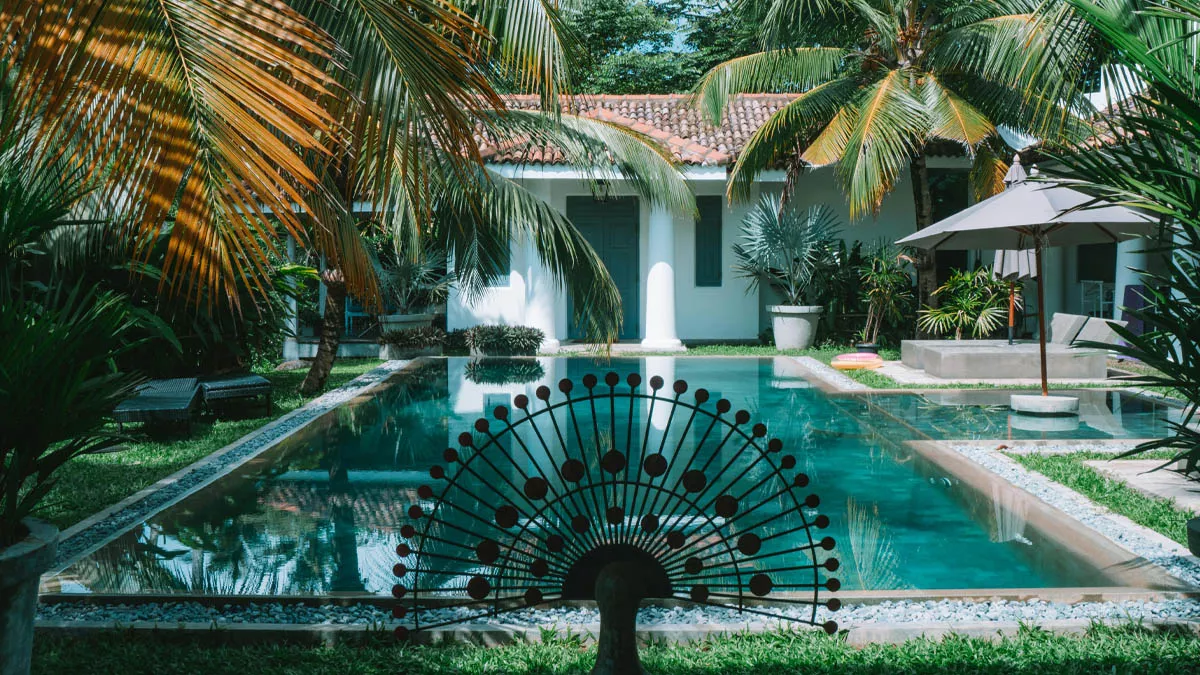
This is perhaps the most prevalent scam. Fraudsters post photos of stunning villas at unbelievably low prices—often using images stolen from legitimate listings. Once a potential buyer shows interest, they request a deposit. After payment, the scammer disappears, and the “villa” never existed.
Red flag: Deals that seem too good to be true almost always are. If a luxury villa is listed at a fraction of market value, proceed with extreme caution.
2. Price Inflation
Some unscrupulous agents or middlemen inflate the rental or purchase price of a property without the owner’s knowledge. They collect the difference as an undisclosed commission, leaving the buyer paying significantly more than the actual market rate—often while believing they’ve secured a fair deal.
Red flag: Lack of transparency around pricing. Always confirm rates with the property owner or an independent source.
3. Selling Land in Protected Zones
One of the most serious—and legally consequential—scams involves selling land in areas where foreign ownership is restricted or prohibited. These include “green zones” designated for conservation, agricultural land, or sites where building permits are impossible to obtain.
Buyers who unknowingly purchase such property may find themselves unable to develop the land, transfer ownership, or even legally occupy it. In some cases, the property can be seized by authorities.
Red flag: Sellers who cannot provide clear documentation about zoning classifications or building permits.

How to Protect Yourself: Essential Steps
1. Use Trusted Platforms and Visit in Person
Never rely solely on online listings. Use reputable real estate websites with established track records. Whenever possible, visit the property personally before committing to any payment. A site visit can reveal discrepancies between photos and reality—and allows you to verify the property’s actual condition and location.
2. Engage a Licensed Notary (Notaris)
In Bali, a licensed Indonesian notary plays a critical role in property transactions. Their job is to verify the legal status of the land, check ownership documents, and ensure that all parties have the legal authority to sell.
A qualified notary will:
- Verify the certificate of ownership (SHM or HGB)
- Check for any outstanding disputes or claims on the property
- Ensure the seller has legal authority to transfer title
- Draft and authenticate the sale and purchase deed
Important: Not all notaries are equally diligent. Choose one with a strong reputation and experience handling foreign buyer transactions.
3. Limit Initial Deposits
A common rule in Bali’s property market: never pay more than 10 percent of the total price as an initial deposit. Avoid making additional payments until all legal checks and documentation have been completed. Staging payments in this way reduces your exposure if problems arise later.
4. Work With Licensed Professionals
If you choose to work with a real estate agency, verify that they hold the necessary licenses. Two credentials are particularly important:
- ARBI (Asosiasi Real Estate Broker Indonesia): Membership in Indonesia’s real estate broker association indicates a commitment to professional standards.
- SIU P4 (Surat Izin Usaha Perantara Perdagangan Properti): This is the official trading license for property brokers, issued by the Indonesian government.
Agencies with these credentials are legally required to adhere to ethical and professional standards—offering an additional layer of protection for buyers.
Why This Matters: The Local Context
Bali’s property market operates within a complex legal framework that differs significantly from many Western countries. Foreigners cannot hold freehold title (Hak Milik) directly; instead, they typically use structures such as Hak Pakai (right to use) or nominee arrangements—each with its own legal requirements and risks.
This complexity creates opportunities for exploitation. Unlicensed brokers, forged documents, and incomplete title histories are not uncommon. Even seemingly straightforward transactions can unravel years later when disputes over boundaries, inheritance claims, or zoning violations surface.
For investors, the stakes are high. Land values in areas like Canggu, Pererenan, and Jimbaran have multiplied over the past decade, making fraud more lucrative—and more common.
A Final Word: Do It Right
Bali remains an attractive destination for property investment. The island’s tourism industry continues to grow, and well-located, legally sound properties have shown strong appreciation over time.
But the key phrase is “legally sound.”
Working with licensed professionals, verifying every document, and never rushing a transaction are not just best practices—they are essential safeguards. As one experienced investor put it: “If you’re going to invest in Bali, do it properly. The shortcuts are where the traps are.”
Disclaimer: This article provides general information about property buying in Bali and does not constitute legal advice. Buyers should engage qualified legal and professional advisors familiar with Indonesian property law before entering into any transaction.