

































BALI / JAKARTA — After months of pressure on Indonesia’s currency, the government is signaling that relief may finally be on the horizon.
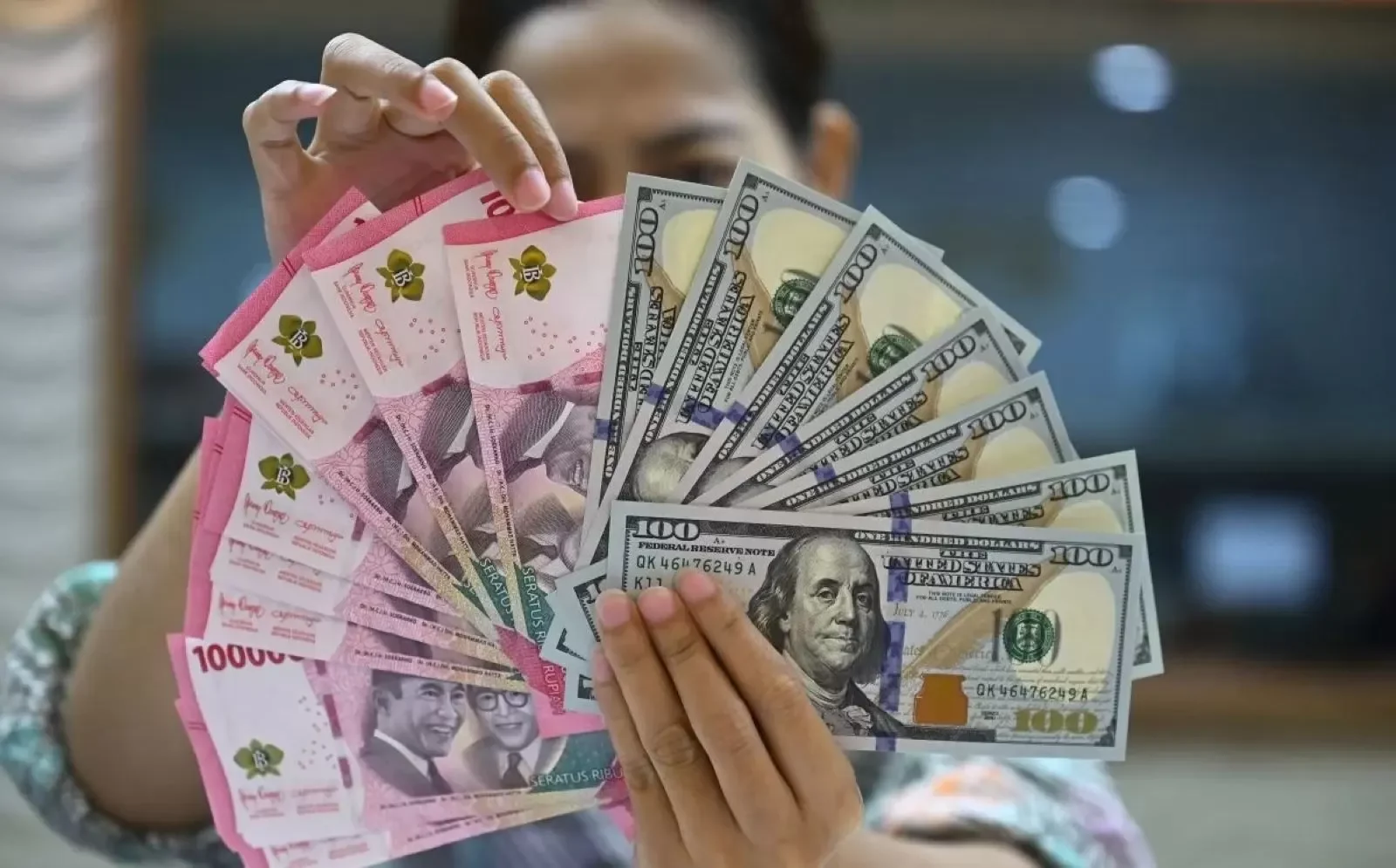
Finance Minister Purbaya Yudhi Sadewa told lawmakers Wednesday that the rupiah is expected to strengthen gradually during the second half of 2026, marking one of the government’s most optimistic currency forecasts in recent months.
“The rupiah will gradually strengthen during the second half of 2026,” Purbaya said during a parliamentary hearing.
The prediction comes after a difficult period for Indonesia’s currency, which has been weighed down by global market uncertainty, investor caution, capital outflows, and pressure on the country’s current account.
According to Purbaya, stronger coordination between fiscal, monetary, and financial authorities, combined with reforms to Indonesia’s export foreign exchange system, should help increase domestic dollar liquidity and improve investor confidence.
The government is targeting an exchange rate of between Rp16,800 and Rp17,500 per U.S. dollar in 2027, a range officials believe can be maintained if global conditions improve.
Why Global Politics Matters
Purbaya also pointed to an unexpected factor behind the forecast: geopolitics.
The minister said easing tensions between the United States and Iran could improve global economic sentiment and support emerging-market currencies, including the rupiah.
If trade flows stabilize and investors become more willing to take risks, countries like Indonesia could benefit from renewed capital inflows.
For policymakers in Jakarta, that would provide much-needed breathing room after months of currency volatility.
Good News for Indonesia. More Complicated for Bali.
A stronger rupiah is generally positive news for Indonesia’s economy.
Imported goods become cheaper. Inflation pressure eases. Companies carrying foreign-currency debt face lower repayment costs. Investor confidence often improves.
But for many foreigners living in Bali, the story is more complicated.
Digital nomads earning U.S. dollars, Australians receiving income in Australian dollars, retirees drawing pensions from Europe, and long-term expatriates paid in foreign currencies have benefited from a weak rupiah.
Simply put, their money has gone further.
A stronger rupiah changes that equation.
The same villa rental, restaurant bill, scooter service, or private driver becomes relatively more expensive when converted back into foreign currencies.
The difference may not be dramatic overnight. But over time, a recovering rupiah can quietly raise the effective cost of living for foreigners who earn abroad and spend locally.
What Travelers Should Expect
For tourists planning a short holiday, exchange-rate movements are unlikely to determine whether they visit Bali.
Flights, accommodation, and travel preferences typically play a larger role.
However, travelers arriving later in 2026 could find that their foreign currency buys slightly less than it did during the rupiah’s weaker period.
For Indonesia, that would be considered a sign of economic recovery.
For some foreign visitors and expatriates, it could mean Bali becomes a little less of a bargain destination.
A Forecast, Not a Guarantee
For now, Purbaya’s comments remain exactly that: a forecast.
Currency markets are influenced by factors far beyond Jakarta’s control, including U.S. interest rates, global growth, commodity prices, geopolitical tensions, and investor sentiment.
Still, the message from Indonesia’s finance minister was clear.
After months of defending the rupiah against global pressures, the government believes the currency’s direction may finally be turning.
Whether the market agrees will become clear in the months ahead.