




























LABUAN BAJO, Indonesia —Before the voyage began, there were doubts. They were quiet at first—questions about the condition of a boat, a hesitation at the dock, a sense that something did not match what had been promised. But like many travelers in unfamiliar places, the family chose to trust the system.
Days later, that decision would end in tragedy.
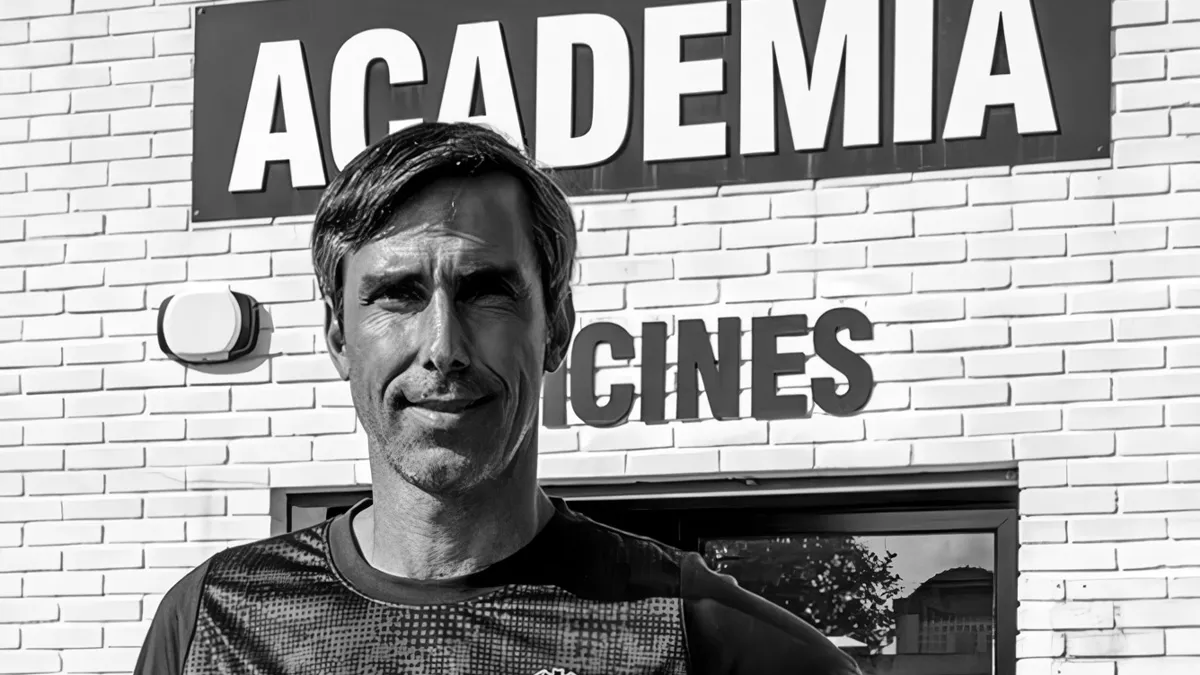
New testimony in the ongoing trial over the sinking of the KM Putri Sakinah has revealed that Fernando Martin Carreras, a Valencia women’s football coach who later died in the incident along with three of his children, had raised concerns about the vessel before boarding.
A Boat That Didn’t Match Expectations
According to his wife, Andrea Ortuño Ripoll—who survived the sinking with their youngest child—the family noticed discrepancies immediately upon arrival.
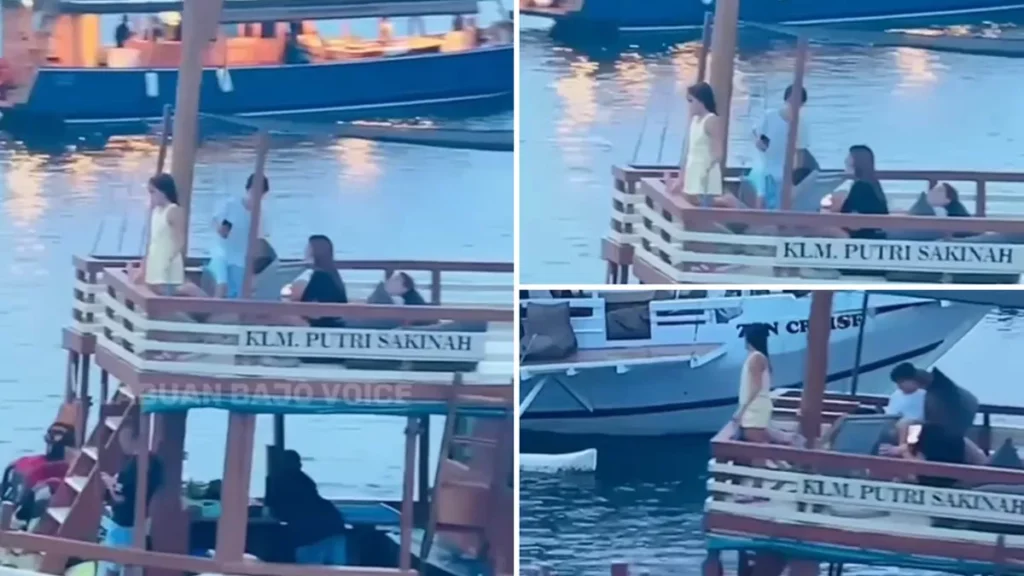
The vessel, she told the court, appeared to be in worse condition than what had been advertised online through a Labuan Bajo-based travel agent.
“He said the boat in reality looked worse than in the photos,” Andrea testified via video link from Spain, speaking through a court-appointed interpreter.
It was a moment that, in hindsight, now carries weight.

Trust Over Doubt
Despite their concerns, the family proceeded with the trip.
Andrea said they ultimately trusted that, while the appearance of the vessel raised questions, its essential safety systems—its engine, its structure—would meet basic standards.
That trust was not uncommon. In Labuan Bajo, where tourism has expanded rapidly in recent years, visitors often rely heavily on tour operators to ensure both experience and safety.
But the testimony suggests a gap between expectation and reality—one that may have gone unchallenged until it was too late.
No Safety Briefing, No Warning
As the journey began on the afternoon of December 26, 2025, the family departed from Marina Labuan Bajo, heading toward the familiar tourist route of Kalong Island and Padar Island.
What they did not receive, Andrea told the court, was any formal safety briefing.
No explanation of emergency procedures.
No instructions on safety equipment.
No information about weather conditions.
Instead, she recalled being told to move quickly—so the group could arrive early at Padar Island for a planned sunrise trek the following morning.
The pace of the itinerary, she suggested, took precedence over preparation.
Life Jackets That Raised Questions
The issue of safety equipment emerged again before departure.
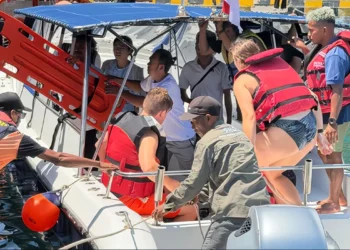
Andrea and her family were asked to wear life jackets—but only briefly, during a short transfer by small boat from the marina to the main vessel.
Even then, she said, the equipment raised concerns.
The life jackets appeared undersized and poorly maintained. When the family questioned their condition, they were reassured that it would not matter—they would only need them for a couple of minutes.
Once aboard the main vessel, Andrea said, no further instruction was given, and life jackets were no longer required.
From Sunset to Disaster
The trip initially followed a familiar rhythm.
The family enjoyed the sunset at Kalong Island, one of the region’s most popular stops. Hours later, however, the situation changed.
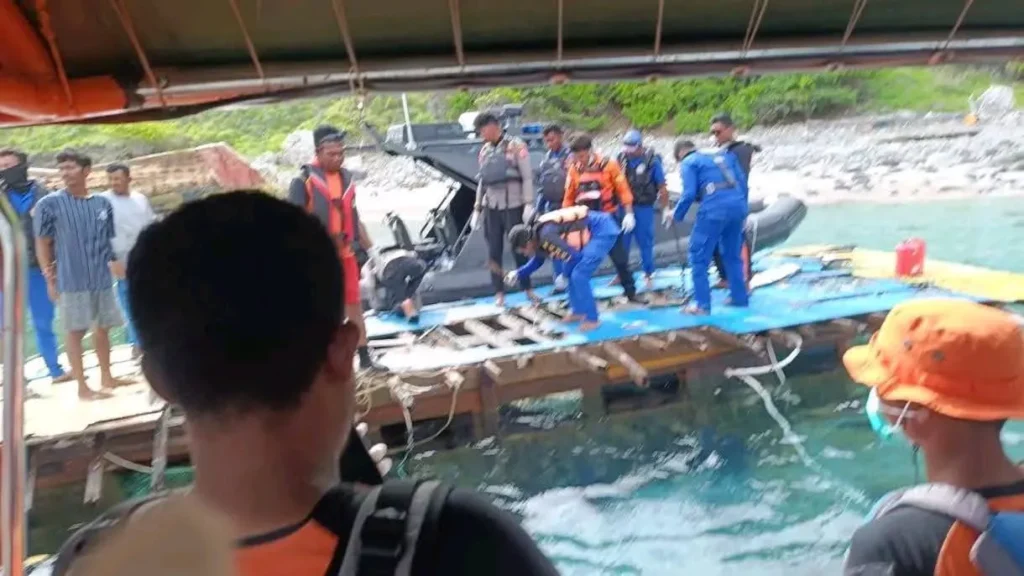
That night, in the waters near Padar Island, the KM Putri Sakinah was struck by strong waves and sank.
Andrea survived. Her husband and three children did not.
A Trial That Raises Broader Questions
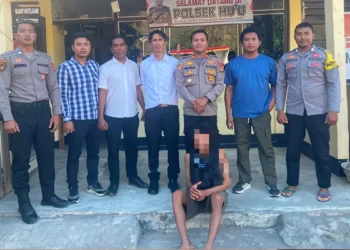
The case is now being examined in court, where two defendants—the ship’s captain, Lukman, and a crew member, Muhamad Alif Latifa N. Djudje—face charges related to negligence resulting in death.
Alongside Andrea’s testimony, the court has heard from a range of witnesses, including maritime authorities, weather officials, and crew members, as it attempts to reconstruct the chain of events.
But beyond individual responsibility, the case is exposing deeper structural issues.
A System Under Pressure
Labuan Bajo has been positioned as one of Indonesia’s flagship tourism destinations—a gateway to the Komodo National Park and a symbol of the country’s global tourism ambitions.
Yet rapid growth often brings uneven oversight.
For international visitors, the tragedy raises uncomfortable but necessary questions:
How closely are operators regulated?
How accurately are services represented online?
And when concerns are raised before departure, who is responsible for addressing them?

The Weight of What Was Known
In court, Andrea’s testimony did not rely on speculation. It focused on what was seen, what was said, and what was missing.
A boat that did not match its advertisement.
Safety concerns voiced—but not acted upon.
A journey that began with doubt—and ended in loss.
The answers, ultimately, will be determined in court.
But the questions now extend far beyond it.