



































LABUAN BAJO, Indonesia – For a few tense weeks at the start of the year, one of Indonesia’s most iconic wildlife sanctuaries sat unusually quiet.
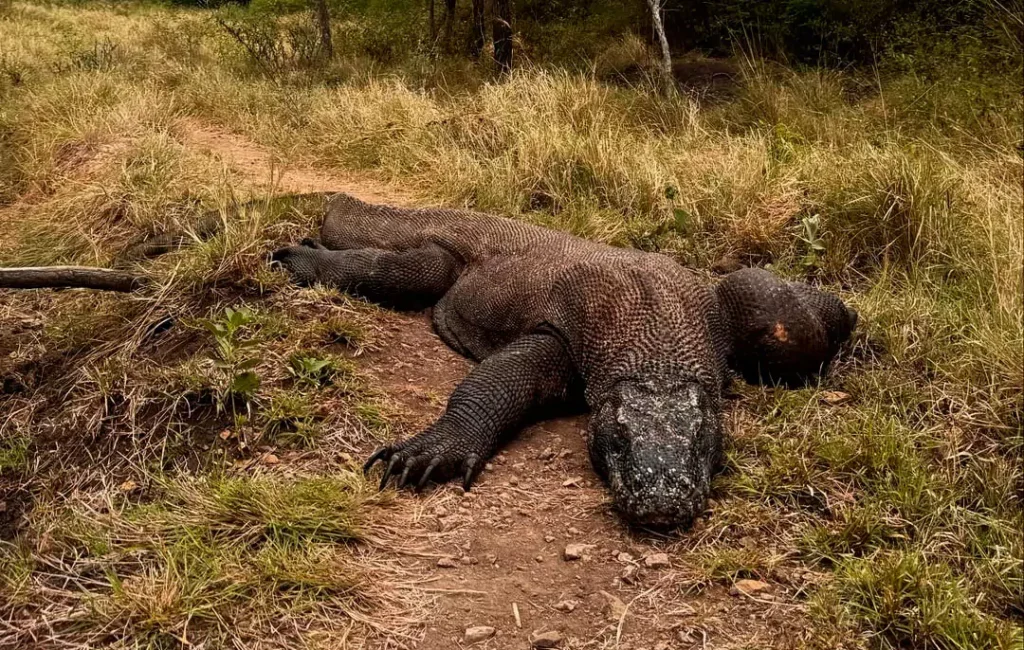
A tragedy at sea had forced the closure of Komodo National Park, the only place on Earth where the prehistoric-looking Komodo dragon still roams wild. By June, though, the park wasn’t just back to normal. It had smashed its own visitor records.
New figures released this week by the park authority show that 200,985 tourists passed through Komodo National Park between January and June 2026 — a number that edges out the same period last year, when 171,391 visitors were recorded. For a destination that briefly ground to a halt, it’s a remarkable turnaround.
A Somber Start to the Year
The reason for January’s rock-bottom numbers, just 3,258 visitors, wasn’t a lack of interest. It was grief and caution.
In late 2025, the traditional pinisi schooner Putri Sakinah sank in the waters around Labuan Bajo, a tragedy that claimed the life of a coach with Spanish football club Valencia FC’s women’s team. Authorities responded by temporarily closing the national park, a decision that prioritized safety and mourning over tourism revenue, but one that left January’s arrival numbers looking almost frozen in comparison to the months that followed.
For travelers who had booked liveaboard trips or dragon-trekking excursions around that time, it was a stark reminder that Indonesia’s wilder corners come with real risks, even in a region built around adventure tourism.
Then the Numbers Took Off
What happened next is where the story gets interesting.
By February, visitor numbers had jumped nearly sevenfold to 20,793. March held steady at a similar level. Then came the real surge: April brought 47,683 visitors, May pushed past 48,958, and June closed out the half-year at 49,656, the single busiest month on record for this period.
Hendrikus Rani Siga, head of the Komodo National Park Authority, confirmed the breakdown on Tuesday, noting that international travelers overwhelmingly drove the rebound. Of the roughly 201,000 total arrivals, 171,444 were foreign tourists, compared to just 29,541 domestic visitors, a ratio that underscores just how central Komodo has become to Indonesia’s international tourism strategy, and how reliant Labuan Bajo’s local economy is on travelers arriving from overseas.
Why This Matters for Anyone Planning a Trip
For expats and travelers based in Bali eyeing a side trip to Flores, the numbers tell two stories at once.
The first is reassurance: the park’s rapid return to, and past, its pre-incident visitor levels suggests operators, guides, and local authorities responded seriously to the January tragedy rather than simply waiting it out. Safety protocols around liveaboard boats and park access have been under heightened scrutiny since the sinking.
The second is a practical heads-up. With nearly 50,000 visitors now arriving in Komodo National Park each month during peak season, the days of having a beach or a dragon-viewing trail largely to yourself are fading fast. Anyone hoping to avoid the crowds that now define destinations like Padar Island’s famous viewpoint or Pink Beach may want to consider shoulder months rather than the June-through-August rush.
What’s Next
The park authority has yet to signal any new visitor caps or seasonal restrictions, but the scale of this year’s rebound, arriving just months after a fatal accident, raises an obvious question hovering over Labuan Bajo’s tourism boom: can infrastructure, boat safety standards, and conservation efforts keep pace with demand that’s growing this fast?
For now, the dragons of Komodo have more company than ever. Whether that’s sustainable for the park, and for the fragile ecosystem its famous residents call home, is the conversation likely to define Labuan Bajo’s next chapter.