



















In Serangan, a unique exhibition reveals a community-led blueprint for sustainable development—where green hydrogen tech meets traditional banjar wisdom, offering a bottom-up model for Indonesia’s energy transition.
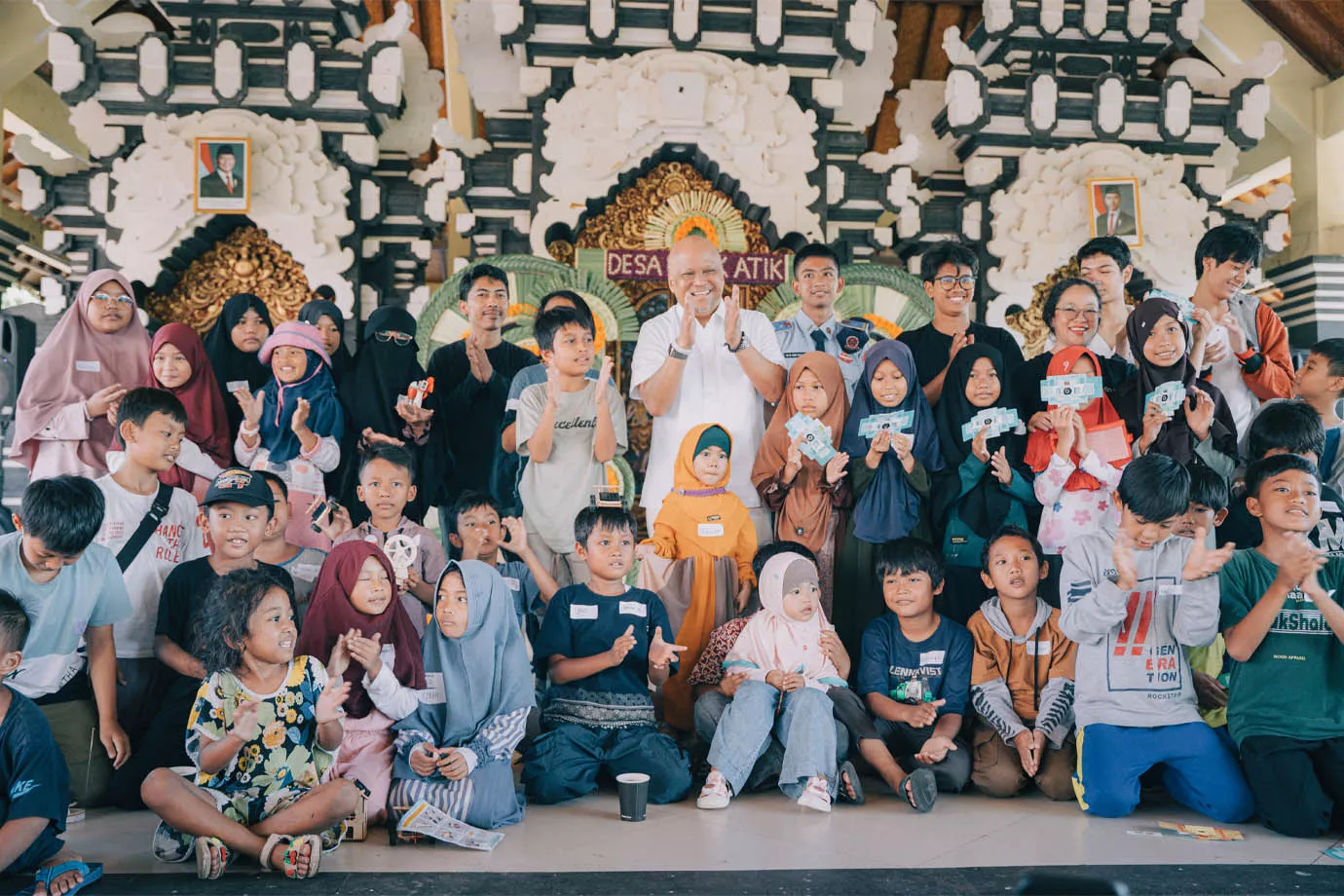
Bali, Indonesia – Tucked away on the small island of Serangan, just south of Denpasar, a quiet revolution is taking shape. It’s not in a gleaming tech park or a government ministry, but within the communal halls (banjar) and coastal lanes of a traditional fishing village. Here, the Serangan Green Hydrogen Village project has culminated in the launch of “Desa Utak Atik” (The Tinkering Village), an interactive exhibition and permanent community workshop that represents a radical, bottom-up approach to sustainable development.
For tourists and expats in Bali, the Serangan Green Hydrogen Village isn’t just local news—it’s a tangible glimpse into how the island is actively confronting its environmental challenges. This pioneering community-led model signals a shift toward a more resilient, self-sufficient Bali, one that could directly impact the quality of the sea you swim in, the air you breathe, and the long-term sustainability of the paradise you’ve chosen to visit or call home.
The initiative—spearheaded by the CAST Foundation, Meaningful Design Group (MDG), and Fab Lab Bali—flips the conventional top-down model of technology transfer. Instead of imposing pre-packaged solutions, the Serangan Green Hydrogen Village embeds innovation within the existing social fabric of Serangan, a village of about 4,080 people across six traditional banjars and one Kampung Bugis. The goal is audacious yet simple: to position the community not as passive recipients, but as the primary agents of their own green transition through this community-led sustainable model.
A Model Forged from Local Realities
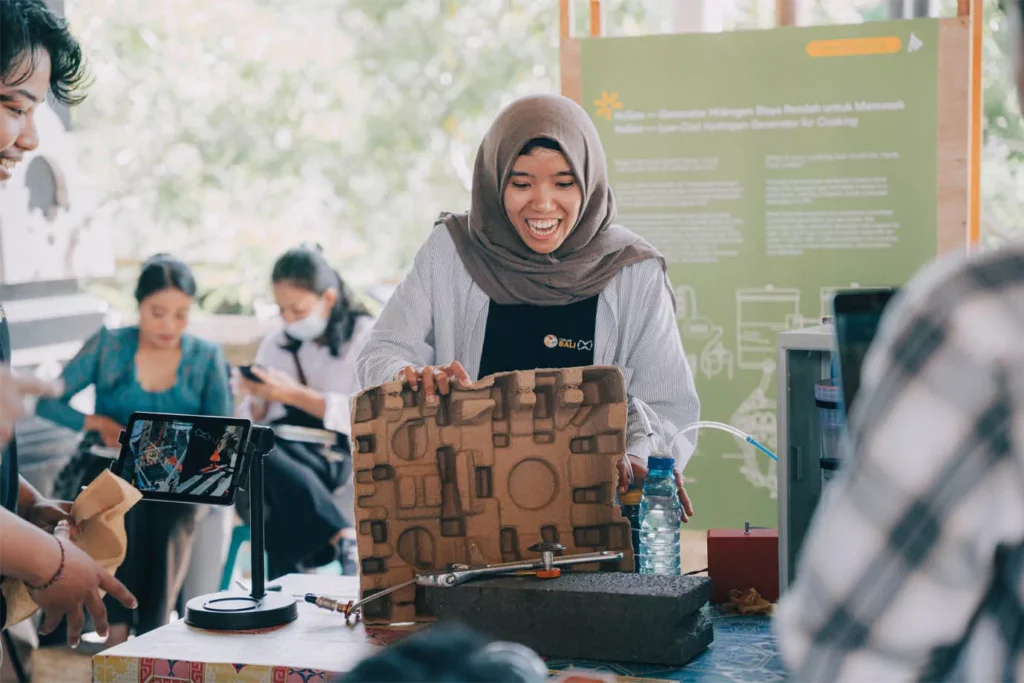
The Serangan Green Hydrogen Village project addresses a triad of pressing challenges: local economic resilience, coastal ecosystem protection, and the contextual adoption of technology. In Serangan, where livelihoods are deeply tied to the sea, sustainability is not an abstract ideal but a practical necessity driving this community-led sustainable model.
“What we are building here is critical thinking within the community about sustainable living, protecting the coastal ecosystem, and ensuring advanced technology is applied in a way that fits our local social and cultural context,” said Wan Zaleha Radzi, Founding Partner of the CAST Foundation, during the exhibition’s opening.
The technological heart of the Serangan Green Hydrogen Village is green hydrogen—produced using solar energy, of which Bali has an abundance, averaging 4.8 kWh/m² per day. This clean energy carrier offers a high mass-based energy density, presenting a viable alternative to fossil fuels for specific local needs. Crucially, its development is woven into the village’s daily life through the Utak Atik Kios, a permanent space where youth learn to assemble devices, repair equipment, and engage with clean energy concepts, ensuring the Serangan Green Hydrogen Village remains anchored in hands-on, local participation.
Why This Matters for Bali’s Visitors and Residents
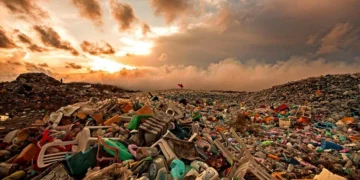
For the global reader, digital nomad, or long-term traveler in Bali, the Serangan Green Hydrogen Village project is a case study in meaningful, regenerative tourism. It moves beyond surface-level “eco” labels and demonstrates how technology can be harnessed to solve real problems—from reducing plastic waste that washes onto beaches to creating cleaner alternatives to the generators that power remote villas.
This project offers a new narrative: that Bali’s future isn’t just about preserving culture for tourists, but about empowering communities to build a cleaner, more self-reliant economy. This directly benefits anyone who loves the island, leading to healthier reefs for divers, cleaner air for cyclists, and a more stable, sustainable destination for future visits.
“Utak Atik”: Where Global Tech Meets Banjar Spirit
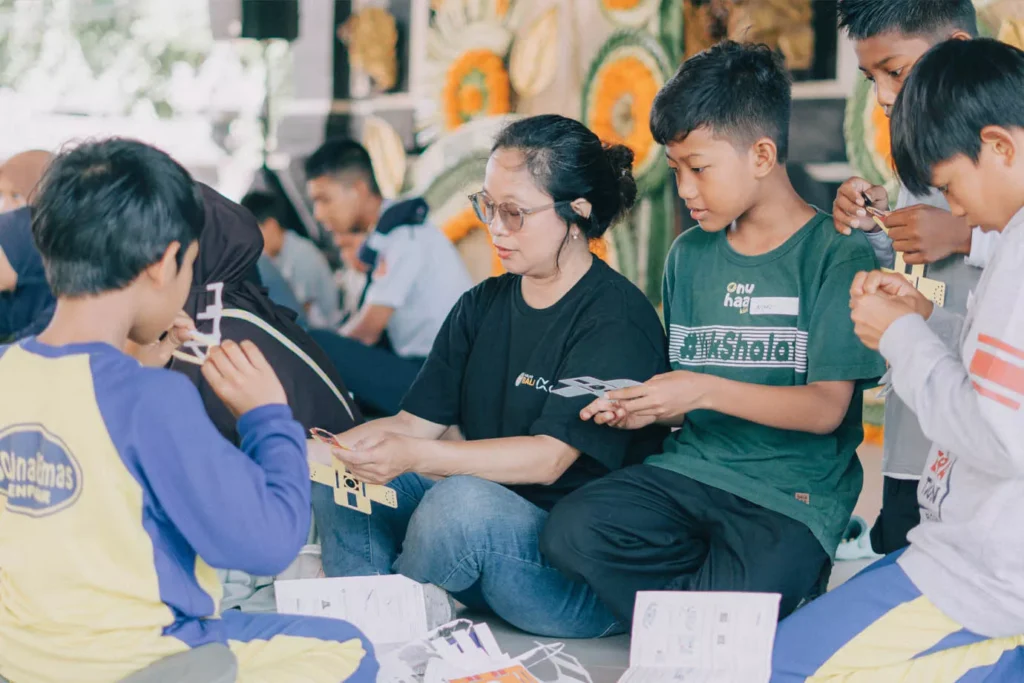
The term “utak atik” captures the Javanese spirit of joyful tinkering, experimentation, and collective problem-solving at the heart of the Serangan Green Hydrogen Village. The exhibition itself is a “living archive” of this community-led sustainable model, showcasing prototypes, field tests, and community workshops that demonstrate how innovation flourishes when it respects and leverages local culture.
“The workshop activities aim to foster critical thinking among Serangan’s younger generation, making them familiar with technology so they can become the main actors in their region’s sustainable future,” Radzi added, highlighting the educational core of the Serangan Green Hydrogen Village.
This philosophy is rooted in Bali’s own systems of communal creativity, such as the cooperative water management of subak and the social organization of the banjar. By using these structures as a foundation, the Serangan Green Hydrogen Village ensures that technology strengthens, rather than disrupts, the socio-ecological balance—proving that a community-led sustainable model can be both innovative and culturally coherent.
A Village-Scale Blueprint for a National Challenge
The Serangan model posits that the path to a net-zero future need not start with massive, centralized infrastructure. It can begin in a village, growing organically from a community that understands its own environment and needs.
“There is still much to improve, of course, but it cannot be instant. It requires gradual community awareness to maintain social harmony and understand the potential of the natural wealth here in Serangan,” noted Kaling Wayan, Head of the Banjar Dukuh neighborhood.
By connecting Serangan to global knowledge networks like the MIT Fab Lab Network, the project brings world-class research into direct dialogue with local challenges. “By working in a local context, we see how advanced technology can be applied with a more relevant approach, one that respects culture and local conditions,” said Tomás Diez, Founding Partner of Meaningful Design Group.
A Democratized Vision of Innovation
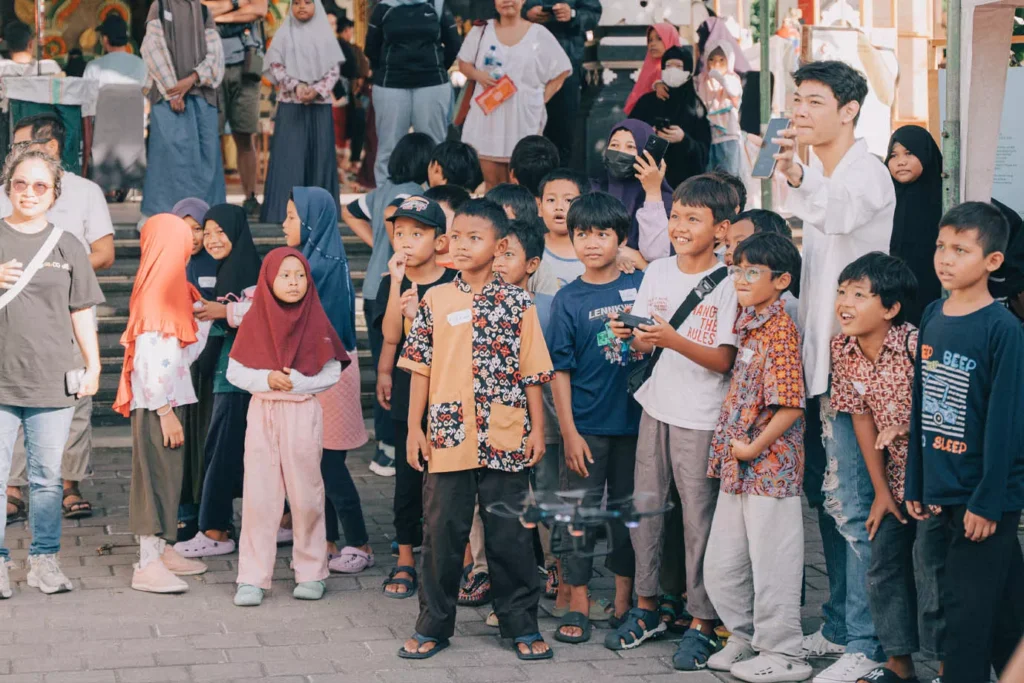
Perhaps the most powerful statement came from Ilham Habibie, Founding Partner of both CAST Foundation and MDG, who framed the project as one of democratic empowerment:
“At Desa Utak Atik, we see open innovation that involves the community—low-cost innovation relevant to people’s needs. The democratization of technology opens up and gives everyone the chance to innovate. Indonesian society is capable and can compete in the field of innovation and technology, as long as it is given the opportunity, guidance, and its self-confidence is built.”
The Serangan Green Hydrogen Village and its Utak Atik exhibition offer more than a local solution; they present a scalable, human-centered blueprint. For the international community in Bali, it’s a compelling invitation to look beyond the resort walls and see the island as a living lab for sustainability—a place where your presence can be part of a solution, not just a demand on resources.
In a world grappling with the complex justice of energy transition, this Balinese village is proving that the most sustainable future might just be engineered not by experts alone, but by the collective, tinkering spirit of a community.
Reported by Ferry Fadly
Written by Hey Bali Newsroom