




























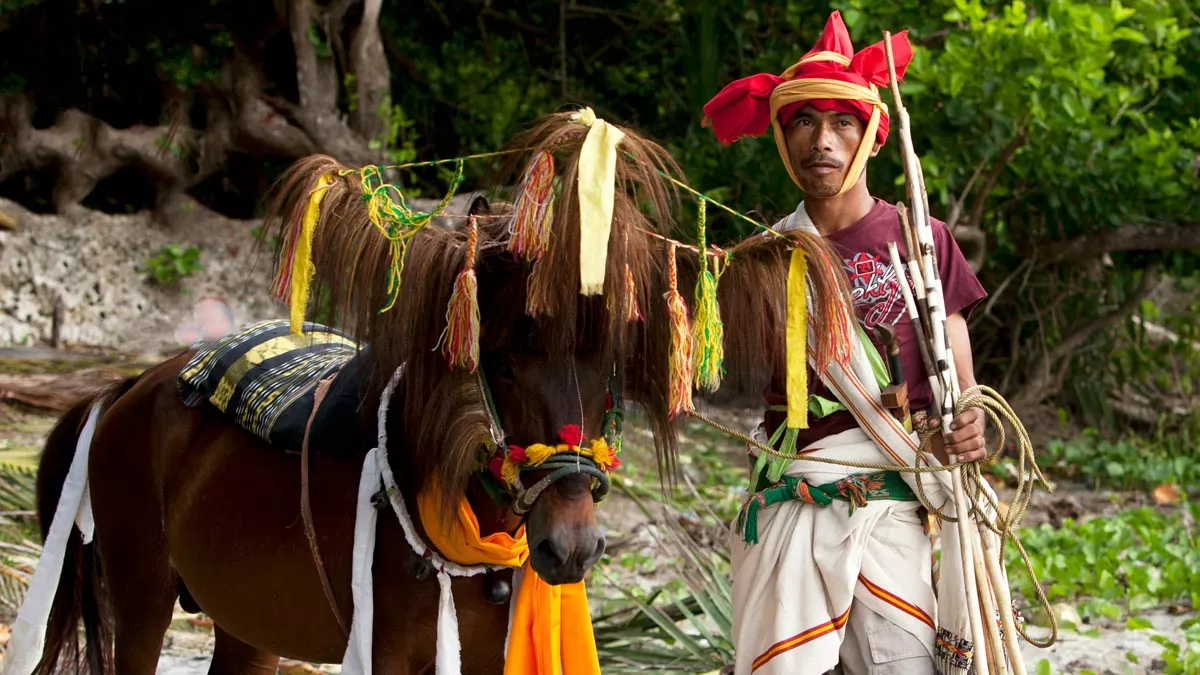
Sumba Tourism offers travelers experiences like Umbu Ngedo Village, where visitors can dress in ancestral cloth, ride local horses, and discover a version of Indonesia that feels far removed from Bali’s beach clubs.
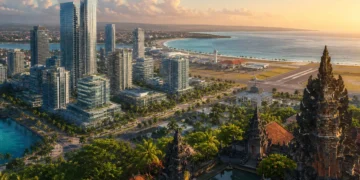
UMBU NGEDO, Indonesia – Bali has its infinity pools. Lombok has its waterfalls. But on the island of Sumba, two hours east by air, the tourism experience moves at a different pace.
Here, horses are still transport.
Traditional ikat weaves are still worn, not just displayed.
And at a village called Umbu Ngedo, travelers can now rent both — a horse and full ceremonial dress — for an afternoon that feels less like a typical tour and more like stepping into a living culture.
For a destination long known primarily to surfers and anthropologists, this is a quiet shift toward something new.
Not mass tourism.
Not luxury resorts (though those exist too).
But something in between: experiential travel that generates income for local communities while preserving traditions that might otherwise fade.
The Village: Umbu Ngedo
Located in Kodi Bangedo District, Southwest Sumba Regency, Umbu Ngedo is not a single attraction. It is a collection of traditional villages, including the historic Ratenggaro Village — one of the oldest on the island.
Ratenggaro is known for its towering stone megaliths, sacred ancestral graves, and traditional Sumbanese houses with their distinctive high-peaked roofs. For decades, it has drawn anthropologists and photographers. But only recently has it begun to attract regular tourists.
The difference now is what visitors can actually do once they arrive.
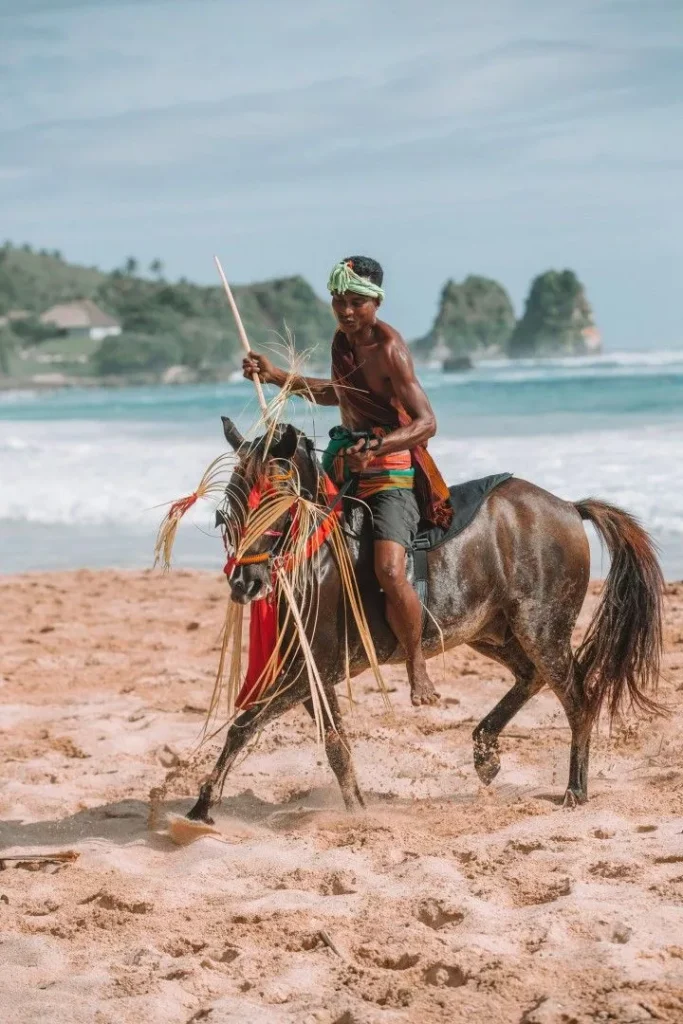
Riding in Tradition
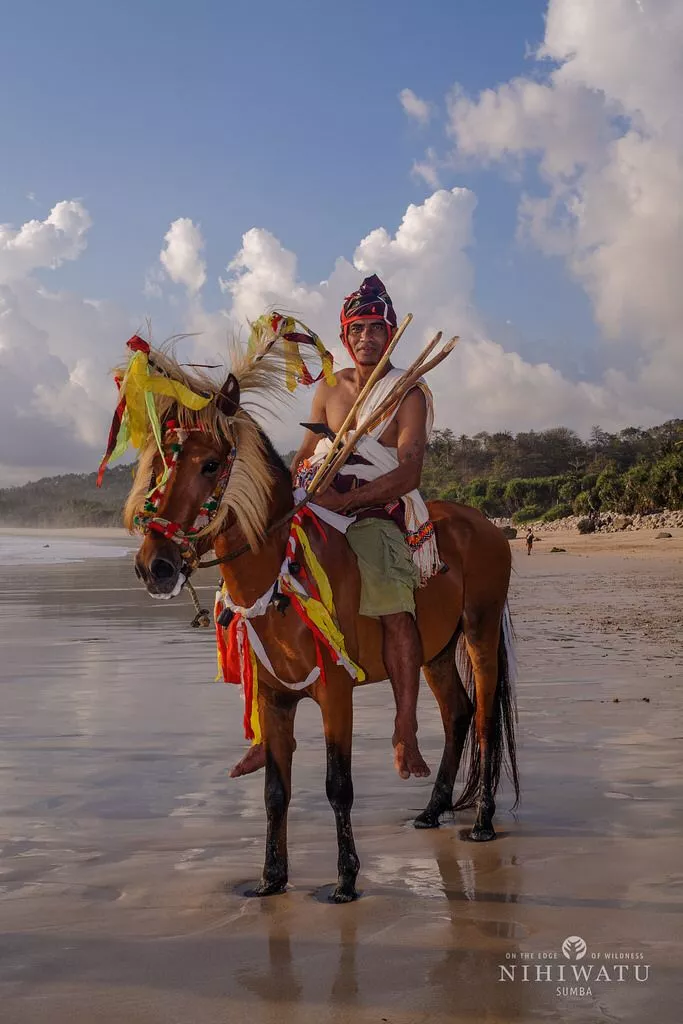
According to a viral TikTok video posted by user @sans, tourists at Umbu Ngedo can rent both traditional Sumbanese clothing and a horse for a cultural riding experience.
The concept is simple but effective.
Visitors choose from a selection of traditional attire — handwoven ikat cloth, elaborate headpieces, and ceremonial accessories — then mount a local horse to explore the surrounding landscape.
It is part photoshoot, part cultural immersion, and part economic opportunity for the women who provide the clothing rentals.
Prices range from approximately Rp100,000 to Rp200,000 (US12) per person, depending on the complexity and completeness of the outfit.
Horse rentals are arranged separately, often through local families who raise and train the animals.
Beyond the Ride
The horse-and-traditional-dress experience is the headline.
But the deeper offering is access to Sumba’s living heritage.
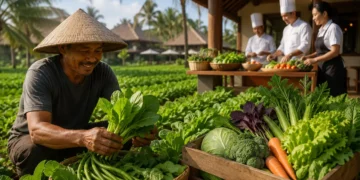
Visitors to Umbu Ngedo can also watch women weaving ikat cloth — a labor-intensive process that can take months to complete a single piece. They can purchase directly from weavers, bypassing middlemen and ensuring that more of their money stays in the village.
They can walk among megalithic tombs, learning about Sumba’s unique blend of ancestor worship and Christianity.
And they can see, firsthand, how a community balances preservation with the demands of modern tourism.
What This Means for Travelers

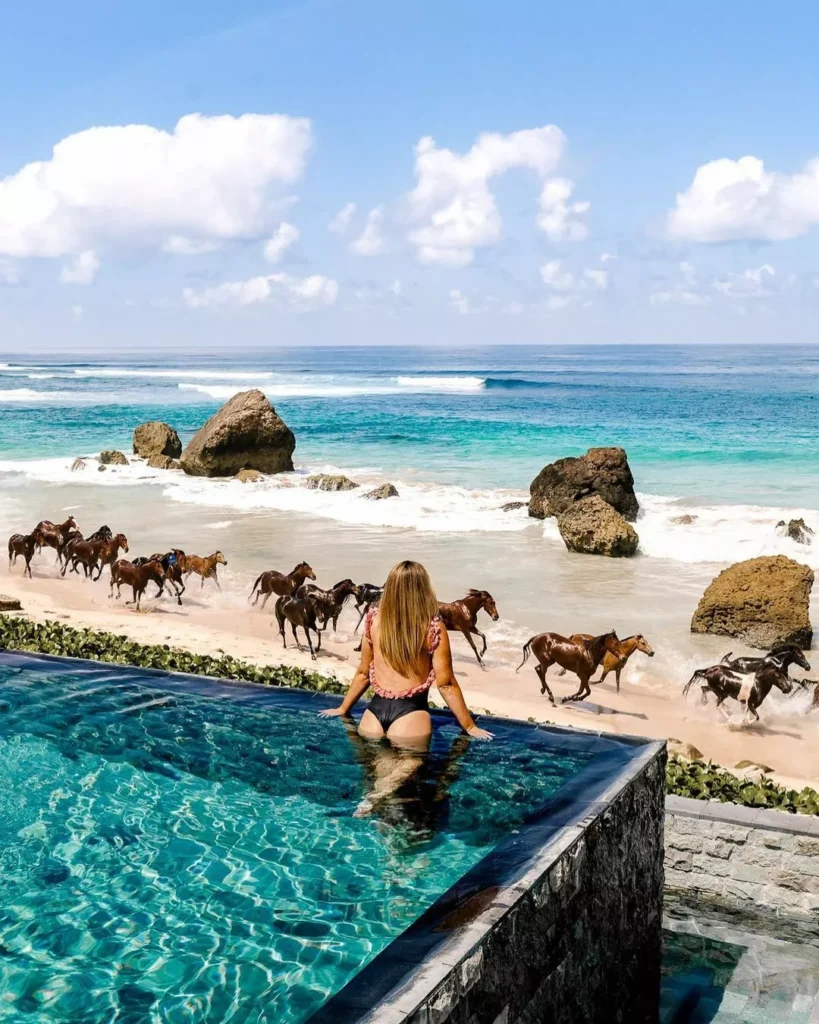
For international visitors planning a trip to Indonesia, Sumba has long been positioned as “the next Bali” — a phrase that has been applied to so many destinations that it has lost much of its meaning.
But Sumba is not trying to be Bali.
What it offers is something different.
Authenticity. Not the curated kind found in Instagram-ready cafes, but the unpolished kind found in villages where tourists are still unusual enough to draw curious stares.
Space. Sumba is large — roughly the same area as Bali — but with a fraction of the population. Crowds are not an issue.
Cultural depth. Sumba’s traditions are not performances. They are lived. The ikat weaves, the horse culture, the megalithic rituals — these are not shows for tourists. They are daily life. Visitors are simply invited to witness and participate respectfully.
Practical Information
Getting there: Flights from Bali to Tambolaka Airport (TMC) in Southwest Sumba take approximately one hour and are operated by several domestic airlines.
Getting around: Renting a car or hiring a local driver is recommended. Distances between villages can be significant, and public transport is limited.
Accommodation: Options range from basic homestays in traditional villages to luxury eco-resorts such as Nihi Sumba, frequently ranked among the world’s best hotels.
Best time to visit: The dry season, from April to November, offers the most reliable weather. The wet season (December to March) can make roads challenging.
Cultural etiquette: Sumba remains conservative in many areas. Visitors should dress modestly, ask permission before photographing people or ceremonies, and be prepared to contribute fairly for services and experiences.
Why This Matters for Investors and Industry Executives

For those watching Indonesia’s tourism development beyond Bali, Sumba represents both opportunity and caution.
The opportunity is clear. Sumba has world-class natural beauty, unique culture, and a level of authenticity that high-end travelers increasingly seek. Luxury resorts have already demonstrated that there is demand.
The caution is equally clear. Infrastructure remains limited. Air access is improving but not yet robust. And the island’s cultural heritage is fragile. Poorly managed tourism could do more harm than good.
What makes Umbu Ngedo’s horse-and-traditional-dress experience notable is its scale. It is small. It is community-driven. It does not require massive investment or government megaprojects.
It simply requires visitors — and a system that ensures their spending benefits the people who live there.
The Horse, The Cloth, The Future
On a quiet afternoon in Southwest Sumba, a traveler in ikat cloth sits atop a local horse, looking out over rice fields and stone tombs.
The moment is photographed. Shared. Liked.
But what matters is not the social media engagement.
What matters is that the horse was rented from a family that depends on it. The cloth was woven by a woman whose income now sends her children to school. The village sees a future where young people do not have to leave for the city to find work.
That is the real promise of Sumba.
Not to become the next Bali.
But to become the first Sumba.