
































BADUNG, Bali — For many visitors, a day in Bali is measured by sunsets, surf conditions, or dinner reservations. For locals, time follows a different rhythm—one shaped by a spiritual calendar that quietly influences daily life.
March 21, 2026, may seem like just another Saturday. But in the Balinese Hindu calendar, it carries specific meanings that affect when people pray, hold ceremonies, or even avoid certain activities.
Understanding days like this doesn’t just add cultural insight—it helps travelers and residents navigate Bali more respectfully and more smoothly.
A Day Centered on Purification
In the Balinese calendar, March 21 is associated with Dina Mandi—a day dedicated to purification.
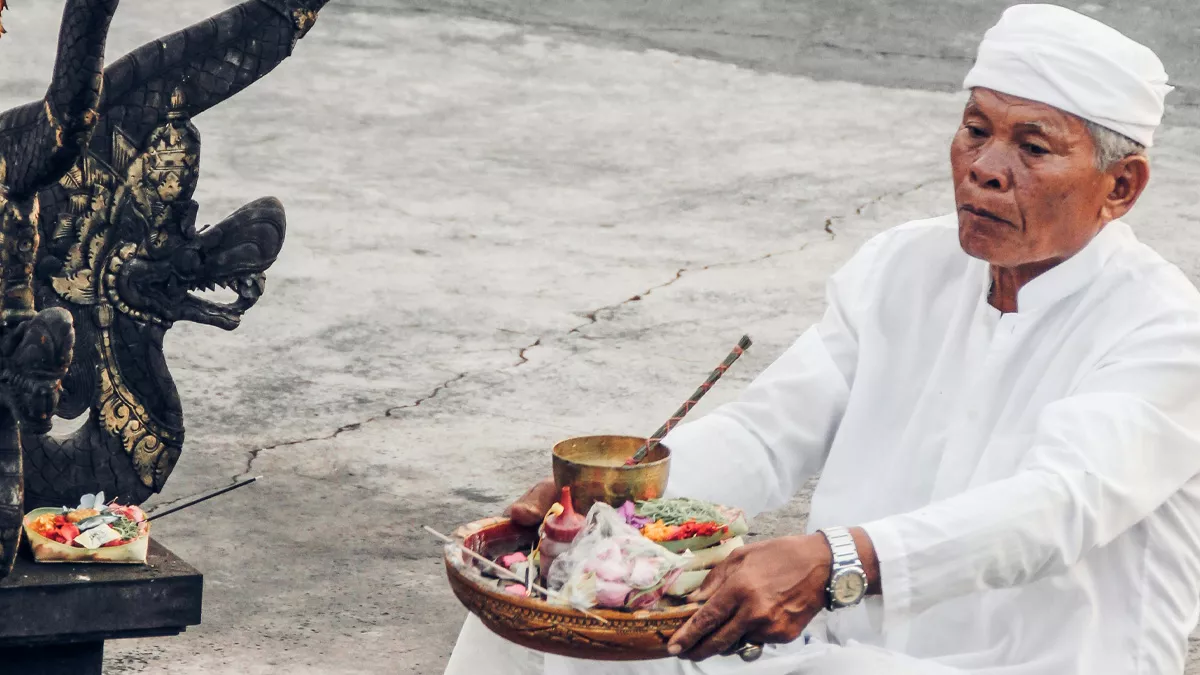
For Balinese Hindus, purification goes beyond physical cleansing. It is about restoring balance between the body, mind, and spirit. On days like this, people may visit temples, perform ritual bathing, or make offerings at home.
You may also hear terms like:
- Nunas petuah — seeking guidance or wisdom
- Ngedasin — creating or blessing protective spiritual objects
What you might notice:
Temples and family compounds may be more active than usual, with quiet ceremonies taking place throughout the day.
When Direction and Timing Matter
Unlike Western calendars, the Balinese system also considers direction and timing.
On this day, a period known as Catur Laba is considered favorable—especially for activities involving travel toward the north, which is traditionally associated with positive energy and safety.
This period is also seen as auspicious for:
- Manusa Yadnya — life-cycle ceremonies such as weddings or coming-of-age rituals
- Pitra Yadnya — ceremonies honoring ancestors
At the same time, certain periods—such as Carik Walangati—are considered unsuitable for major events like weddings, cremations, or starting construction.
What this means for you:
If you’re staying near a traditional village or temple, you may encounter ceremonial activity—or notice that some events are intentionally postponed.
Daily Life Decisions, Guided by the Calendar
The Balinese calendar doesn’t just guide ceremonies—it influences practical decisions.
On March 21:
- A period called Kala Upa is considered favorable for starting activities like raising livestock
- Another period, Kala Rumpuh, is seen as unsuitable for moving house
While these details may seem highly specific, they reflect something deeper:
daily life in Bali is closely tied to spiritual timing.
For residents and long-term visitors:
You may find that staff, contractors, or local partners prefer to delay certain activities based on these considerations.
Understanding the Energy of the Day
Balinese tradition also assigns symbolic qualities to each day. For March 21, these include:
- Laku Api — associated with strong, dynamic energy
- Satria Wibawa — reflecting dignity, leadership, and authority
- Suka Rahayu — a blessing of safety and well-being
- Widnyana — representing wisdom and clarity
In simple terms, the day is seen as one that supports reflection, purification, and thoughtful decision-making.
Why This Matters for Travelers and Investors
You don’t need to fully understand the Balinese calendar to benefit from it—but being aware of it can make a difference.
For travelers:
- You’ll better understand why ceremonies take place or why certain businesses may operate differently
- You’ll avoid unintentionally disrupting important local practices
For residents and investors:
- Aligning with local timing builds trust and smoother relationships
- It helps avoid scheduling conflicts with ceremonies or culturally sensitive days
In Bali, respecting timing is not just about tradition—it’s part of how things function.
A Moment of Shared Spiritual Meaning
March 21, 2026, also coincides with Idul Fitri, the Islamic celebration marking the end of Ramadan.
While Bali is predominantly Hindu, Indonesia’s broader cultural landscape is deeply interconnected. The overlap of sacred moments reflects a wider theme: spiritual renewal across different traditions happening at the same time.
More Than Just a Date
For visitors, March 21 may pass quietly. But for those who look a little closer, it offers insight into how Bali works beneath the surface.
This is not just a destination—it is a place where time, ritual, and daily life are intertwined.
Understanding that doesn’t require deep study. Sometimes, it simply starts with noticing that not every day in Bali is the same.
Note: Balinese calendar interpretations may vary by village and local tradition. Visitors are encouraged to observe respectfully and seek guidance when unsure.