
































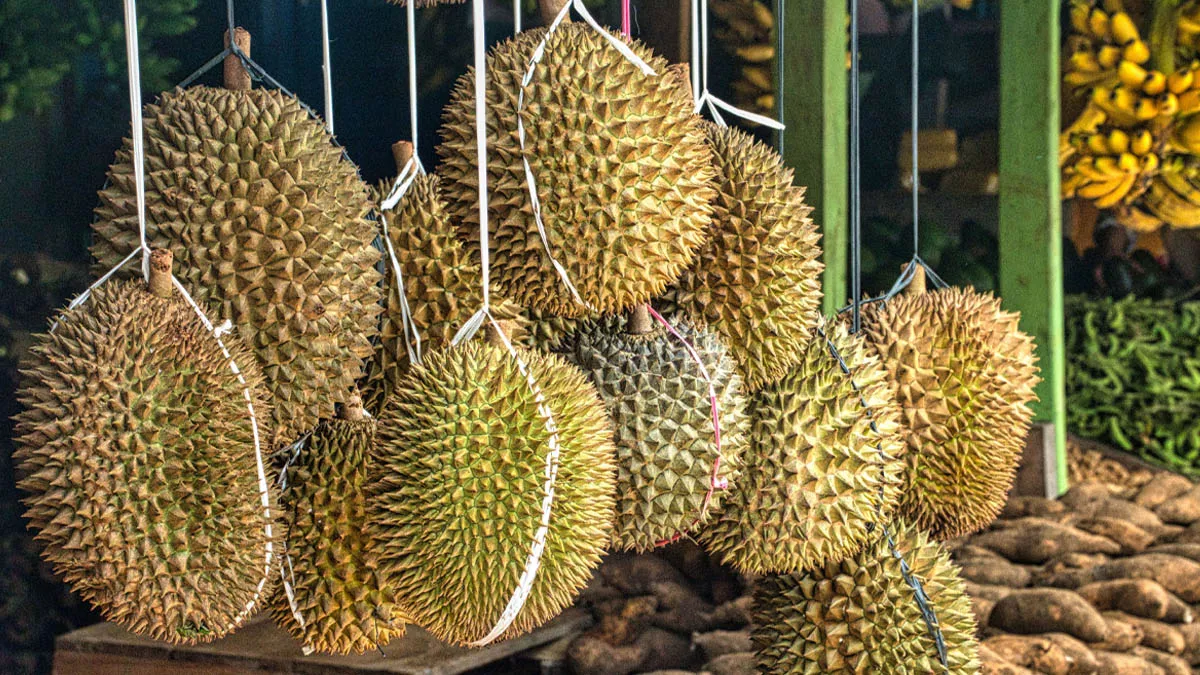
Today, durian is a familiar sight at roadside stalls across Indonesia, Thailand, and Malaysia. Loved by many and avoided by others because of its powerful smell, the spiky tropical fruit has become one of Southeast Asia’s most recognizable foods. But two centuries ago, it was considered so extraordinary that some European explorers described it as more valuable than one of Europe’s greatest luxury fruits: the pineapple.
Long before durian became a staple of local markets, it was regarded by European travelers as one of the rarest culinary discoveries in the East. Their accounts helped transform the fruit into a legendary delicacy, eventually earning it the title “King of Fruits.”
When Durian Was Worth More Than Pineapples
One of the earliest detailed accounts came from Scottish explorer John Crawfurd in his 1820 memoir History of the Indian Archipelago.
While traveling through the Indonesian archipelago, Crawfurd observed that a single durian could sell for more than the price of a dozen pineapples.
To modern readers, that comparison may seem surprising.
In early 19th-century Europe, pineapples were among the world’s most exclusive luxury foods. Because they were extremely difficult to cultivate in colder climates, they became symbols of wealth, prestige, and aristocratic status. Owning or serving a pineapple at a dinner party was considered a display of extraordinary affluence.
Against that backdrop, the high value placed on durian reflected just how prized the fruit was within Southeast Asia.
The Smell Shocked Him. The Taste Changed Everything.
Like many first-time visitors, Crawfurd was initially put off by durian’s intimidating appearance and famously pungent aroma.
Its large, thorn-covered shell and powerful scent left a poor first impression.
That changed the moment he tasted the creamy flesh inside.
Crawfurd described the fruit as unlike anything he had eaten before, writing that its rich flavor surpassed every other fruit he had encountered. Rather than becoming overwhelming, he noted that eating durian only increased his appetite.
He also remarked that the seeds could be roasted and eaten, comparing their flavor to chestnuts.
His enthusiastic account would become one of many European writings praising the fruit’s remarkable taste despite its controversial smell.
European Fascination Began Centuries Earlier
Crawfurd was far from the first European to be captivated by durian.
As early as 1599, Dutch traveler Jan Huyghen van Linschoten wrote that durian possessed a flavor superior to any other fruit he had tasted.
More than a century later, German-born naturalist Georg Eberhard Rumphius devoted significant attention to the fruit in his monumental botanical work Herbarium Amboinense, published in 1741.
Rumphius described its formidable spiny exterior and penetrating aroma but concluded that the flesh inside was exceptionally delicious.
These writings introduced generations of European readers to a fruit unlike anything found on their own continent.
How Durian Became the “King of Fruits”
Perhaps no explorer did more to shape durian’s global reputation than British naturalist Alfred Russel Wallace, who spent years traveling across the Malay Archipelago.
In his influential 1869 book The Malay Archipelago, Wallace famously described durian as one of the finest fruits in the world.
He praised its complex flavor as incomparable and helped popularize the nickname that remains widely used today: the King of Fruits.
His endorsement carried significant weight among European audiences because Wallace was already internationally respected for his groundbreaking work in natural history alongside Charles Darwin.
An Indonesian Fruit With Ancient Roots
Although today durian is cultivated across much of Southeast Asia, historians note that the fruit has deep historical ties to the Indonesian archipelago.
Images believed to represent durian have appeared in relief carvings at Borobudur Temple, dating back to around 824 AD, suggesting the fruit has been part of the region’s culture for well over a thousand years.
Today, Indonesia remains one of the world’s largest producers of durian, with countless regional varieties prized for their unique flavors and textures.
From Royal Luxury to Roadside Favorite
Modern travelers visiting Bali and other parts of Indonesia can easily find fresh durian sold at roadside stalls or local markets during harvest season.
What many visitors may not realize is that this everyday tropical fruit once held a status comparable to Europe’s greatest luxury foods.
Centuries before it became a seasonal roadside delicacy, durian was an exotic treasure that fascinated explorers, challenged first impressions, and earned lasting admiration from some of the world’s most celebrated naturalists.
Its smell may still divide opinions, but its place in culinary history is far less controversial.