


































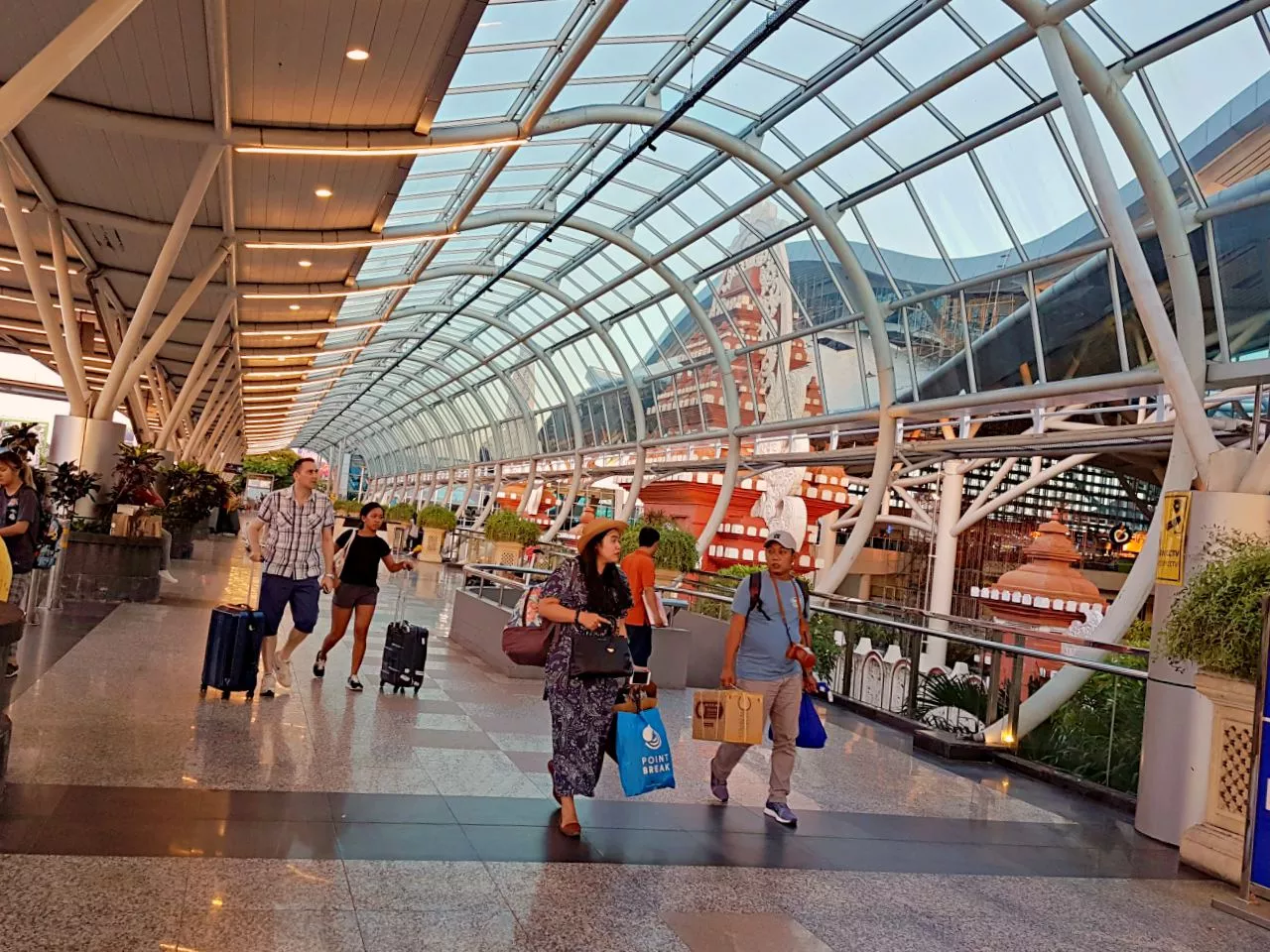
DENPASAR, Bali — I Gusti Ngurah Rai International Airport, Bali’s primary gateway, managed a significant surge in travel over the recent holiday period, handling approximately 1.4 million passengers in just 20 days. The heightened traffic underscores the island’s enduring global appeal as it welcomed a wave of tourists for the year-end festivities.
Official figures from the airport’s 2025/2026 holiday transport command post, active from December 15 to January 3, show a daily average of 70,400 passengers. This represents a 6% increase over the average daily passenger movement recorded from January through November 2025.
“The traffic flow indicates that the return flow has already begun,” said Gede Eka Sandi Asmadi, Head of Communication and Legal Division at Ngurah Rai Airport. The data confirms this shift: on January 3 alone, departures significantly outpaced arrivals, with over 41,700 passengers leaving the island compared to arrivals.
A closer look at the numbers reveals the international market’s robust contribution. Of the total 1.4 million passengers, international travelers accounted for 833,914, while domestic flights served 574,839 passengers. Aircraft movements also saw an 11% rise, averaging 432 flights per day during the peak period.
However, the final count fell short of initial projections, prompting analysis from tourism observers. Tri Wibowo Santoso, Director of the Data and Information Study Circle (Lingkar Studi Data dan Informasi / LSDI), noted that the figure missed earlier forecasts. “This is off from the data previously provided by Bali airport, which estimated 1.5 million visitors starting from December 19, 2025.
This could be an indicator that there is indeed a decline and a change in the holiday patterns of both local and international tourists during the Nataru period, with many choosing other destinations like Yogyakarta and Thailand,” Santoso stated.
This substantial passenger volume, while significant, demonstrates a potential shift in the competitive landscape of Southeast Asian tourism. It reinforces Bali’s status as a major destination while also highlighting evolving traveler preferences as the new year begins.