



































BADUNG, Bali — It began as an ordinary night out.
A 22-year-old Australian tourist had been at a nightlife venue in Seminyak with friends. As she prepared to leave in the early hours of March 24, she realized she had left something behind. She asked a security guard on duty to help her retrieve it.
Moments later, inside a women’s restroom, she was allegedly sexually assaulted, according to police.
The suspect—a 29-year-old security guard employed at the venue—was arrested two days later. The victim has since returned to Australia.
“After the incident, the victim reported it to Denpasar Police,” said Kombes Pol I Gede Adhi Mulyawarman, director of general crimes at Bali Police. “We conducted an investigation and apprehended the suspect.”
The case has drawn renewed attention to concerns about visitor safety in Bali’s nightlife areas—particularly incidents involving individuals in positions typically associated with security.
What Police Say Happened
According to investigators, the victim had exited the venue before realizing she had left an item behind. She approached a security guard for assistance.
He accompanied her back inside and toward the restroom area.
It was there, police say, that the alleged assault took place.
“While inside the women’s restroom, the suspect is alleged to have committed sexual violence against the victim,” Adhi Mulyawarman said.
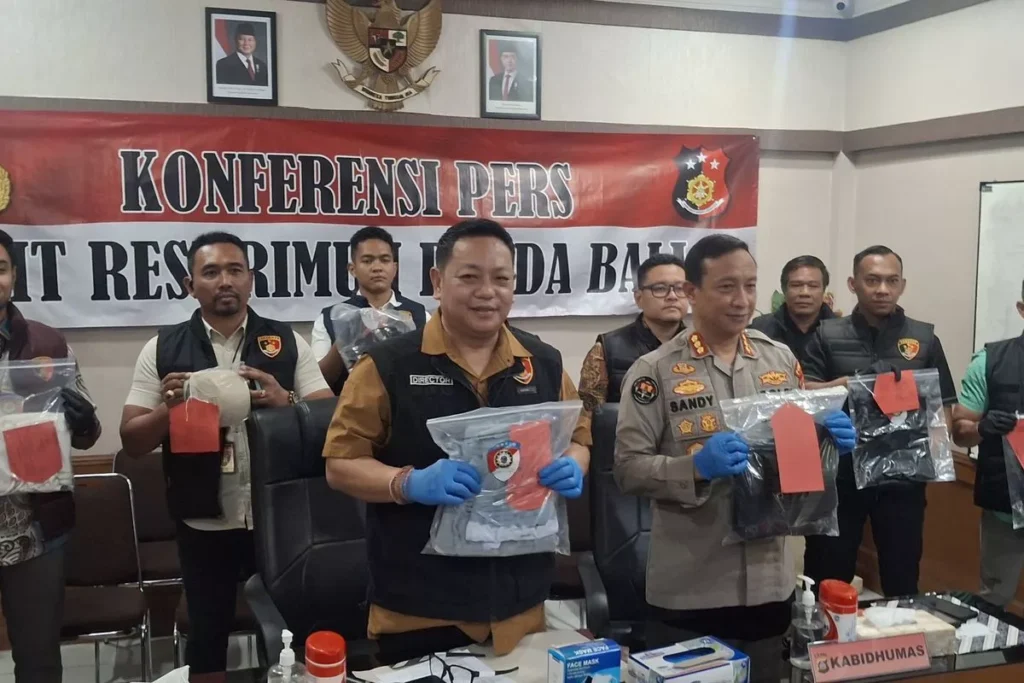
The incident was reported later that same day. Police launched an investigation, collected evidence, and arrested the suspect at his residence in West Denpasar on March 26.
During questioning, police said, the suspect admitted to having intercourse at the scene. Authorities have not disclosed further details about consent or the circumstances surrounding the act.
The Charges
The suspect has been charged under Article 6(a) of Indonesia’s 2022 Law on Sexual Violence, which was introduced to strengthen legal protections for victims and improve prosecution of such crimes.
Police have not said whether the suspect had any prior complaints or whether the venue had a record of similar incidents.
A Second Case in Days
The Seminyak case follows another reported incident just a day earlier.
On March 23, a 22-year-old Chinese tourist reported being sexually assaulted in the Pecatu area after leaving a nightlife venue. That case remains under investigation, and no arrests have been announced.
The proximity of the two cases—involving foreign tourists, late-night settings, and encounters shortly after leaving venues—has raised broader concerns among observers, though authorities have not indicated whether the incidents are connected.
Police have also not released wider data to suggest a broader trend.
The Question of Trust
In the Seminyak case, the suspect was not an unknown presence, but a security guard—someone positioned as a point of assistance.
That detail has sharpened concern.
While most individuals working in Bali’s tourism and hospitality sectors perform their roles professionally, cases involving people in positions of trust can have a wider impact on perceptions of safety.
For visitors, the distinction between familiarity and security is not always clear—particularly in unfamiliar environments.
What Authorities Are Doing
Bali Police say they are treating both cases seriously.
In the Seminyak incident, the suspect was identified and arrested within 48 hours. In the Pecatu case, investigators are continuing efforts to identify the alleged perpetrator.
Authorities have not announced additional measures or changes in oversight for nightlife venues following the incidents.
What Travelers Should Know
For visitors, the cases serve as a reminder of general safety precautions that apply in any travel destination:
Be cautious in late-night environments, especially when venues begin to empty.
Where possible, move with trusted companions.
Exercise judgment when accepting assistance, even from individuals in official roles.
Report incidents promptly to local authorities.
A Wider Reflection
Bali remains one of the world’s most popular travel destinations, with millions of visitors each year experiencing the island without incident.
But cases like these—particularly when they occur in quick succession—can raise difficult questions about safety, oversight, and accountability.
For authorities, the challenge is not only responding to individual cases, but maintaining the systems of trust that tourism depends on.
Because in destinations built on hospitality, safety is not only expected—it is foundational.
The Bottom Line
One suspect is in custody. Another case remains under investigation.
Whether these incidents represent isolated events or signal deeper concerns is not yet clear.
What is clear is this: in environments where visitors rely on unfamiliar systems and people, trust is essential—and when that trust is broken, the impact extends far beyond a single case.















Comments 1