

































BALI, Indonesia — Most visitors arrive in Bali expecting sunshine, beaches, and uninterrupted island living. Few think about the power stations hundreds of kilometers away that quietly keep the lights on across the island.
But a recent disclosure from Indonesia’s Ministry of Energy has raised questions about the long-term reliability of the country’s electricity supply after officials confirmed that state utility PLN is still short approximately 20 million tons of coal needed to operate its coal-fired power plants this year.
While the government insists there is no immediate threat to electricity supply, the revelation comes at a time when concerns about grid reliability have already begun circulating following several power disruptions reported in parts of Java and Bali.
For Bali’s residents, expatriates, digital nomads, hotels, restaurants, and tourism businesses, the news serves as a reminder that energy security remains one of the island’s most overlooked vulnerabilities.
A Gap in the Fuel Supply
According to the Ministry of Energy and Mineral Resources (ESDM), PLN requires approximately 154 million tons of coal annually to operate its power plants.
So far, only around 134 million tons have been secured under existing contracts, leaving a shortfall of roughly 20 million tons.
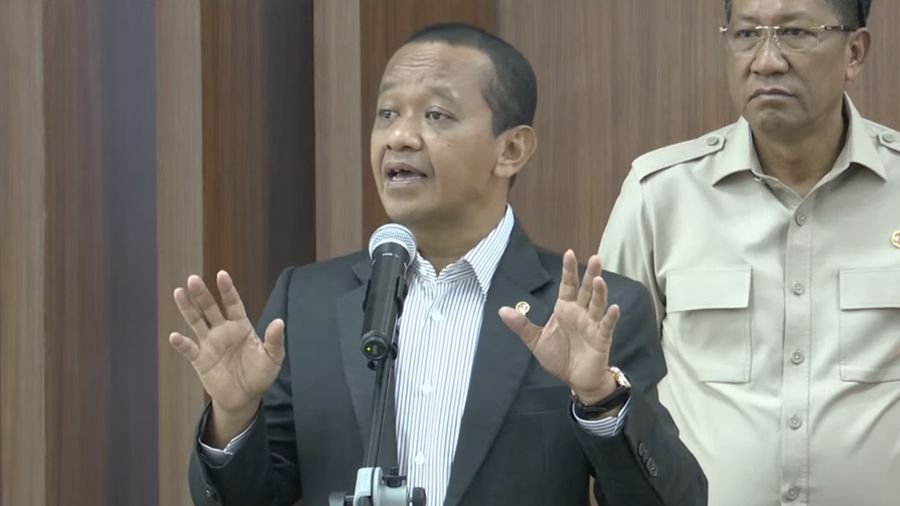
Energy Minister Bahlil Lahadalia has acknowledged the gap and says the government is working with PLN, coal producers, and regulatory agencies to ensure supplies are fulfilled.
Officials remain confident that the deficit can be resolved through adjustments to domestic coal production and Indonesia’s Domestic Market Obligation (DMO) policy, which requires coal miners to prioritize local demand before exports.
In short, the government says there is no reason for the public to panic.
Why Bali Is Paying Attention
For Bali, however, the issue is not merely about coal.
It is about resilience.
The island’s economy depends heavily on reliable electricity. Hotels, beach clubs, restaurants, hospitals, data centers, coworking spaces, and villas all rely on continuous power to serve millions of visitors every year.
Unlike many major cities, Bali’s reputation can be affected quickly when infrastructure problems become visible to tourists.
A widespread outage during peak tourism periods would impact not only local businesses but also visitor confidence.
Many expatriates and remote workers living on the island already consider stable electricity and internet access as essential factors when choosing Bali as a base.
No Immediate Blackout Warning
Importantly, neither PLN nor the Ministry of Energy has announced any plans for rolling blackouts in Bali.
Authorities continue to insist that electricity reserves remain sufficient and that efforts are underway to secure additional coal supplies before shortages affect power generation.
However, energy analysts note that the situation highlights a broader challenge facing Indonesia’s electricity system.
Despite significant growth in renewable energy discussions, much of the country’s power generation still depends on coal-fired plants. When coal supply chains face pressure, the effects can ripple throughout the system.
What Residents and Visitors Can Do
The current situation is not a reason to cancel travel plans or expect imminent blackouts.
But it may be a good reminder to prepare for unexpected disruptions, particularly for those living or working in Bali.
Businesses that depend heavily on electricity should ensure backup generators are functioning properly.
Remote workers may want alternative internet options such as mobile hotspots.
Visitors should keep power banks charged and maintain access to digital copies of travel documents.
These are standard precautions in many tropical destinations and can help minimize inconvenience if disruptions occur.

The Bigger Question
Perhaps the most important issue is not whether Bali will experience a blackout tomorrow.
The bigger question is whether one of the world’s most famous tourism destinations can continue relying on an electricity system that remains heavily dependent on a single fuel source.
For now, government officials say the coal supply gap will be resolved and the lights will stay on.
But the discussion has reignited a debate that extends far beyond coal inventories and power plants.
As Bali continues to position itself as a global destination for tourism, investment, and remote work, energy security may become just as important as airports, roads, and hotels.
Because in a digital economy, paradise runs on electricity.