
























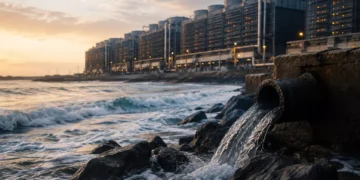



NUSA DUA, Indonesia – Waters surrounding one of Indonesia’s most famous island destinations are approaching what officials describe as “red zone” pollution levels, raising fresh concerns about whether rapid tourism growth is outpacing the environment’s ability to absorb it.
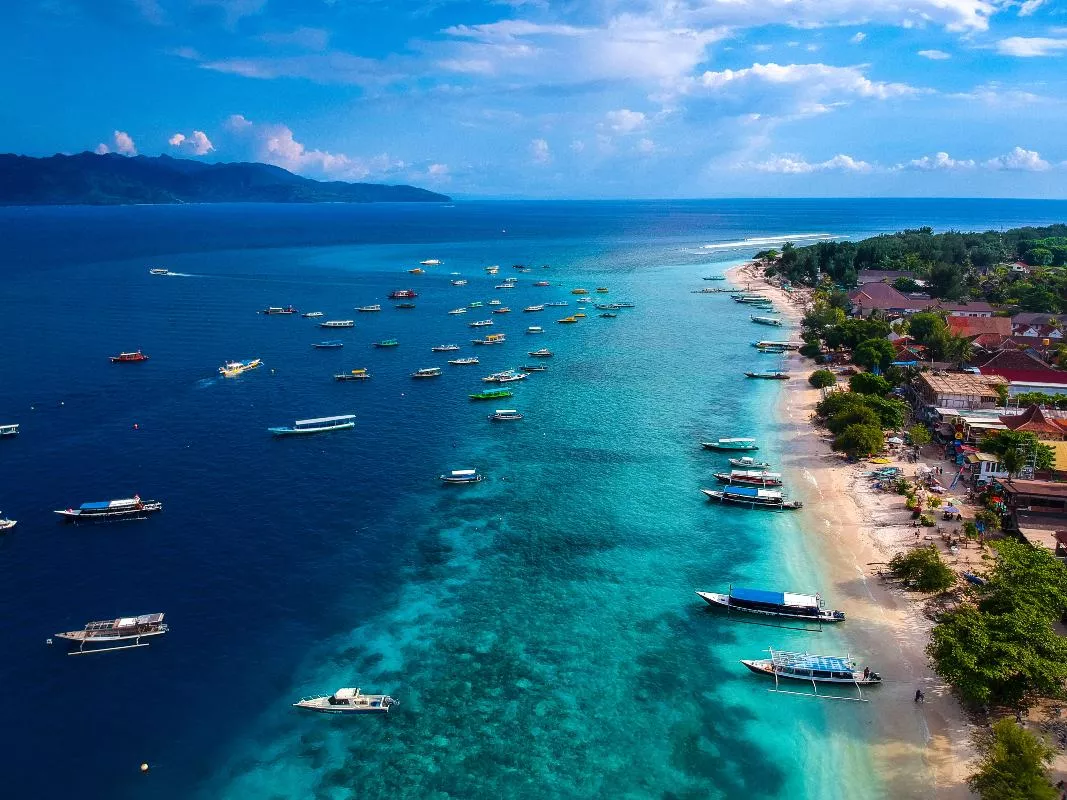
The warning comes after authorities revealed that Escherichia coli (E. coli), bacteria commonly associated with fecal contamination, has been detected in waters around Gili Trawangan, a small island off Lombok known internationally for white sand beaches, sea turtles, and diving tourism.
Officials say the findings come at a time when pollution levels in the area are already nearing dangerous thresholds.
“Gili Trawangan is a marine conservation area. But tourism activity there has become extraordinary and this is disrupting the conservation ecosystem in that region,” said A Koswara, Director General of Marine Management at Indonesia’s Ministry of Marine Affairs and Fisheries, speaking during the World Ocean Day & Coral Triangle Day 2026 event in Nusa Dua on Sunday.
“The level is already approaching red.”
A Conservation Area Under Pressure
For years, Gili Trawangan has balanced two competing identities.
It is both a marine conservation area and one of Indonesia’s busiest island tourism destinations.
That balance, officials now warn, is becoming increasingly difficult to maintain.
According to Koswara, the ministry has already signed agreements with the West Nusa Tenggara provincial government aimed at strengthening waste management systems around the island.
“We have signed an agreement with the provincial government to strengthen waste handling efforts,” he said.
Why Officials Are Concerned
Environmental groups say the significance extends beyond marine ecosystems.
According to Dewi Lestari Yani Rizki, Conservation Director at WWF-Indonesia, pollution levels approaching red zone status suggest impacts may no longer be limited to coral reefs and marine life.
“It means the pollution occurring in the sea is becoming dangerous, not only for marine ecosystems but also for human health,” she said.
Concerns intensified after information emerged regarding the presence of E. coli in surrounding waters.
“I just heard from the Director General that according to research, E. coli has already reached the sea,” Dewi said.
“That is why we need to address this together.”
What Happens Next
WWF-Indonesia says discussions are now underway with government agencies and development partners to determine what interventions may be necessary.
Specific measures regarding marine E. coli contamination have not yet been announced.
For now, authorities have not restricted tourism activities or issued warnings against swimming.
But the message from conservation officials is becoming increasingly clear.
The challenge facing Gili Trawangan is no longer simply how to attract visitors.
It is whether the island can continue absorbing them without damaging the environment that made people want to visit in the first place.