





























LABUAN BAJO, Indonesia —In a quiet courtroom far from the waters where the tragedy unfolded, grief took center stage.
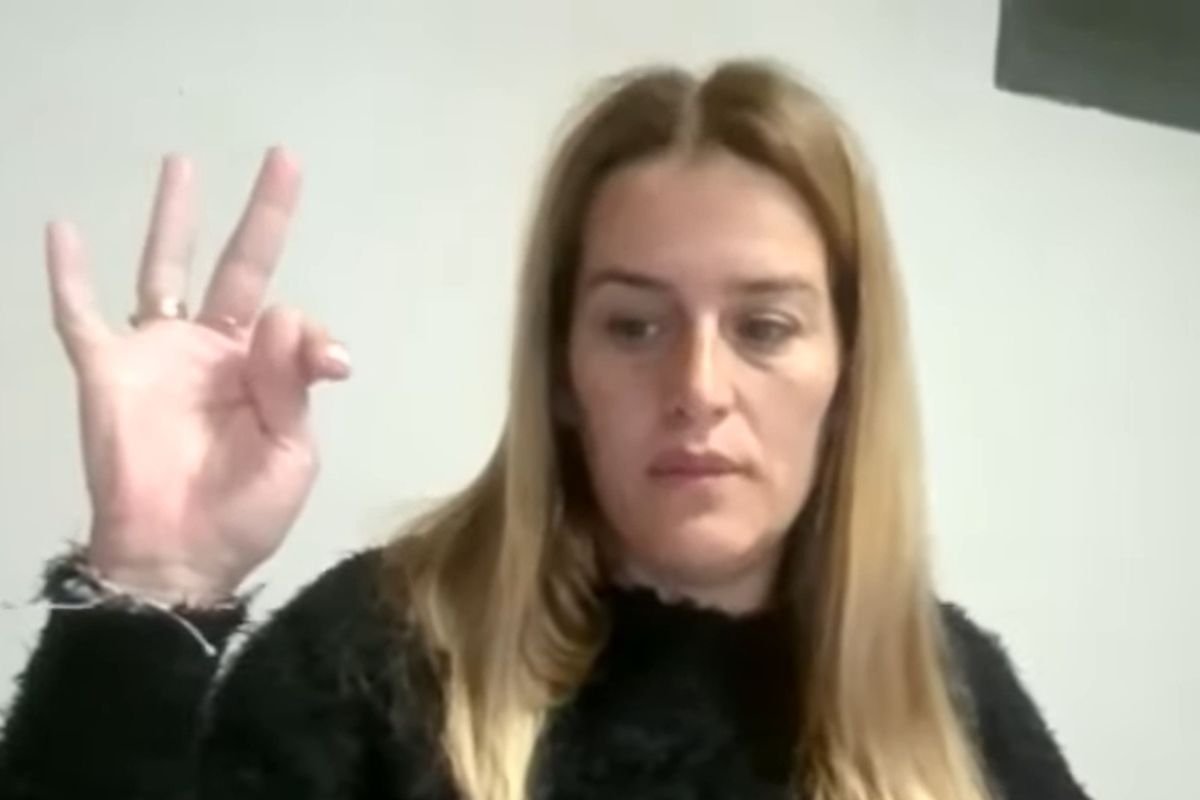
Andrea Ortuño Ripoll, the wife of a Valencia women’s football coach, struggled to hold back tears as she recounted the final moments before a tourist vessel sank in Indonesia’s Komodo waters—an incident that claimed the lives of her husband and three of their children.
Her testimony, delivered remotely from Spain during a court hearing in Labuan Bajo, offered a deeply personal account of a disaster that is now being examined not only as a human tragedy, but as a question of responsibility.
A Testimony Marked by Grief
The hearing, part of an ongoing trial into the sinking of the KM Putri Sakinah, paused as Andrea broke down while answering questions from the presiding judge, Putu Dima Indra.
At one point, the court allowed her a brief moment to compose herself.
She covered her face with both hands, her voice faltering. Beside her, a family member placed a reassuring hand on her shoulder. When she resumed speaking, her answers came through tears.
What she described was not just an accident—but a sequence of moments that, she suggested, unfolded too quickly and without adequate response.

A Divided Cabin, A Divided Fate
On the night of December 26, 2025, Andrea and her youngest child were sleeping in an upper cabin of the traditional wooden vessel as it sailed through the waters near Padar Island in Komodo National Park.
Her husband, Fernando Martin Carreras, along with their three other children, were in separate cabins below.
When the boat was struck by strong waves, chaos followed.
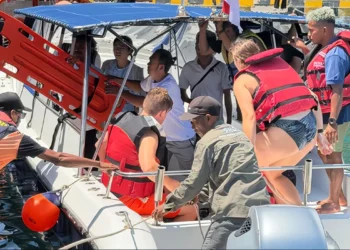
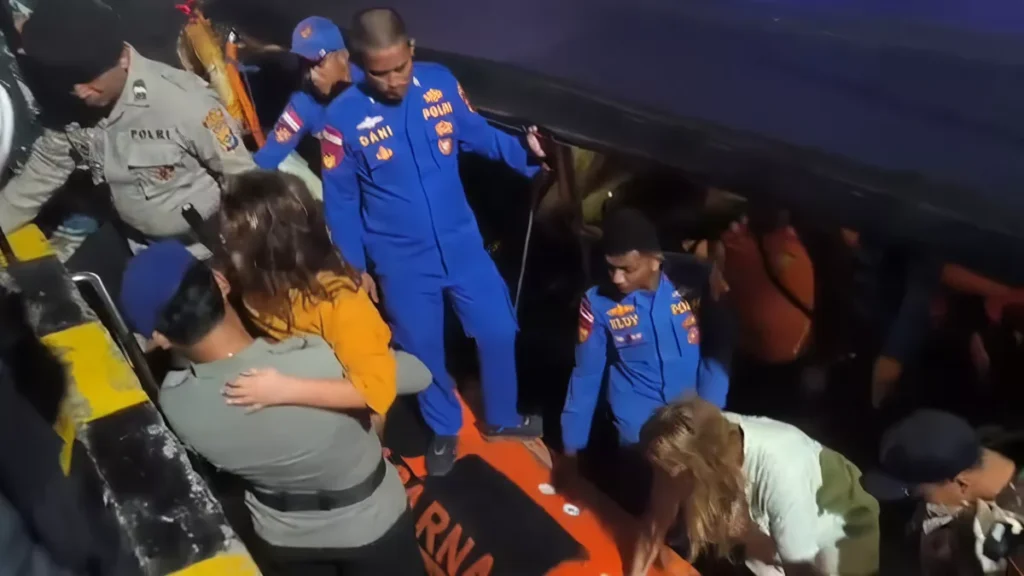
Andrea managed to escape with her youngest child, eventually reaching a lifeboat. But the rest of her family never made it out.
“They were still inside,” she said through an interpreter, referring to her husband and children trapped below deck.
Calls for Help That Went Unanswered
One of the most striking parts of her testimony centered on what she did next.
Andrea said she repeatedly shouted for help—first from inside the vessel, then again after reaching the lifeboat. At that point, she said, part of the boat had already begun to sink.
Her calls, she told the court, were directed at crew members who had already evacuated.
When asked whether there had been any attempt by the crew to rescue those still trapped inside, her answer was direct.
“No,” she said.
According to her account, the crew responded that nothing could be done.
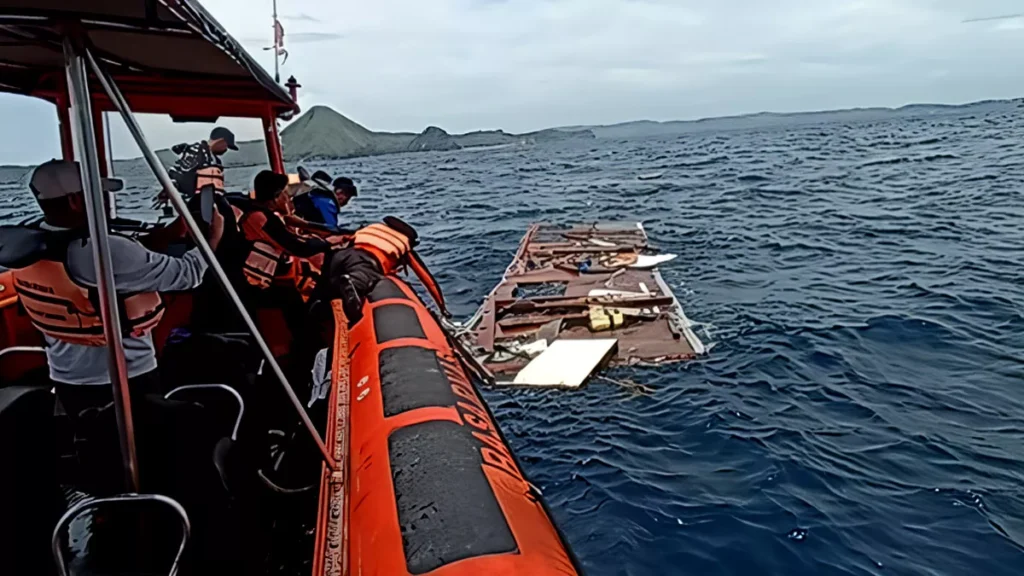
Within minutes, the vessel disappeared beneath the water.
A Case That Extends Beyond One Family
The courtroom proceedings have drawn in a range of witnesses, from maritime officials to weather experts, as the court seeks to establish what led to the sinking—and whether it could have been prevented.
Among those who testified were representatives from Indonesia’s Meteorology Agency and the Labuan Bajo Port Authority, alongside crew members and the vessel’s owner.
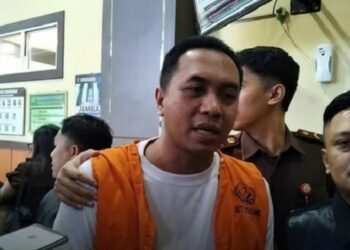
Two defendants now stand trial: the ship’s captain, Lukman, and the chief engineer, Muhamad Alif Latifa N. Djudje. Both have been charged in connection with negligence that allegedly contributed to the deaths.
A Broader Question for Tourism Safety
The tragedy has resonated far beyond the courtroom.
Labuan Bajo, long promoted as a gateway to the Komodo National Park, has become one of Indonesia’s flagship tourism destinations. But as visitor numbers grow, so too do questions about safety standards—particularly in maritime tourism.
For international travelers, the case raises difficult but necessary considerations:
What safety checks are in place?
How prepared are crews for emergencies?
And how quickly can help arrive when something goes wrong at sea?
What Remains
For Andrea, the legal process is unfolding thousands of miles away from where she now lives—but the memory remains immediate.
Her testimony did not attempt to reconstruct every technical detail. Instead, it focused on something more fundamental: what she saw, what she heard, and what she believes did not happen when it mattered most.
In the end, her words left the courtroom with a question that still lingers:
When a disaster unfolds in minutes, what difference can preparation—and responsibility—make?