

































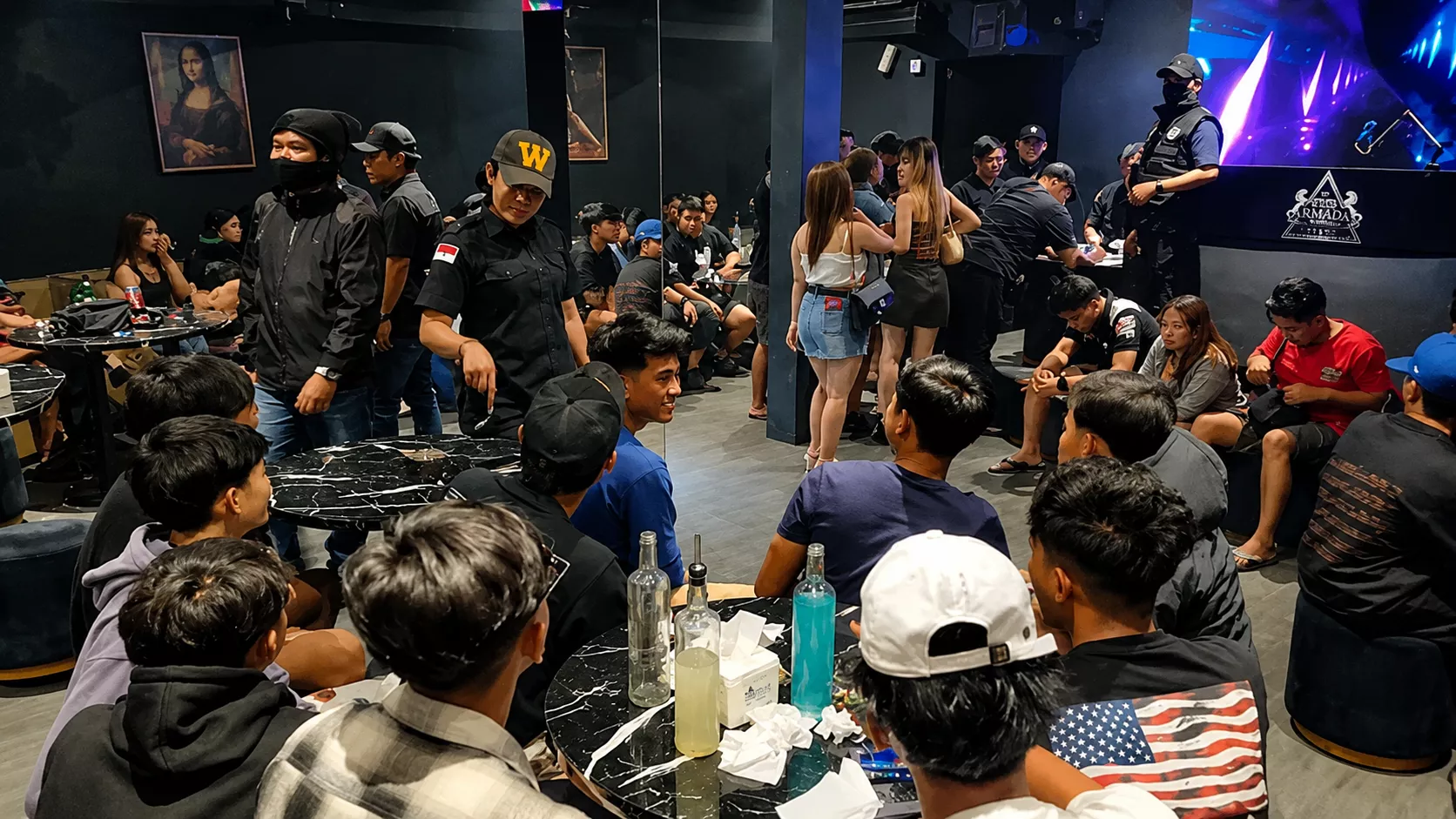
Indonesia’s National Narcotics Agency conducted overnight raids on nightlife venues across Badung and Denpasar early Sunday, July 26, 2026, testing 38 people and finding 23 positive for drug use, though officials confirmed none of those who tested positive were foreign nationals.
The operation, known as Operasi Bersinar, was led directly by Bali’s National Narcotics Agency (BNNP) Chief Brigadier General Putu Putera Sadana, who framed the raids as part of a broader government effort to protect the public from drug-related harm.
Two Locations, Two Very Different Results
Officers began the operation in Tibubeneng, a tourism area in North Kuta, Badung Regency, chosen specifically due to its high volume of foreign tourist activity. “This effort represents the state’s presence in protecting and safeguarding the public from the dangers of narcotics,” Putera said in a statement.
Of 13 people tested through random sampling in Tibubeneng, none tested positive for drugs. Officers also checked the residency permits of foreign nationals present at the scene and found no immigration violations.
Following the Badung operation, officers moved to a nightlife venue in Denpasar described as popular primarily among younger patrons. There, the results were markedly different: of 38 people tested, 23, eight women and 15 men, tested positive for narcotics. No foreign nationals tested positive at either location.
“Based on random urine testing of 38 people, 23 tested positive for narcotics, comprising 8 women and 15 men,” Putera said.
What Happens Next for Those Who Tested Positive
Everyone who tested positive is now undergoing assessment and further evaluation at BNNP Bali’s provincial office. As of this report, authorities have not disclosed which specific substances were detected among the 23 individuals.
A Message to Tourists and Residents
Putera expressed hope that tourists visiting Bali would help maintain public safety and order by avoiding drug use during their stay. He also encouraged residents to remain vigilant and report suspicious activity in their communities.
“Tourism in Bali should benefit the welfare of the community, not disrupt the presence and role of the Balinese people,” he said.
Why This Result Matters for Bali’s International Community
For expats and travelers who might assume Bali’s nightlife drug enforcement disproportionately targets foreign visitors, this particular raid tells a different story: all 23 individuals who tested positive were Indonesian nationals, while the foreign tourists tested in a specifically targeted tourism zone came back entirely clean. That distinction is worth noting given how frequently drug-related arrests involving foreigners in Bali attract international media coverage, a pattern that can create a skewed perception of where and among whom drug use is actually concentrated on the island.
That said, the raids serve as a clear reminder that Indonesia’s drug laws apply uniformly regardless of nationality, and BNN’s continued operations across both tourist and local nightlife venues signal that enforcement remains active and unpredictable, whether a venue is known for attracting international visitors or, as in this case, primarily local patrons.