


































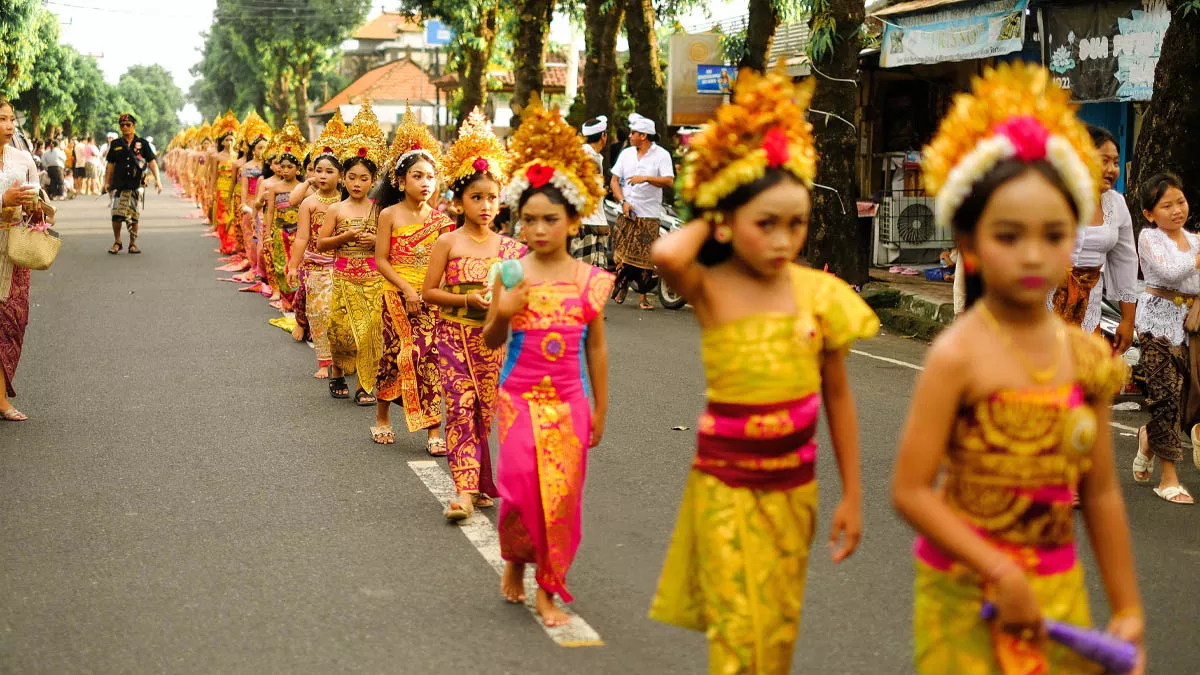
Udayana University says Bali’s future depends not only on attracting visitors, but also on educating the people who will shape the island’s next chapter.
DENPASAR, Bali – For decades, Bali has introduced Indonesia to the world through its beaches, temples and rich cultural traditions.
Now, one of the island’s leading universities believes it is time for Bali to be recognised for something else as well: education.
Speaking during a media discussion in Denpasar, Udayana University Rector Professor I Ketut Sudarsana said Bali’s international reputation gives the island an opportunity—and a responsibility—to showcase the quality of Indonesian higher education to the world.
“Bali is Indonesia’s showcase. Many international visitors who come to Bali also want to see what Indonesian universities look like. Udayana University must demonstrate the quality of Indonesian higher education to the world,” Sudarsana said.
His vision extends beyond attracting international students.
Instead, Sudarsana sees Bali as a place where education, culture and innovation can come together, offering international universities a different model of academic collaboration rooted in local wisdom.
“We invite universities and educational institutions around the world to collaborate with Udayana University. We have strong academic resources, a strategic location, and an educational philosophy based on Tri Hita Karana,” he said.
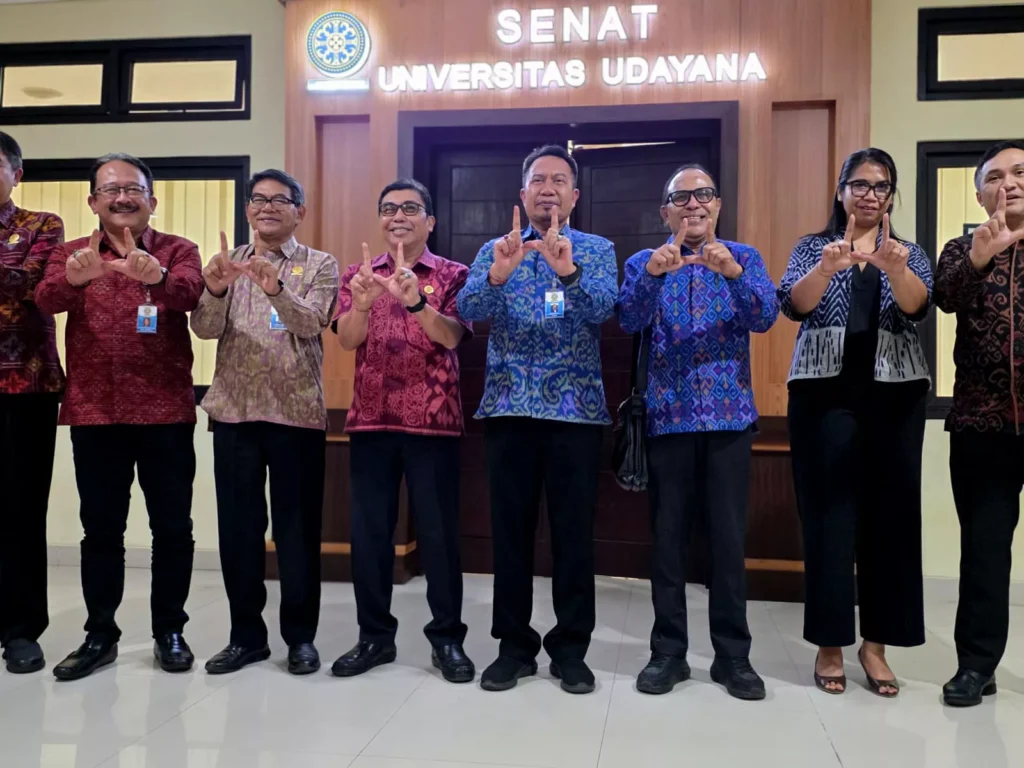
Unlike many universities competing primarily through rankings or research output, Udayana is positioning Tri Hita Karana—the Balinese philosophy of harmony between people, nature and the spiritual world—as a foundation for education and international partnerships. According to Sudarsana, the philosophy has become an integral part of how the university develops future leaders.
The university is also investing heavily in technology.
Its upcoming Smart System Integrated & Technologies (L-SSIT) laboratory is designed to support research in artificial intelligence, advanced computing, digital innovation and startup incubation. University leaders say the facility will not simply provide technology infrastructure but also encourage students to develop technology-driven businesses and entrepreneurial projects.
“We are preparing human resources who understand technology and the development of artificial intelligence. We hope to see technology-based startups and graduates who can contribute to Bali’s future development,” Sudarsana said.
Alongside technology, Udayana is expanding access to higher education through Bali’s One Family, One Graduate (SKSS) scholarship programme, which helps students from lower-income families pursue university education. The university says every undergraduate programme, including Medicine, is open to scholarship recipients who meet the eligibility requirements.
The university is also placing renewed emphasis on cultural heritage.
Following questions from journalists about the new King Udayana Monument, Sudarsana revealed plans to create a dedicated exhibition space and museum telling the story of King Udayana, the 10th-century Balinese ruler after whom the university is named. The space is expected to feature historical displays, paintings, dioramas and the university’s own history, helping both local residents and international visitors better understand one of Bali’s most influential historical figures.
For many international visitors, Bali is often seen primarily as a holiday destination.
Sudarsana believes the island has an opportunity to present a broader identity—one where tourism remains important, but is supported by world-class education, innovation and a strong cultural foundation.
If Bali has spent decades welcoming the world through tourism, Udayana University hopes it can increasingly welcome the world through knowledge as well.