

























One of Bali’s most iconic volcanic lakes is once again experiencing a dramatic natural phenomenon that has killed at least 25 metric tons of farmed fish this week, highlighting the delicate relationship between the island’s volcanic landscape and the communities that depend on it.
Authorities say the incident at Lake Batur in Kintamani is not the result of pollution or industrial contamination, but a recurring seasonal sulfur upwelling, locally known as upwelling, that periodically brings oxygen-poor, sulfur-rich water from the bottom of the volcanic lake to the surface.
For visitors planning to explore the cool mountain region north of Ubud, officials stress that the event is primarily affecting fish farming operations rather than tourism, although travelers may notice dead fish being removed from parts of the lake over the coming days.
Why Thousands of Fish Suddenly Died
According to Bangli Regency’s Agriculture, Food Security and Fisheries Agency, preliminary reports show approximately 25 tons of tilapia and other freshwater fish have died since July 20.
The losses have so far been reported mainly from floating fish cages in Dukuh Abang, Songan Village, one of the lake’s largest aquaculture areas.
“The reported fish mortality currently stands at 25 tons from Dukuh Abang in Songan. The mass deaths began on July 20 as a result of the sulfur eruption phenomenon,” said fisheries division head I Wayan Agus Wirawan on Thursday.
Officials believe the true figure could be considerably higher because many fish farmers have not yet returned to inspect their floating cages while conditions remain unstable.
“Most farmers are still waiting for the situation to improve before going back to assess the damage,” Agus said.
A Volcanic Lake That Changes With the Seasons
Unlike sudden environmental disasters, sulfur eruptions at Lake Batur are part of a natural cycle tied to the lake’s volcanic origin and seasonal weather.
During Bali’s cooler months, generally between June and August, changes in water temperature and wind patterns can cause deep water containing sulfur compounds and very little dissolved oxygen to rise rapidly toward the surface.
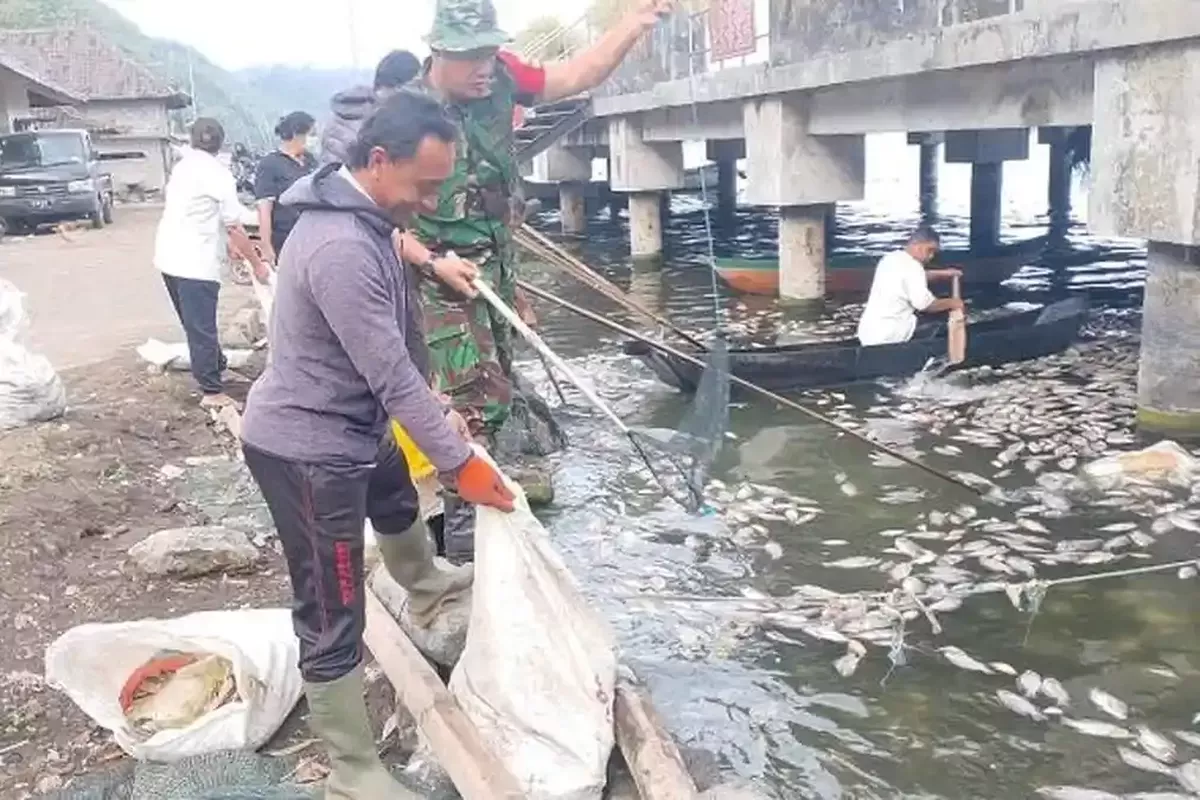
Fish trapped inside floating cages cannot escape these oxygen-depleted waters, often leading to mass die-offs within hours.
Because the phenomenon is predictable, Bangli’s local government issues annual advisories urging fish farmers not to stock new fingerlings during the highest-risk months and, whenever possible, harvest mature fish earlier to reduce potential losses.
An Expensive Annual Challenge
The event has become one of the biggest recurring threats to Lake Batur’s aquaculture industry.
A similar sulfur upwelling in 2025 killed an estimated 70 tons of tilapia and Nile tilapia, causing economic losses of around Rp2.1 billion (approximately US$130,000 at today’s exchange rates).
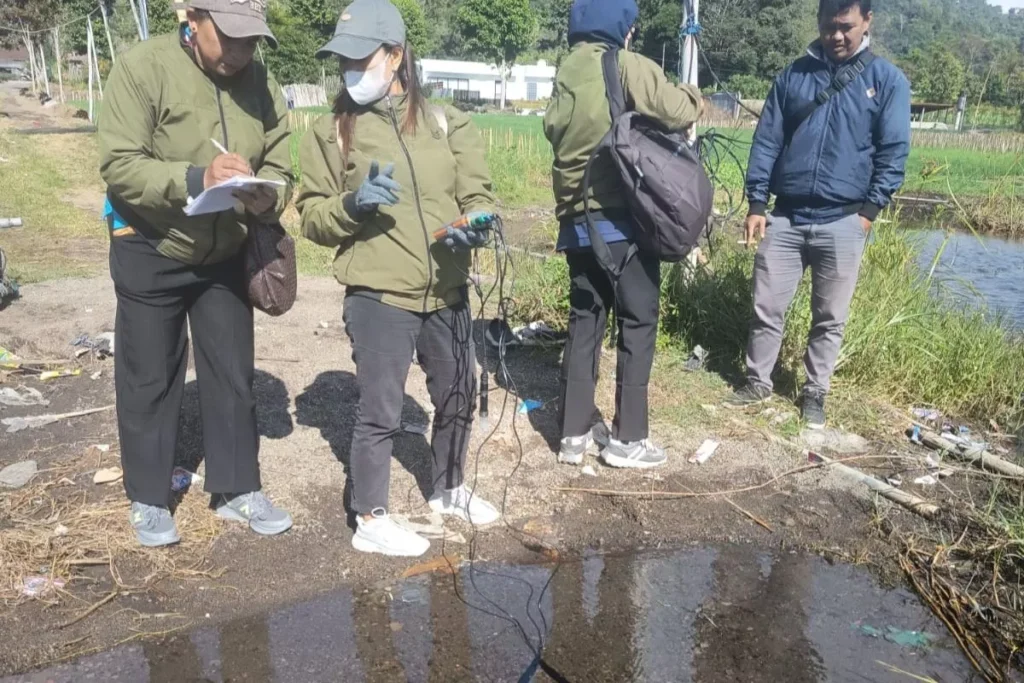
Beyond the financial impact, decomposing fish created a strong odor around nearby villages and prompted a large-scale cleanup involving local government agencies, the Indonesian military, environmental authorities, volunteers, and residents.
After last year’s event subsided, Bangli authorities attempted to restore the lake’s ecosystem by releasing 20,000 fish fingerlings into Lake Batur as part of a broader restocking program covering rivers and public waterways across the regency.
What Visitors Should Know
Lake Batur remains one of Bali’s most popular highland destinations, attracting visitors for sunrise hikes on Mount Batur, lakeside cafés, hot springs, and panoramic volcanic scenery.
Authorities have not announced any closure of tourist attractions or restrictions on visitors.
Travelers may, however, encounter cleanup operations around some fish farming areas while local communities work to remove dead fish from the lake.
For residents of Kintamani, the annual sulfur upwelling serves as a reminder that Bali’s volcanic landscape continues to shape everyday life. The same geological forces that created one of Indonesia’s most spectacular crater lakes also bring recurring natural challenges that local communities have learned to anticipate, but can never entirely avoid.